

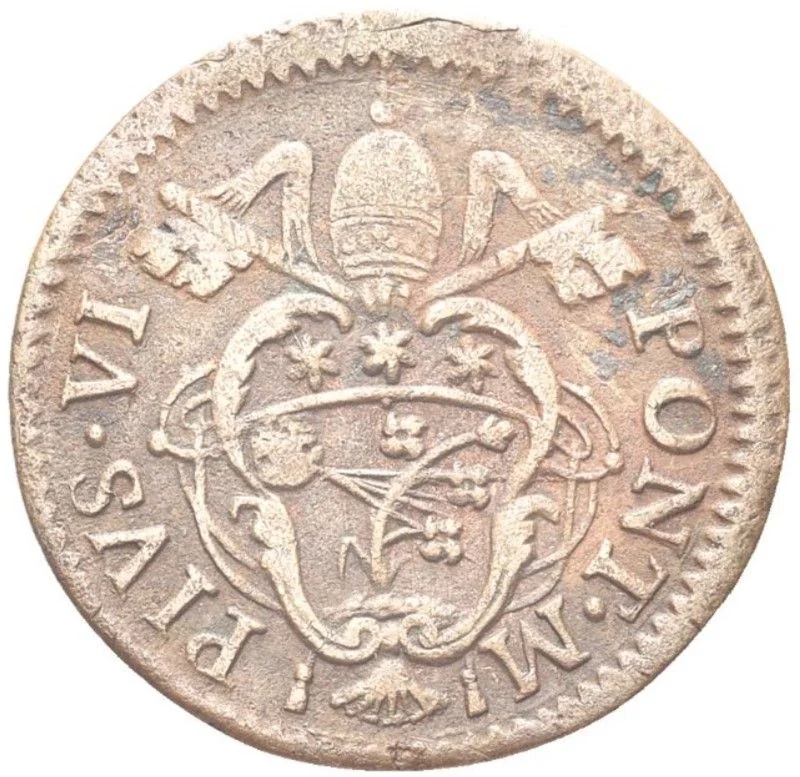
1 quattrino – Bologna
Add to wishlist
Italy
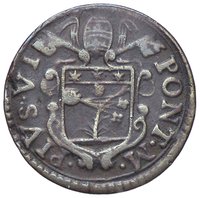
Obverse
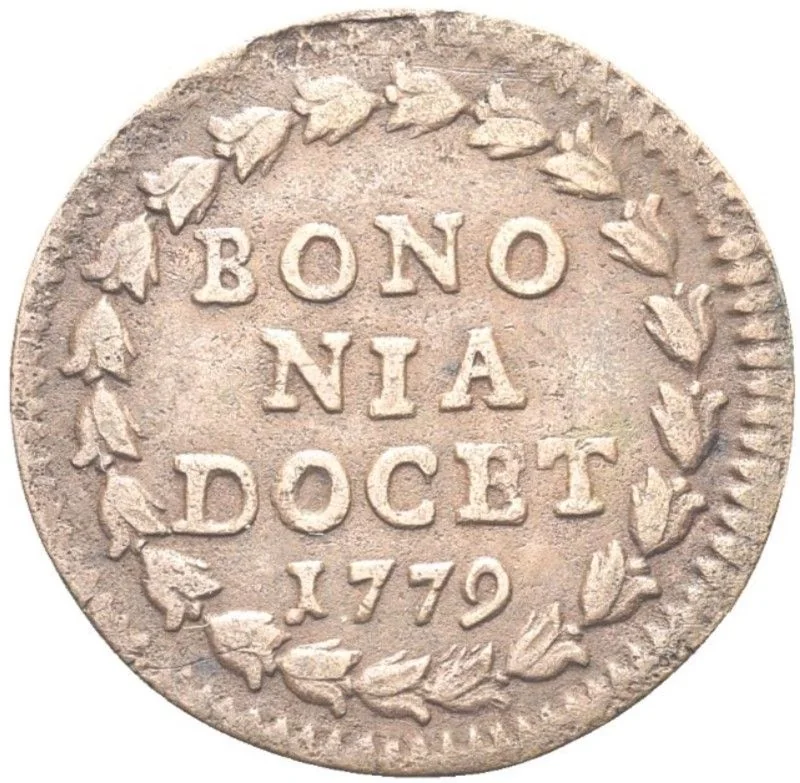
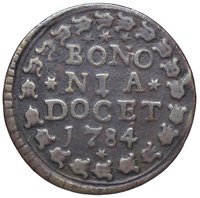
Reverse
Description:
Inscription, date encircled by thistle leaves.
Inscription:
BONO
NIA
DOCET
1779
NIA
DOCET
1779
Script: Latin
Edge
Plain
Mints
| Name | Mark |
|---|---|
| Bologna | — |
Mintings
| Year | Mint Mark | Mintage | Quality | Collection |
|---|---|---|---|---|
| 1779 | — | — | ||
| 1784 | — | — |
Historical background
In 1779, Bologna operated within the complex monetary landscape of the Papal States, to which it belonged. The official currency was the Papal scudo, divided into 100 baiochi or 500 quattrini. However, the city's position as a major commercial and academic hub meant a multitude of foreign coins circulated daily, including Tuscan fiorini, Venetian ducats, and various French and Austrian specie. This created a constant challenge of exchange and valuation, as the intrinsic metal value of these coins often differed from their notional legal worth, leading to frequent disputes and the need for money changers (banchi di cambio) at markets and fairs.
The local economy also relied heavily on a system of "ghost money" or moneta di conto—the lira bolognese—which was not a physical coin but an accounting unit used for contracts, bookkeeping, and pricing. Transactions were often denominated in lire, soldi, and denari, but actual payment was made in a mix of physical scudi and foreign coins, requiring a mental calculation against an unstable exchange matrix. This duality between the stable accounting lira and the fluctuating metallic coins in hand was a defining feature of daily commerce.
Furthermore, the Papal monetary authorities in Rome struggled with debasement and shortages of small change, problems felt acutely in Bologna. This scarcity of low-denomination coins for everyday purchases like bread or wine hampered the functioning of the retail economy and the wages of laborers. Consequently, there were persistent calls from Bologna's powerful Senate and merchant guilds for greater monetary stability and autonomy, reflecting a tension between the city's practical economic needs and the centralized, often inconsistent, fiscal policies emanating from Rome.
The local economy also relied heavily on a system of "ghost money" or moneta di conto—the lira bolognese—which was not a physical coin but an accounting unit used for contracts, bookkeeping, and pricing. Transactions were often denominated in lire, soldi, and denari, but actual payment was made in a mix of physical scudi and foreign coins, requiring a mental calculation against an unstable exchange matrix. This duality between the stable accounting lira and the fluctuating metallic coins in hand was a defining feature of daily commerce.
Furthermore, the Papal monetary authorities in Rome struggled with debasement and shortages of small change, problems felt acutely in Bologna. This scarcity of low-denomination coins for everyday purchases like bread or wine hampered the functioning of the retail economy and the wages of laborers. Consequently, there were persistent calls from Bologna's powerful Senate and merchant guilds for greater monetary stability and autonomy, reflecting a tension between the city's practical economic needs and the centralized, often inconsistent, fiscal policies emanating from Rome.
💎 Extremely Rare