

1 Guinea – England
United Kingdom
Context
Years: 1674–1684
Country: United Kingdom 
Issuer: England 
Ruler: Charles II
Currency:
(1158—1970)
Demonetized: Yes
Material
References
KM: #Click to copy to clipboard440.2
Numista: #53754
Value
Bullion value: $1280.83
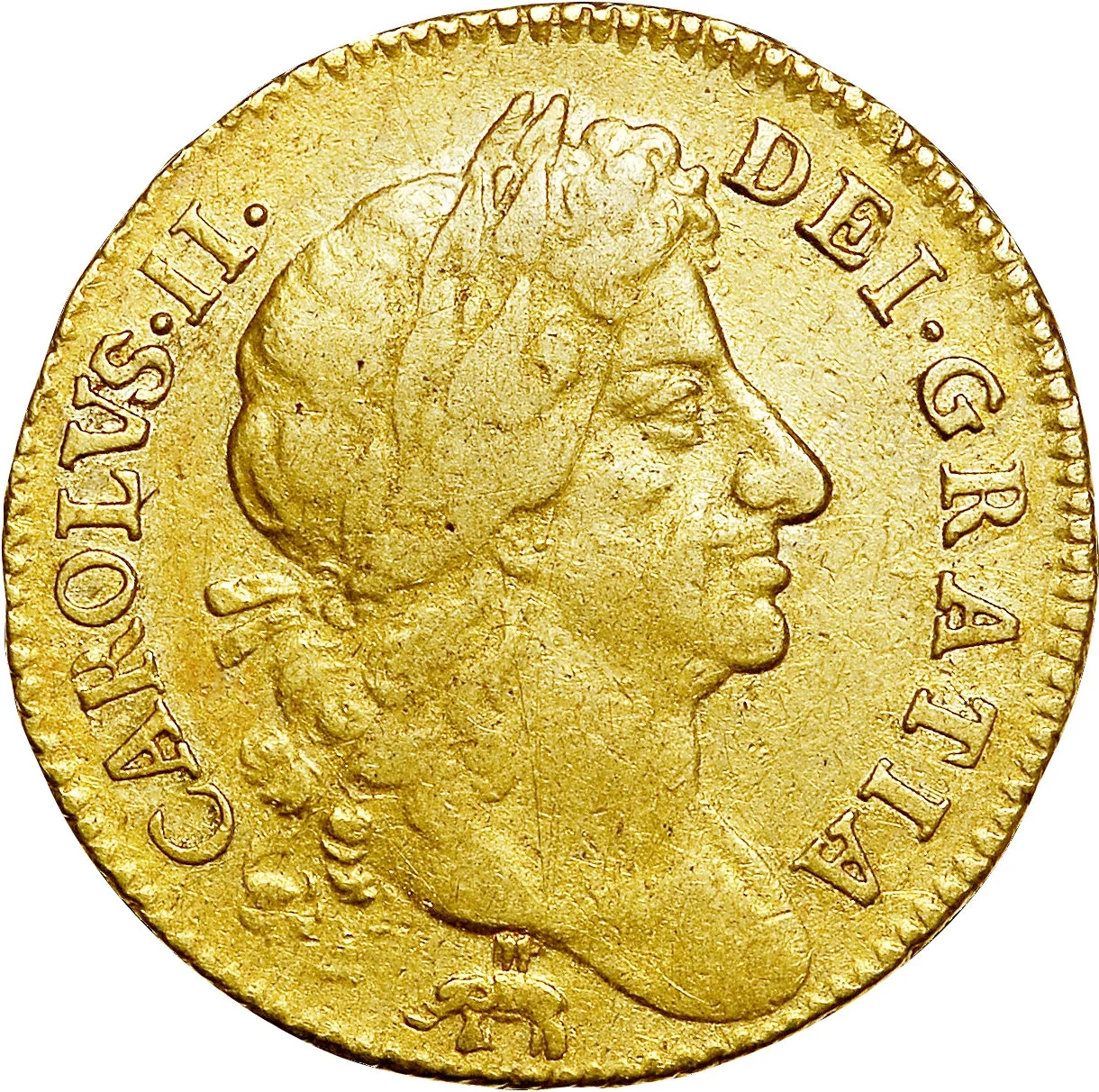
Obverse
Description:
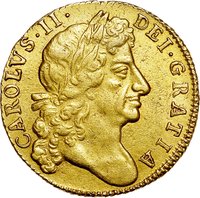
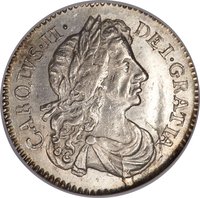
King Charles II bust with surrounding legend, elephant & castle below.
Inscription:
CAROLVS·II· DEI·GRATIA
Script: Latin
Engraver: John Roettier
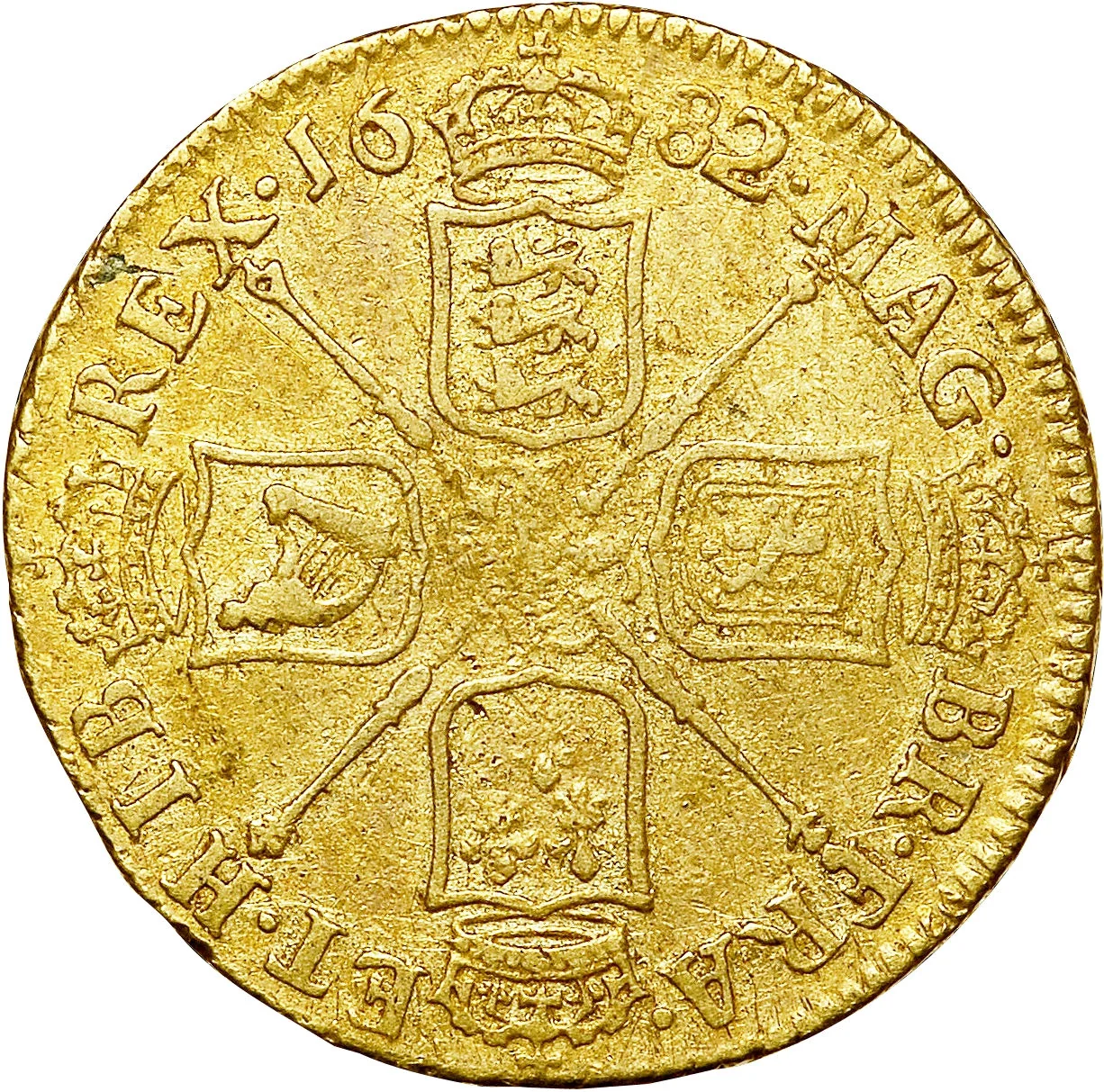
Reverse
Description:
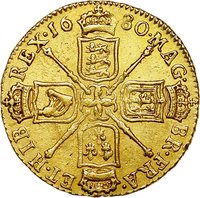
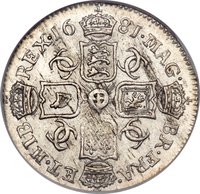
Crowned shields and interlinked C's flanked by sceptres, date above, legend around.
Inscription:
MAG· BR·FRA· ET·HIB· REX·1682·
Script: Latin
Engraver: John Roettier
Edge
Milled
Categories
| Symbols> Coat of Arms |
| Symbol> Cross |
| Animal> Feline |
| Animal> Elephant |
| Building> Castle or fortification |
Mintings
| Year | Mint Mark | Mintage | Quality | Collection |
|---|---|---|---|---|
| 1674 | — | — | ||
| 1675 | — | — | ||
| 1676 | — | — | ||
| 1677 | — | — | ||
| 1678 | — | — | ||
| 1679 | — | — | ||
| 1680 | — | — | ||
| 1681 | — | — | ||
| 1682 | — | — | ||
| 1683 | — | — | ||
| 1684 | — | — |
Historical background
In 1674, England operated under a bimetallic monetary system, with both silver and gold coins serving as legal tender. The foundation was the silver penny, with 240 pennies minted from one Tower Pound of sterling silver, establishing the "pound sterling." The principal silver coins in circulation were the crown (5 shillings), half-crown, shilling, and sixpence. Gold coins, like the guinea—first minted in 1663 from gold sourced by the Royal African Company—had a variable market value initially set at 20 shillings but was already trading higher due to the metal's relative value.
This system was under significant strain. A critical problem was the widespread clipping and counterfeiting of silver coins, which eroded public trust. Clippers would shave small amounts of precious metal from the edges of coins, melting the clippings down for profit, leaving underweight and degraded currency in circulation. While the new machine-made "milled" coins with inscribed edges, introduced after the Restoration, were harder to tamper with, they were not yet produced in sufficient quantity to replace the old, vulnerable hammered coinage. This led to Gresham's Law in action: good, full-weight coins were hoarded or exported, while bad, lightweight coins dominated everyday transactions.
The situation created economic friction, particularly for domestic trade and tax collection, as the value of the physical currency was unreliable. Furthermore, the rising market value of the gold guinea against the silver standard hinted at a deeper imbalance in the official mint ratios between the two metals. These monetary weaknesses, largely unaddressed in 1674, would culminate two decades later in a full-blown crisis, forcing the Great Recoinage of 1696 under the guidance of Sir Isaac Newton, then Warden of the Mint.
This system was under significant strain. A critical problem was the widespread clipping and counterfeiting of silver coins, which eroded public trust. Clippers would shave small amounts of precious metal from the edges of coins, melting the clippings down for profit, leaving underweight and degraded currency in circulation. While the new machine-made "milled" coins with inscribed edges, introduced after the Restoration, were harder to tamper with, they were not yet produced in sufficient quantity to replace the old, vulnerable hammered coinage. This led to Gresham's Law in action: good, full-weight coins were hoarded or exported, while bad, lightweight coins dominated everyday transactions.
The situation created economic friction, particularly for domestic trade and tax collection, as the value of the physical currency was unreliable. Furthermore, the rising market value of the gold guinea against the silver standard hinted at a deeper imbalance in the official mint ratios between the two metals. These monetary weaknesses, largely unaddressed in 1674, would culminate two decades later in a full-blown crisis, forcing the Great Recoinage of 1696 under the guidance of Sir Isaac Newton, then Warden of the Mint.
✨ Legendary