

200 dirhams – Morocco
Add to wishlist
Non-circulating coins
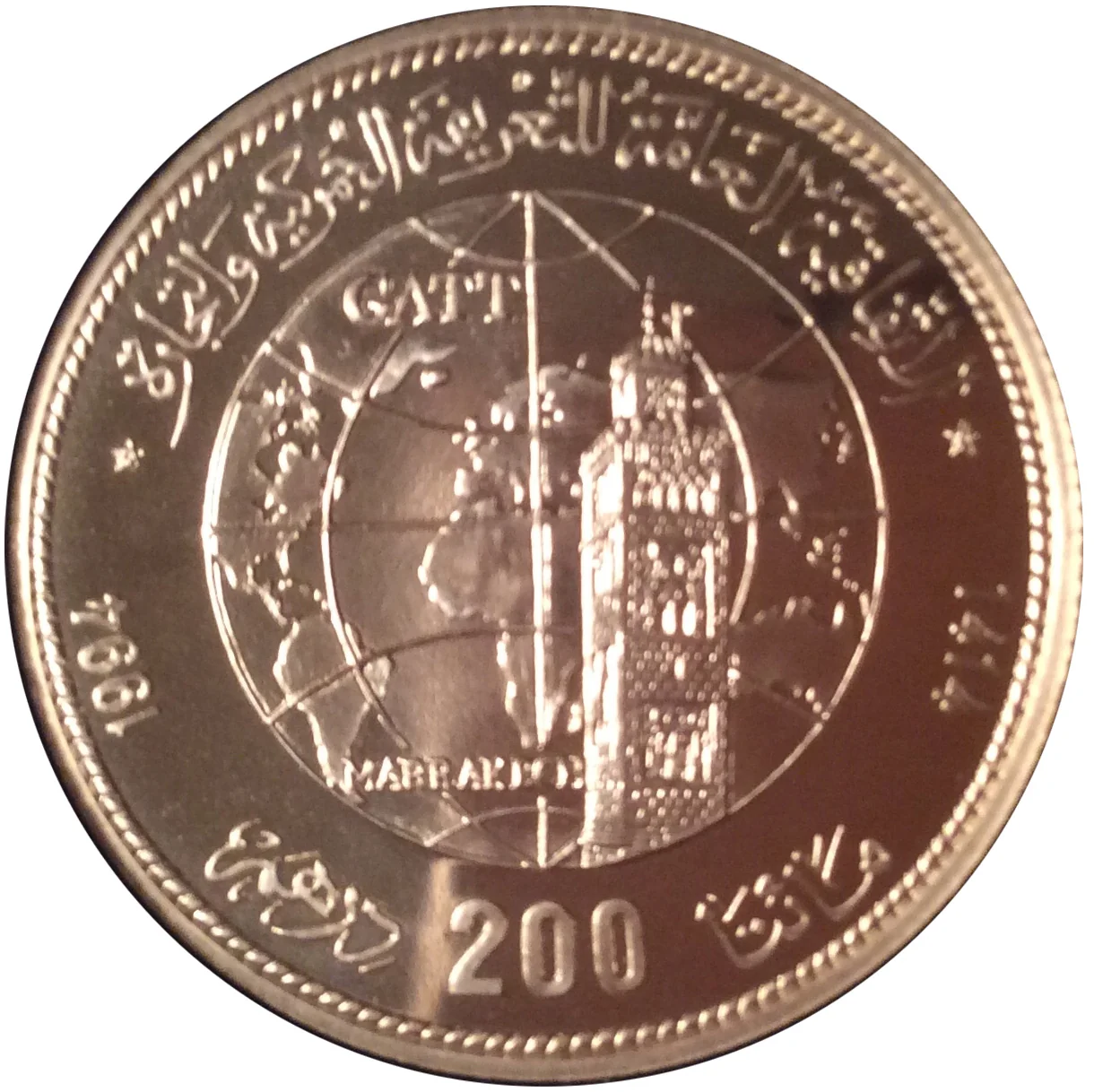
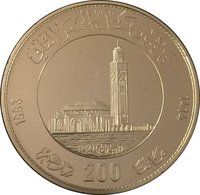
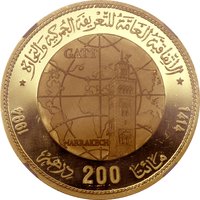
Commemoration: General Agreement on Tariffs and Trade (GATT)
Morocco
Context
Year: 1994
Islamic (Hijri) Year:: 1414
Issuer: Morocco
Ruler: Hassan II
Currency:
(since 1960)
Total mintage: 2,300
Material
References
Y: #
Numista: #119049
Value
Exchange value: 200 MAD
Bullion value: $34.59
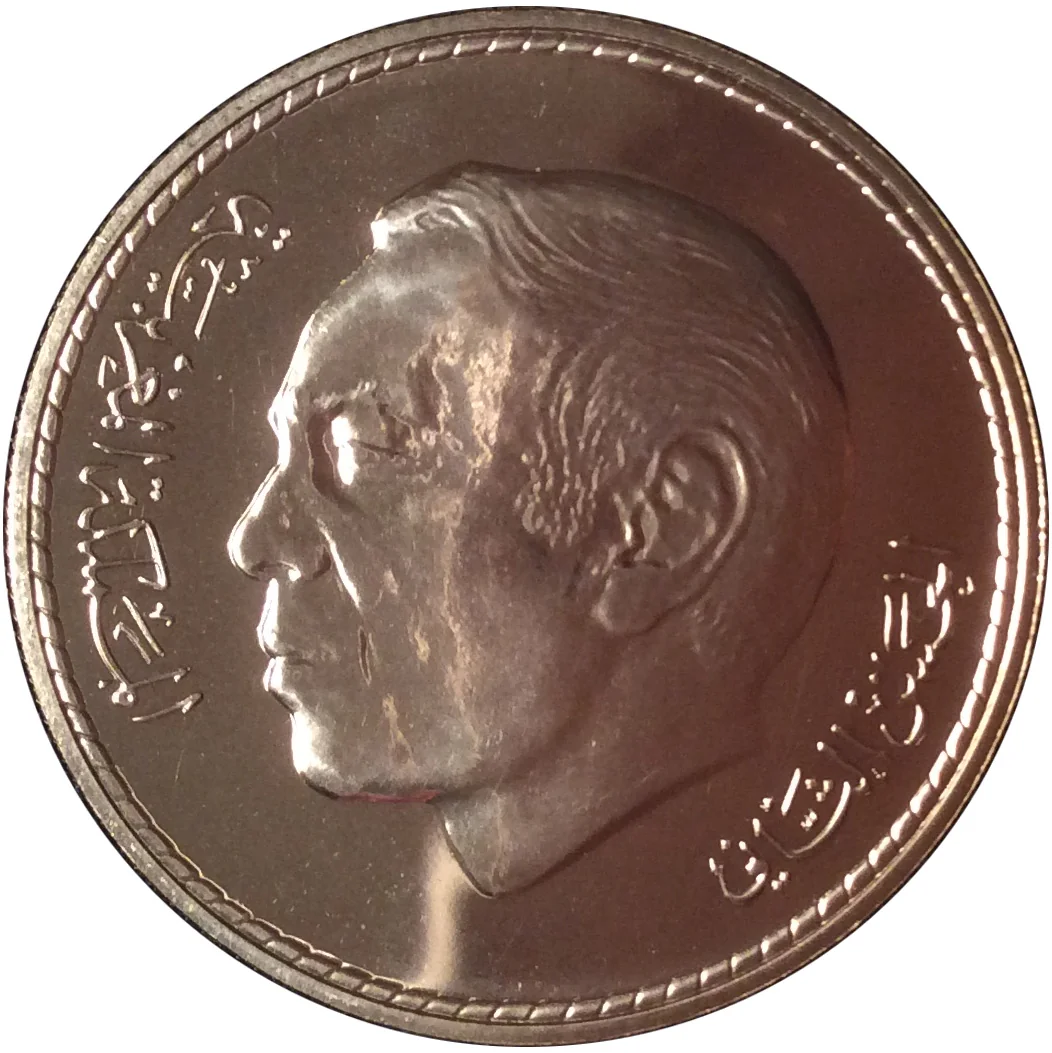
Obverse
Description:
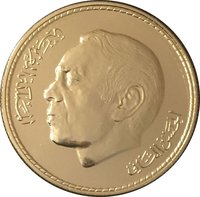
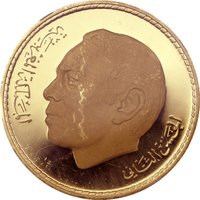
King Hassan II, left-facing portrait.
Inscription:
الحسن الثاني
المملكة المغربية
المملكة المغربية
Translation:
Hassan II
Kingdom of Morocco
Kingdom of Morocco
Language: Arabic
Engraver: David Wynne
Reverse
Edge
Reeded
Mintings
| Year | Mint Mark | Mintage | Quality | Collection |
|---|---|---|---|---|
| 1994 | — | 2,000 | ||
| 1994 | — | 300 | Proof |
Historical background
In 1994, Morocco's currency situation was defined by a pivotal shift in exchange rate policy. After years of maintaining a fixed peg to a basket of currencies, the government, under pressure from the International Monetary Fund (IMF) and facing persistent trade deficits, introduced a limited float. In May 1994, the dirham was devalued by approximately 9% and its trading band was widened from 0.3% to 2.5% against the basket. This move was a significant, though cautious, step toward greater exchange rate flexibility, aimed at boosting export competitiveness and correcting external imbalances without triggering runaway inflation or severe market instability.
The broader economic context was one of structural adjustment. Morocco had embarked on an IMF-supported stabilization program in the early 1990s, which included fiscal austerity, trade liberalization, and financial sector reforms. The 1994 currency adjustment was a core component of this strategy, intended to address a widening current account deficit exacerbated by a severe drought that hit agricultural production—a key economic sector. The devaluation sought to make Moroccan exports cheaper and imports more expensive, thereby encouraging local industry and conserving foreign reserves.
The results of this policy shift were mixed in the short term. While the devaluation provided some relief for exporters and helped narrow the trade gap, it also increased the cost of servicing Morocco's substantial external debt, which was denominated in foreign currencies. The move signaled the government's commitment to economic reform and was seen as a precursor to deeper financial liberalization. However, it also underscored the challenges of managing currency stability in an economy vulnerable to climatic shocks and dependent on imports for essential goods like energy and food.
The broader economic context was one of structural adjustment. Morocco had embarked on an IMF-supported stabilization program in the early 1990s, which included fiscal austerity, trade liberalization, and financial sector reforms. The 1994 currency adjustment was a core component of this strategy, intended to address a widening current account deficit exacerbated by a severe drought that hit agricultural production—a key economic sector. The devaluation sought to make Moroccan exports cheaper and imports more expensive, thereby encouraging local industry and conserving foreign reserves.
The results of this policy shift were mixed in the short term. While the devaluation provided some relief for exporters and helped narrow the trade gap, it also increased the cost of servicing Morocco's substantial external debt, which was denominated in foreign currencies. The move signaled the government's commitment to economic reform and was seen as a precursor to deeper financial liberalization. However, it also underscored the challenges of managing currency stability in an economy vulnerable to climatic shocks and dependent on imports for essential goods like energy and food.
✨ Legendary