

1 Farthing – England
United Kingdom
Context
Years: 1684–1687
Country: United Kingdom 
Issuer: England 
Ruler: James II
Currency:
(1158—1970)
Demonetization: 31 December 1869
Material
References
KM: #Click to copy to clipboard447
Numista: #53614
Obverse
Description:
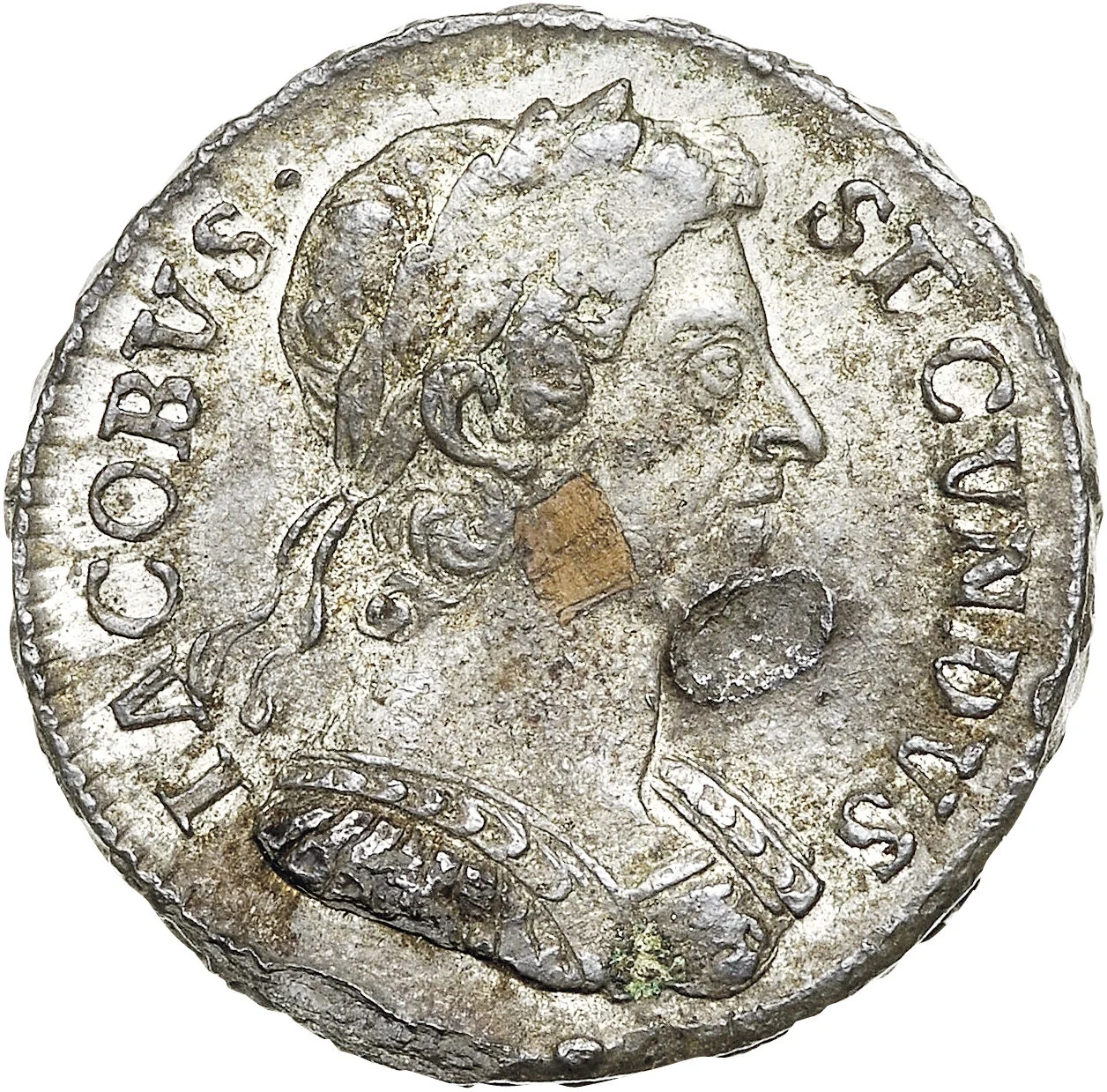
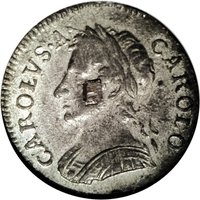
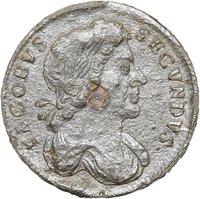
Laureate, cuirassed bust of James II right, legend surrounding.
Inscription:
IACOBVS SECVNDVS
Script: Latin
Reverse
Description:
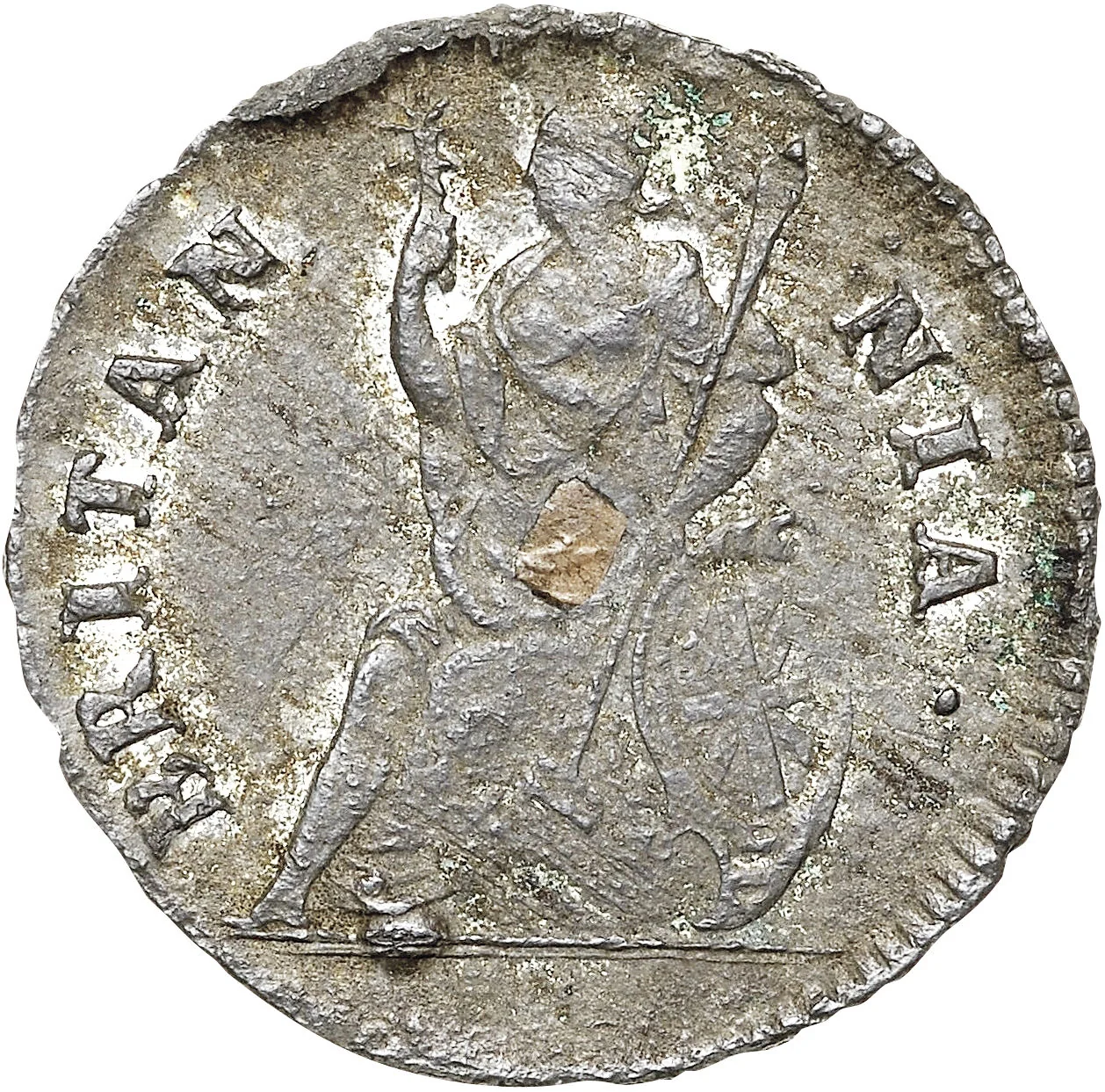
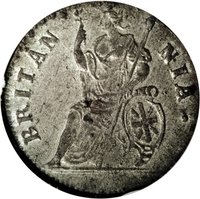
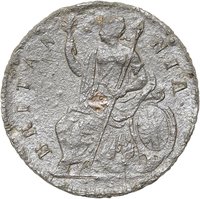
Britannia seated left, holding spear and olive branch, shield with Union flag beside her, legend around.
Inscription:
BRITANNIA ·
Script: Latin
Edge
Incuse date
Mintings
| Year | Mint Mark | Mintage | Quality | Collection |
|---|---|---|---|---|
| 1684 | — | — | ||
| 1685 | — | — | ||
| 1686 | — | — | ||
| 1687 | — | — |
Historical background
In 1684, England’s currency system was predominantly based on silver, with the pound sterling defined as a specific weight of sterling silver. The primary coin was the silver shilling, but the system was under significant strain. A critical problem was the widespread clipping and counterfeiting of coins, which had eroded public trust. Clippers would shave small amounts of precious metal from the edges of coins, melting the clippings down for profit. This resulted in a circulation of underweight, damaged coins whose intrinsic bullion value was often less than their face value, causing economic distortion and hampering trade.
The situation was exacerbated by the fact that the official mint price for silver was lower than the market price in Europe. This created a powerful economic incentive to export full-weight English silver coins to the Continent, where they could be sold for a profit, or to melt them down for bullion. Consequently, good, full-weight coinage was being systematically drained from the domestic economy, leaving behind a degraded and unreliable currency. This "bad money driving out good" is a classic example of Gresham's Law in action.
King Charles II and his government were aware of the crisis, but a definitive solution was still three years away. The Crown had been gathering advice, most notably from scientists like Sir Isaac Newton, who would later become Warden of the Mint. The eventual response, the Great Recoinage of 1696 under William III, was not yet on the immediate horizon. Therefore, in 1684, England remained mired in a period of monetary instability, with a circulating medium of uncertain value, which created uncertainty for merchants, taxpayers, and the government alike, laying bare the urgent need for a comprehensive and technologically advanced recoinage.
The situation was exacerbated by the fact that the official mint price for silver was lower than the market price in Europe. This created a powerful economic incentive to export full-weight English silver coins to the Continent, where they could be sold for a profit, or to melt them down for bullion. Consequently, good, full-weight coinage was being systematically drained from the domestic economy, leaving behind a degraded and unreliable currency. This "bad money driving out good" is a classic example of Gresham's Law in action.
King Charles II and his government were aware of the crisis, but a definitive solution was still three years away. The Crown had been gathering advice, most notably from scientists like Sir Isaac Newton, who would later become Warden of the Mint. The eventual response, the Great Recoinage of 1696 under William III, was not yet on the immediate horizon. Therefore, in 1684, England remained mired in a period of monetary instability, with a circulating medium of uncertain value, which created uncertainty for merchants, taxpayers, and the government alike, laying bare the urgent need for a comprehensive and technologically advanced recoinage.
✨ Legendary