

1 Silver Daler – Sweden
Sweden
Context
Year: 1717
Issuer: Sweden 
Ruler: Charles XII
Currency:
(1715—1719)
Demonetized: Yes
Total mintage: 905,900
Material
References
KM: #Click to copy to clipboard355
Numista: #53111
Obverse
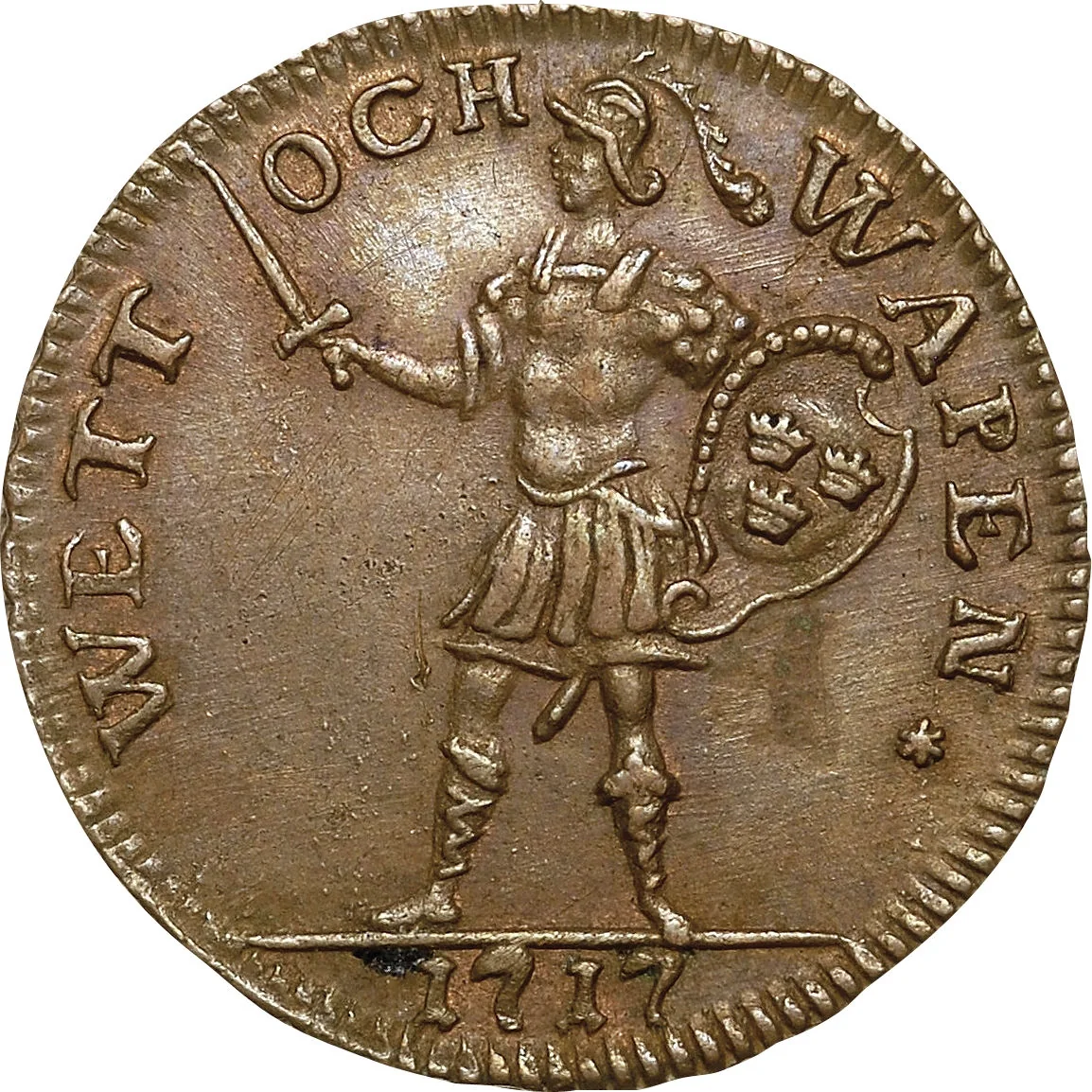
Description:
Warrior with sword, shield, and Sweden's three crowns; date below.
Inscription:
WETT OCH WAPEN
1717
1717
Script: Latin
Reverse
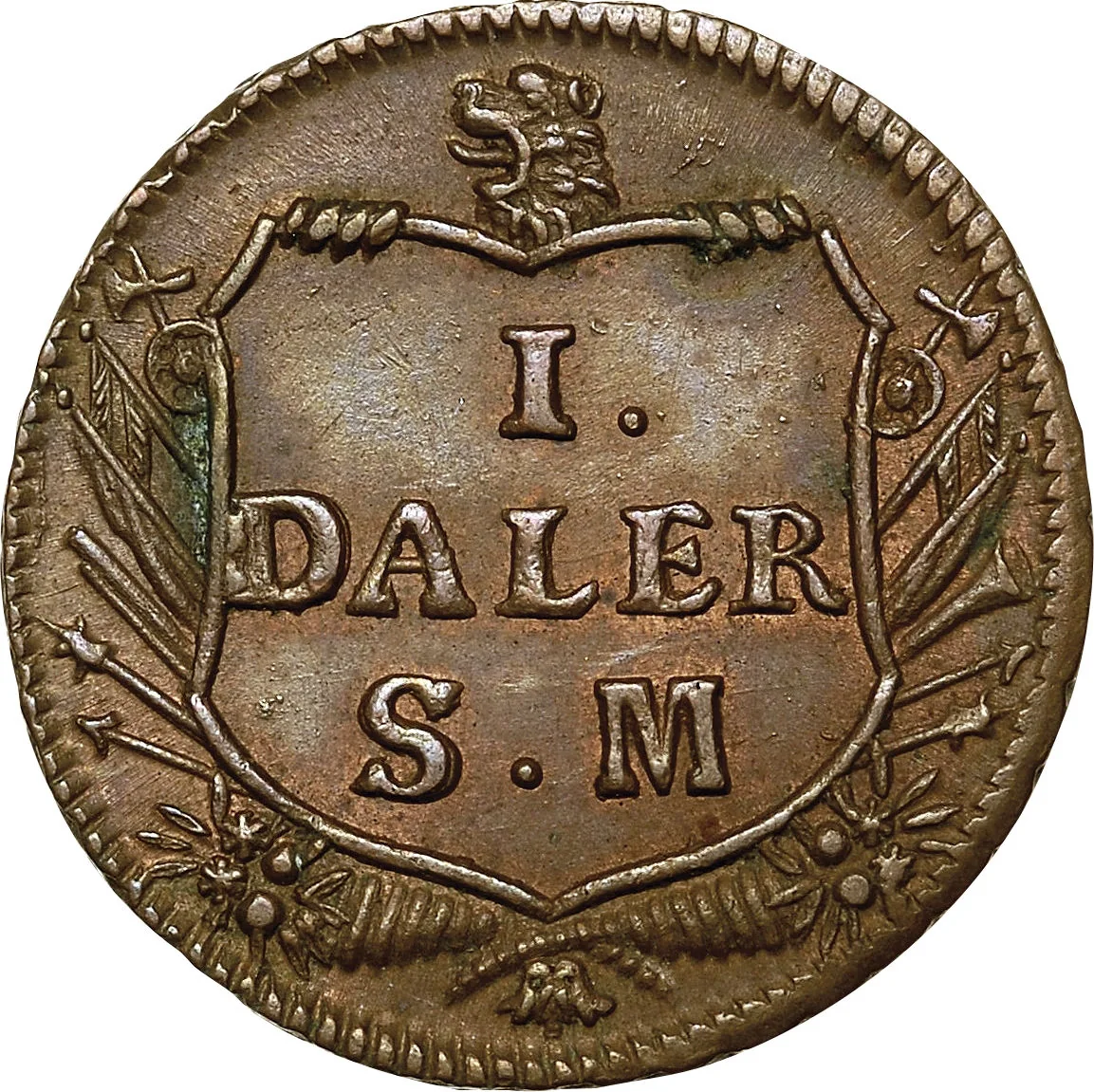
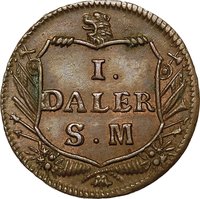
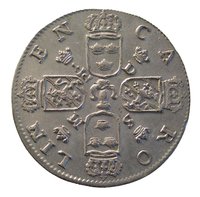
Description:
Shield with lion flanked by arms and flags, above crossed cornucopias.
Inscription:
I.
DALER
S.M
DALER
S.M
Script: Latin
Edge
Mintings
| Year | Mint Mark | Mintage | Quality | Collection |
|---|---|---|---|---|
| 1717 | — | 905,900 |
Historical background
In 1717, Sweden was embroiled in the final, draining years of the Great Northern War (1700-1721). The immense financial strain of maintaining a vast military against a coalition led by Russia had exhausted the state's treasury. To fund the war effort, the government, under King Charles XII, had resorted to massive coinage debasement. The silver content of the currency was drastically reduced, and large quantities of low-quality copper and "emergency coins" made of other metals were minted, leading to severe inflation and a loss of confidence in the monetary system.
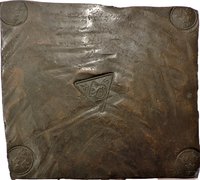
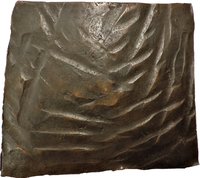
This period saw a chaotic multi-metal system where the intrinsic value of a coin often fell below its face value. The famous Swedish "plate money" (copper plates weighing up to 20 kilograms) remained in circulation but was impractical, while the new, lighter copper coins and debased silver riksdalers created confusion. The government attempted to legislate value, issuing ordinances to set exchange rates between the various forms of metal currency, but these measures were largely ineffective in the marketplace where real value was dictated by metal content and scarcity.
Consequently, the Swedish economy in 1717 was characterized by monetary disorder, rising prices, and a thriving black market for older, higher-quality coins. The situation severely disrupted trade and public finances, creating widespread economic hardship. This crisis set the stage for the major monetary reforms that would follow after the war's end, most notably the establishment of the Riksens Ständers Bank (the precursor to the Riksbank) in 1719 and the shift toward a more stable paper-based currency system.
This period saw a chaotic multi-metal system where the intrinsic value of a coin often fell below its face value. The famous Swedish "plate money" (copper plates weighing up to 20 kilograms) remained in circulation but was impractical, while the new, lighter copper coins and debased silver riksdalers created confusion. The government attempted to legislate value, issuing ordinances to set exchange rates between the various forms of metal currency, but these measures were largely ineffective in the marketplace where real value was dictated by metal content and scarcity.
Consequently, the Swedish economy in 1717 was characterized by monetary disorder, rising prices, and a thriving black market for older, higher-quality coins. The situation severely disrupted trade and public finances, creating widespread economic hardship. This crisis set the stage for the major monetary reforms that would follow after the war's end, most notably the establishment of the Riksens Ständers Bank (the precursor to the Riksbank) in 1719 and the shift toward a more stable paper-based currency system.
🌟 Limited