

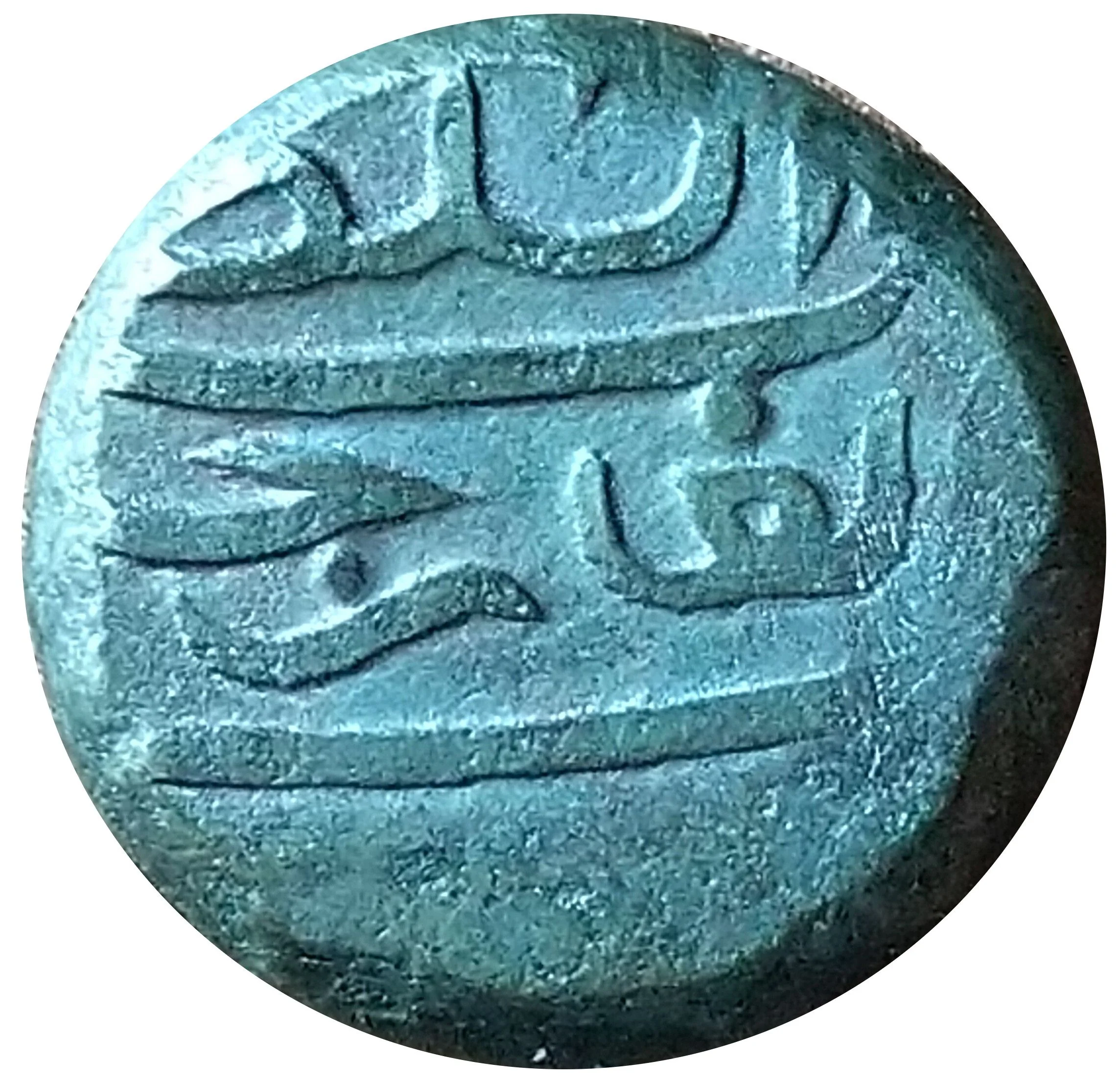
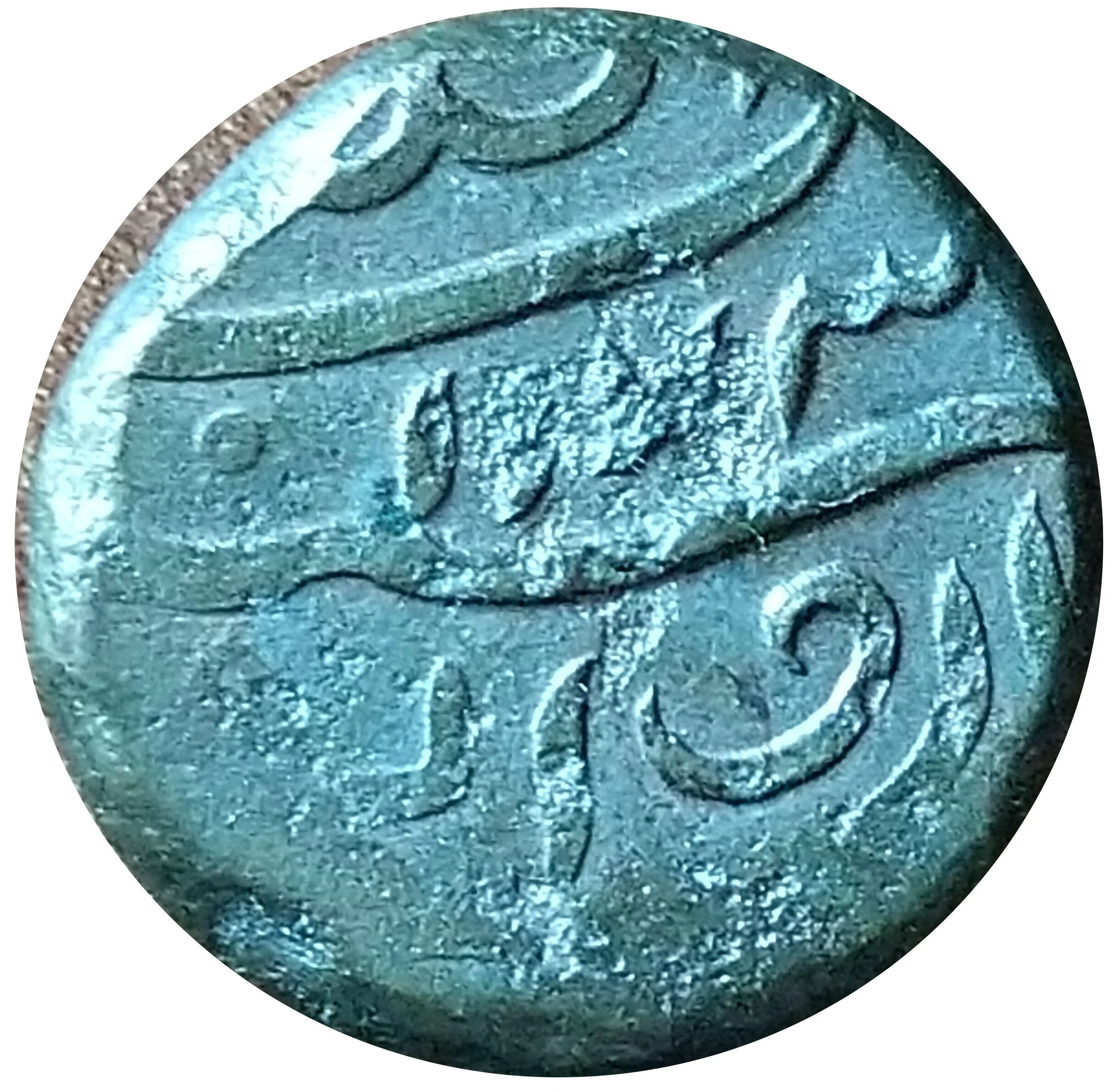
1 larin – Maldives
Add to wishlist
Maldives
Context
Year: 1760
Islamic (Hijri) Year:: 1173
Issuer: Maldives
Ruler: Hasan 'Izz ud-din
Currency:
(1660—1947)
Demonetized: Yes
References
KM: #
Numista: #117845
Obverse
Description:
Carved words.
Reverse
Description:
Engraved with date
Inscription:
١١٧٣
Edge
Mintings
| Year | Mint Mark | Mintage | Quality | Collection |
|---|---|---|---|---|
| 1760 | — | — |
Historical background
In 1760, the Maldives operated within a complex and multi-layered monetary system, heavily influenced by its position as a strategic node in the Indian Ocean trade network. The official and most prestigious currency was the Larín, a silver wire bent into a hook shape, often stamped with the seal of the ruling Sultan or local authorities. These were not minted locally but imported, primarily from the Persian Gulf and South India, and served as the backbone for larger state transactions and external trade. Their value was intrinsically tied to their silver content and the credibility of the issuing authority.
Alongside the Larín, the most common medium of exchange for everyday island life was the cowrie shell (Cypraea moneta), imported in vast quantities from the Maldives' own atolls and from East Africa. Cowries served as small change and were integral to local markets, tax payments, and internal commerce. The economy also saw a wide circulation of foreign coinage, including Mughal Rupees, Portuguese Xerafins, and Dutch Ducatoons, brought by merchants trading for the archipelago’s primary exports: dried tuna (Maldive fish), cowries, coir rope, and ambergris. This created a de facto multi-currency environment where exchange rates fluctuated based on metal purity, weight, and mercantile demand.
The monetary situation reflected the political reality of the mid-18th century, a period of internal fragmentation. Following the disintegration of the centralized Sultanate in the 1750s, the islands were divided under competing regional Atholhu chiefs. This political decentralization meant there was no single, powerful authority to standardize currency or enforce a unified fiscal policy. Consequently, the value and acceptance of any particular coin or Larín could vary significantly from one atoll to another, relying on the trust and control of local rulers and the pragmatic needs of Indian Ocean traders who frequented the islands' harbors.
Alongside the Larín, the most common medium of exchange for everyday island life was the cowrie shell (Cypraea moneta), imported in vast quantities from the Maldives' own atolls and from East Africa. Cowries served as small change and were integral to local markets, tax payments, and internal commerce. The economy also saw a wide circulation of foreign coinage, including Mughal Rupees, Portuguese Xerafins, and Dutch Ducatoons, brought by merchants trading for the archipelago’s primary exports: dried tuna (Maldive fish), cowries, coir rope, and ambergris. This created a de facto multi-currency environment where exchange rates fluctuated based on metal purity, weight, and mercantile demand.
The monetary situation reflected the political reality of the mid-18th century, a period of internal fragmentation. Following the disintegration of the centralized Sultanate in the 1750s, the islands were divided under competing regional Atholhu chiefs. This political decentralization meant there was no single, powerful authority to standardize currency or enforce a unified fiscal policy. Consequently, the value and acceptance of any particular coin or Larín could vary significantly from one atoll to another, relying on the trust and control of local rulers and the pragmatic needs of Indian Ocean traders who frequented the islands' harbors.

✨ Legendary