

2 grossetti – Ferrara
Add to wishlist
Italy
Context
Year: 1756
Country: Italy
Issuer: Ferrara
Ruler: Benedict XIV
Currency:
(1534—1835)
Demonetized: Yes
Material
References
KM: #
Numista: #117320
Value
Bullion value: $6.44
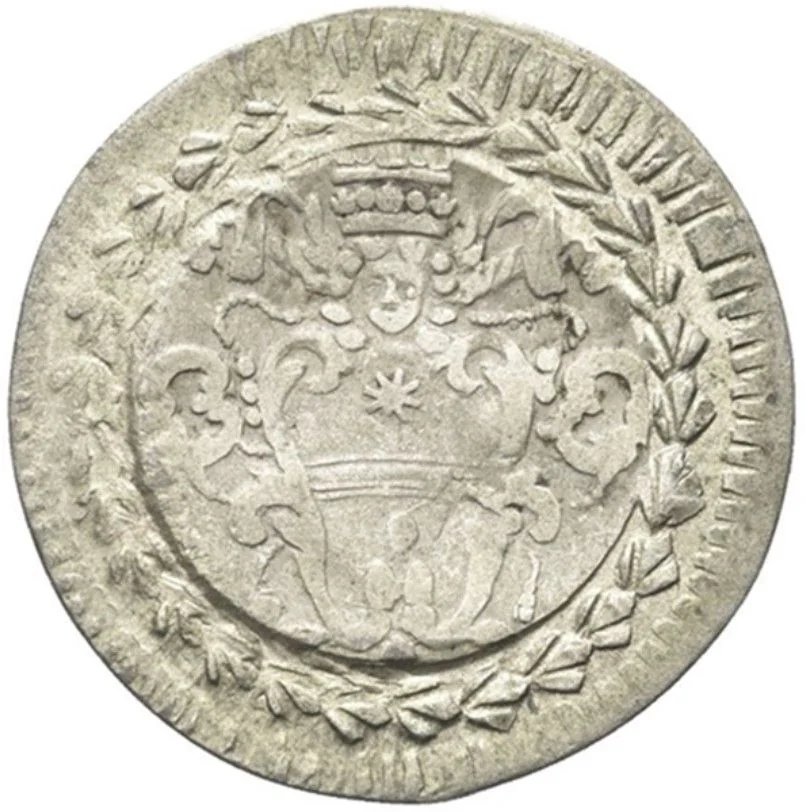
Obverse
Description:
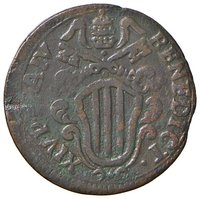
Papal arms. Wreath encircles effaced legend.
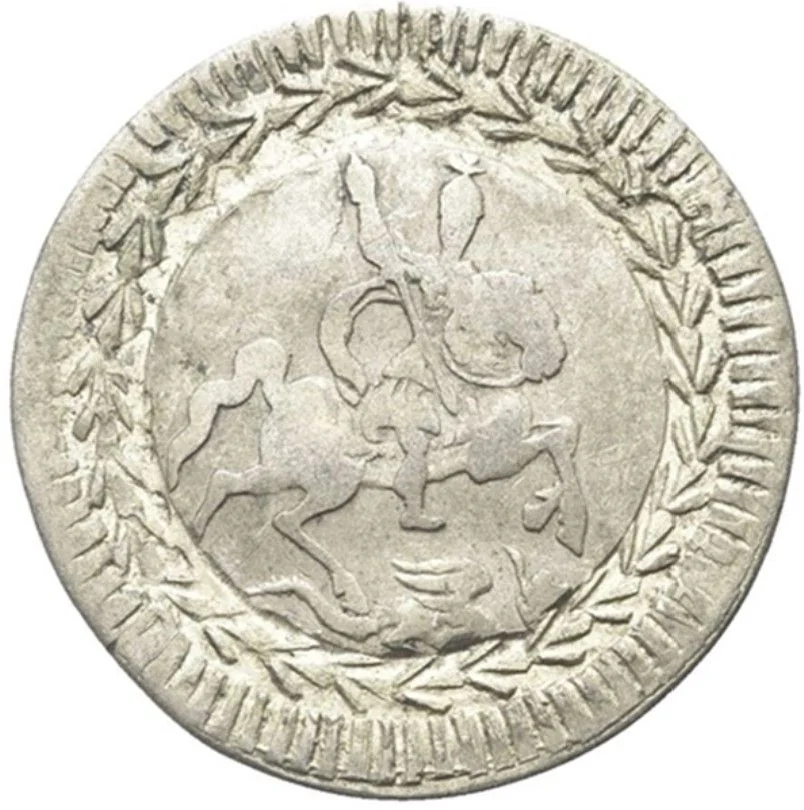
Reverse
Description:
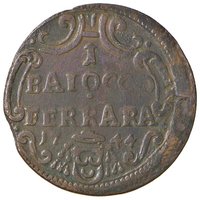
Dragon slain by mounted knight. Vanquished legend encircled.
Edge
Plain
Categories
| Symbol> Crown |
| Symbols> Coat of Arms |
| Symbol> Wreath |
| Object> Cold weapons |
| Mythology> Fantastic animal |
| Animal> Horse |
Mints
| Name | Mark |
|---|---|
| Ferrara | — |
Mintings
| Year | Mint Mark | Mintage | Quality | Collection |
|---|---|---|---|---|
| 1756 | — | — |
Historical background
In 1756, the Duchy of Ferrara was under the direct rule of the Papal States, having been annexed by Pope Clement VIII in 1598. As such, its monetary system was integrated into the complex and often strained papal currency regime. The primary circulating coins were those minted by the Papal Mint in Rome, including the scudo (silver) and the baiocco (copper), alongside a myriad of older, worn, and foreign coins from neighboring states like the Republic of Venice, the Duchy of Modena, and the Habsburg territories in Lombardy. This created a chronically heterogeneous money supply where the value of coins depended not only on their face value but also on their weight, metal fineness, and public trust.
The mid-18th century was a period of significant monetary difficulty across the Italian peninsula, and Ferrara was no exception. A key problem was the chronic shortage of good, full-weight silver coinage. Papal monetary policy, often driven by fiscal necessity, had a history of debasement—reducing the silver content in coins to generate seigniorage revenue. This led to Gresham's Law in practice: "bad money drives out good." Hoarders and merchants would export or melt down higher-value papal coins, leaving poorer-quality and foreign coins in daily circulation. For the artisans and peasants of Ferrara, this meant instability in purchasing power and the nuisance of having to constantly evaluate and negotiate the worth of every coin in market transactions.
Furthermore, the local economy of Ferrara, based on agriculture, silk, and wool, was integrated into broader regional trade networks. This required a reliable medium of exchange, which the fragmented currency situation undermined. While attempts at monetary reform were periodically made by the papal authorities, they were often ineffective on the ground. In 1756, therefore, a Ferrarese merchant or farmer contended with a messy and inefficient monetary environment, where the official papal denominations existed alongside a shadow system of actual, negotiated values, creating daily friction in commerce and reflecting the broader administrative and economic challenges of papal rule in the region.
The mid-18th century was a period of significant monetary difficulty across the Italian peninsula, and Ferrara was no exception. A key problem was the chronic shortage of good, full-weight silver coinage. Papal monetary policy, often driven by fiscal necessity, had a history of debasement—reducing the silver content in coins to generate seigniorage revenue. This led to Gresham's Law in practice: "bad money drives out good." Hoarders and merchants would export or melt down higher-value papal coins, leaving poorer-quality and foreign coins in daily circulation. For the artisans and peasants of Ferrara, this meant instability in purchasing power and the nuisance of having to constantly evaluate and negotiate the worth of every coin in market transactions.
Furthermore, the local economy of Ferrara, based on agriculture, silk, and wool, was integrated into broader regional trade networks. This required a reliable medium of exchange, which the fragmented currency situation undermined. While attempts at monetary reform were periodically made by the papal authorities, they were often ineffective on the ground. In 1756, therefore, a Ferrarese merchant or farmer contended with a messy and inefficient monetary environment, where the official papal denominations existed alongside a shadow system of actual, negotiated values, creating daily friction in commerce and reflecting the broader administrative and economic challenges of papal rule in the region.
✨ Legendary