

1 pardau – Portuguese India
Add to wishlist
India
Context
Years: 1741–1749
Country: India
Issuer: Portuguese India
Issuing organization: Casa da Moeda de Damão
Ruler: João V
Currency:
(1706—1880)
Subdivision: 1 pardau = ½ Rupia
Demonetized: Yes
Material
Diameter: 20 mm
Weight: 5.9 g
Silver Weight:: 5.90 g
Shape: Irregular round
Composition: Silver
Magnetic: No
Technique: Hammered
References
KM: #
Numista: #50508
Value
Bullion value: $14.78
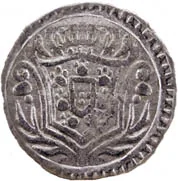
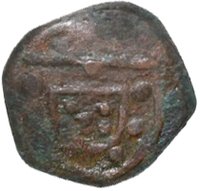
Obverse
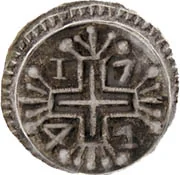
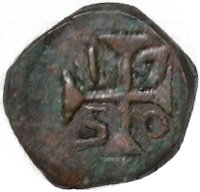
Reverse
Inscription:
I-7
4-1
4-1
Edge
Mintings
| Year | Mint Mark | Mintage | Quality | Collection |
|---|---|---|---|---|
| 1741 | — | — | ||
| 1744 | — | — | ||
| 1745 | — | — | ||
| 1749 | — | — |
Historical background
In 1741, the currency situation in Portuguese India, centered in Goa, was characterized by a complex and often chaotic multiplicity of circulating coins, reflecting both its colonial status and its position as a trading hub. The official Portuguese currency, the xerafim (divided into 300 réis), served as the unit of account for the Estado da Índia's administration and trade. However, the actual money in circulation was dominated by a plethora of foreign silver coins, primarily the Spanish American peso (often called the "piece of eight") and various Indian and Mughal silver rupees. These foreign coins were not mere curiosities but the lifeblood of commerce, essential for both regional trade and transactions with merchants from across Asia and Europe.
This monetary pluralism created significant challenges. The value of these foreign coins fluctuated constantly against the official xerafim, leading to confusion, arbitrage, and frequent official proclamations attempting to fix exchange rates. The Portuguese administration struggled to assert monetary sovereignty, as the intrinsic silver value and wide acceptance of pesos and rupees made them more desirable and trustworthy in the marketplace than often debased or insufficient local coinage. Furthermore, the chronic shortage of specie, especially small-denomination coins for everyday transactions, was a persistent problem, often remedied by the circulation of cut fractions of larger coins or low-quality local minting.
The situation was further complicated by Portugal's economic decline and the rising power of other European trading companies, particularly the British and Dutch. Their currencies also began to circulate, adding another layer to the monetary mosaic. Ultimately, the currency scene in 1741 reveals a colonial power unable to fully control the economic life of its possession, forced to accommodate and regulate the currencies of its rivals and neighbors to keep its own commerce functioning. It was a system of pragmatic necessity, defined by external economic forces more than by Lisbon's decrees.
This monetary pluralism created significant challenges. The value of these foreign coins fluctuated constantly against the official xerafim, leading to confusion, arbitrage, and frequent official proclamations attempting to fix exchange rates. The Portuguese administration struggled to assert monetary sovereignty, as the intrinsic silver value and wide acceptance of pesos and rupees made them more desirable and trustworthy in the marketplace than often debased or insufficient local coinage. Furthermore, the chronic shortage of specie, especially small-denomination coins for everyday transactions, was a persistent problem, often remedied by the circulation of cut fractions of larger coins or low-quality local minting.
The situation was further complicated by Portugal's economic decline and the rising power of other European trading companies, particularly the British and Dutch. Their currencies also began to circulate, adding another layer to the monetary mosaic. Ultimately, the currency scene in 1741 reveals a colonial power unable to fully control the economic life of its possession, forced to accommodate and regulate the currencies of its rivals and neighbors to keep its own commerce functioning. It was a system of pragmatic necessity, defined by external economic forces more than by Lisbon's decrees.
✨ Legendary