

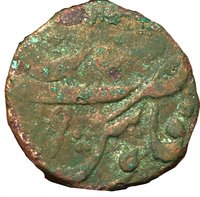
1 Falus – Afghanistan
Afghanistan
Context
Material
Diameter: 21 mm
Weight: 11.9 g
Thickness: 2.5 mm
Shape: Irregular round
Composition: Copper
Magnetic: No
Technique: Hammered
Alignment: Coin alignment
flip
References
KM: #Click to copy to clipboard650
Numista: #492792
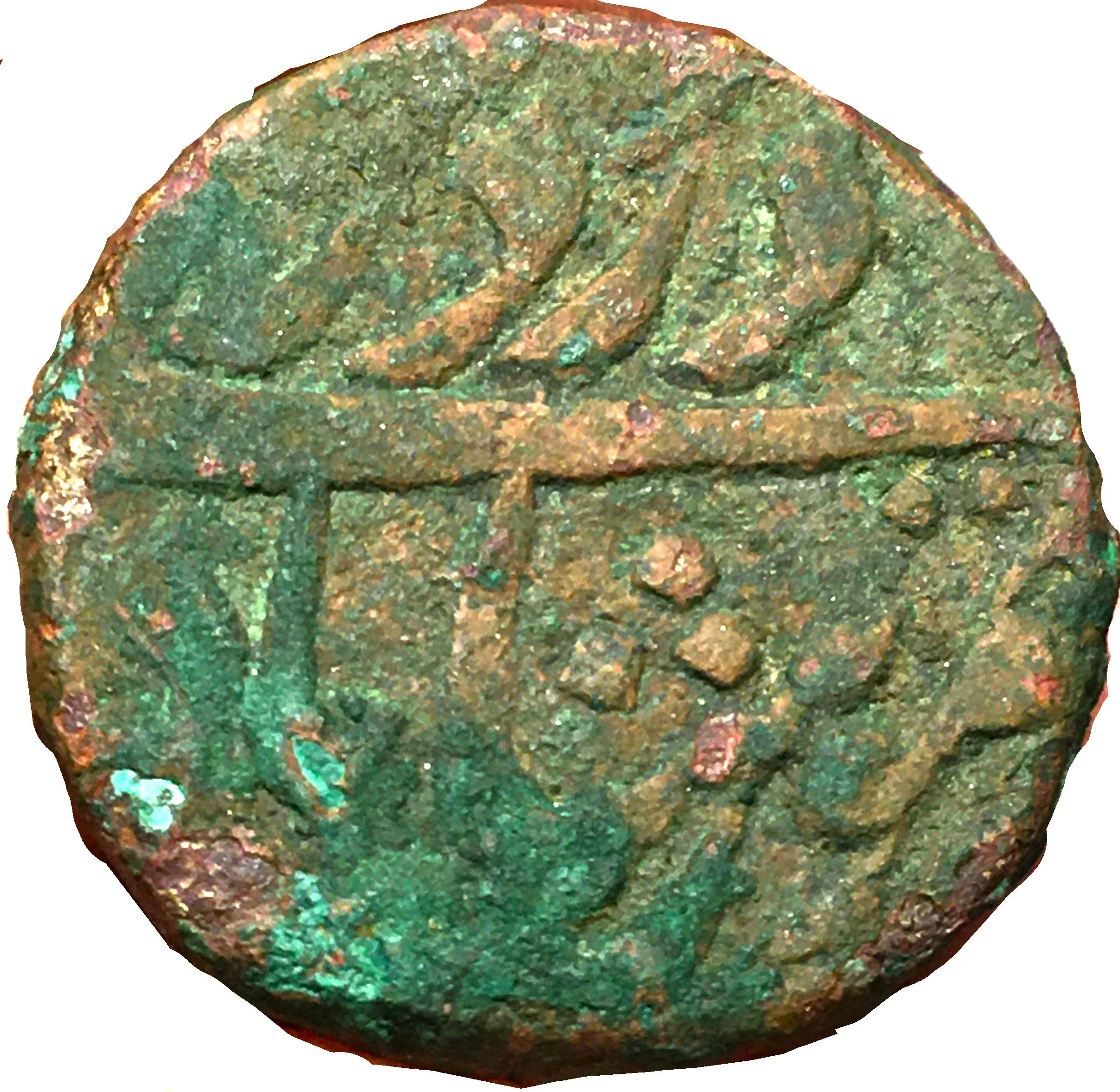
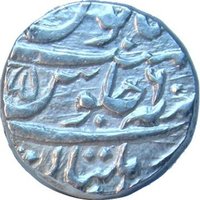
Obverse
Description:
Dated inscription on bottom (if present).
Inscription:
دور میں درانی
تیمور بادشاہ
تیمور بادشاہ
Script: Persian (nastaliq)
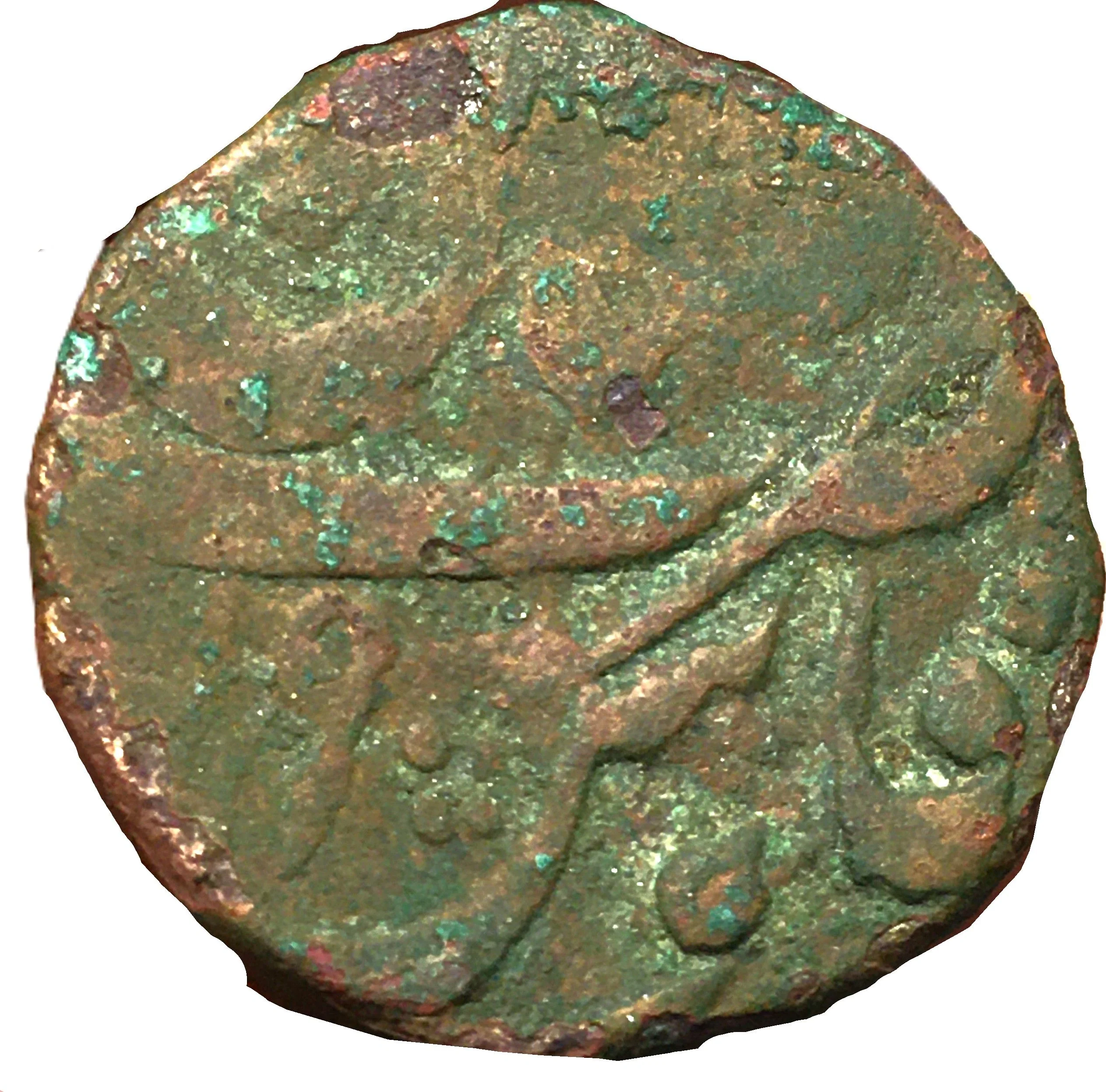
Reverse
Description:
Valuable inscription: mint and regnal year.
Inscription:
ضرب ملتان
فلوس١٩
فلوس١٩
Script: Persian (nastaliq)
Edge
Mints
| Name | Mark |
|---|---|
| Multan | ملتان |
Mintings
| Year | Mint Mark | Mintage | Quality | Collection |
|---|---|---|---|---|
| 1780 | — | — | ||
| 1782 | — | — | ||
| 1783 | — | — | ||
| 1786 | — | — | ||
| 1787 | — | — | ||
| 1788 | — | — | ||
| 1789 | — | — | ||
| 1790 | — | — | ||
| 1791 | — | — | ||
| 1792 | — | — | ||
| 1793 | — | — |
Historical background
In 1780, Afghanistan was not a unified nation-state but a patchwork of competing principalities and tribal confederations, most notably under the Durrani Empire founded by Ahmad Shah Durrani. The currency situation reflected this decentralized political reality. The primary unit was the Durrani rupee, a silver coin minted in the name of the ruling Shah, which served as the empire's official standard. However, its circulation and acceptance were uneven, often strongest around the capital of Kandahar and along major trade routes.
Beyond the imperial coinage, a complex mosaic of regional and foreign currencies circulated freely. Older Mughal rupees, Persian abbasis, and Bukharan tillas were commonly used in commerce, their value determined by weight and silver purity rather than political borders. Furthermore, local khans and tribal leaders often exercised the privilege of striking their own copper coins (fulus) for smaller, everyday transactions in their territories. This created a multi-tiered system where high-value trade was conducted in silver, often weighed by moneychangers (sarrafs), while local economies relied on a plethora of lower-denomination coins.
The stability of the currency was intrinsically tied to the Shah's military fortunes and control over revenue-rich regions. By 1780, the Durrani Empire was past its zenith, and Ahmad Shah's successors faced increasing internal rebellion and financial strain. This often led to debasement—reducing the silver content in rupees to fund military campaigns—which eroded public trust and further incentivized the use of older, purer foreign coins. Thus, Afghanistan's monetary landscape in this period was one of nominal imperial standardization undercut by practical fragmentation, mirroring the delicate and contested balance of power within the empire itself.
Beyond the imperial coinage, a complex mosaic of regional and foreign currencies circulated freely. Older Mughal rupees, Persian abbasis, and Bukharan tillas were commonly used in commerce, their value determined by weight and silver purity rather than political borders. Furthermore, local khans and tribal leaders often exercised the privilege of striking their own copper coins (fulus) for smaller, everyday transactions in their territories. This created a multi-tiered system where high-value trade was conducted in silver, often weighed by moneychangers (sarrafs), while local economies relied on a plethora of lower-denomination coins.
The stability of the currency was intrinsically tied to the Shah's military fortunes and control over revenue-rich regions. By 1780, the Durrani Empire was past its zenith, and Ahmad Shah's successors faced increasing internal rebellion and financial strain. This often led to debasement—reducing the silver content in rupees to fund military campaigns—which eroded public trust and further incentivized the use of older, purer foreign coins. Thus, Afghanistan's monetary landscape in this period was one of nominal imperial standardization undercut by practical fragmentation, mirroring the delicate and contested balance of power within the empire itself.
✨ Legendary