

1 Obol – Hungary
Hungary

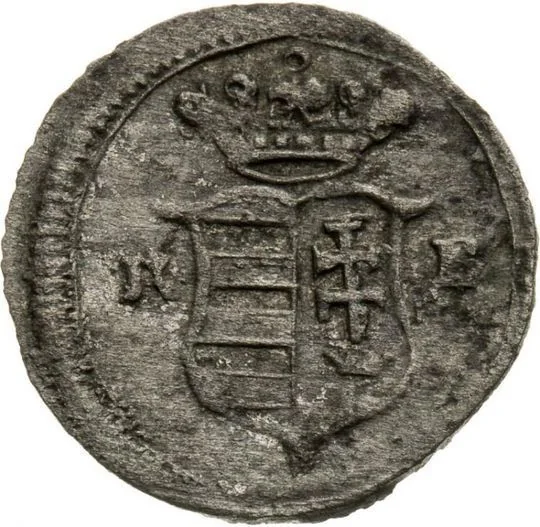
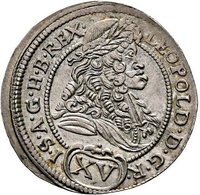
Obverse
Description:
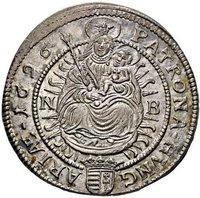
Crowned double-arched arms separate K-B mintmark; crown clear of shield.
Inscription:
K B
Script: Latin
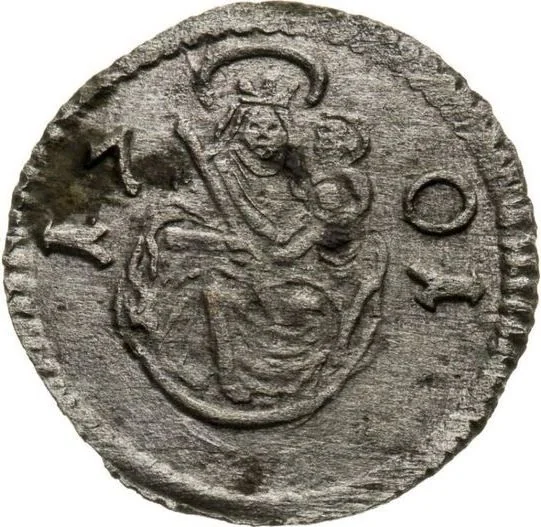
Reverse
Edge
Plain
Mints
| Name | Mark |
|---|---|
| Kremnica | KB |
Historical background
In 1696, Hungary's currency situation was deeply unstable and reflected the broader turmoil of the era, as the Kingdom of Hungary was a primary battleground in the Long Turkish War (1683–1699). The Habsburg monarchy, ruling the reconquered territories, was engaged in a massive and costly military effort to expel the Ottoman Empire. This relentless war effort placed an enormous financial strain on the imperial treasury, leading to rampant coinage debasement. The silver content of the circulating thaler and kreuzer coins was systematically reduced to mint more coins from the same amount of precious metal, a practice that fueled severe inflation and eroded public trust in the currency.
The monetary landscape was further complicated by a chaotic mix of coins in circulation. Alongside the debased new Habsburg issues, older, higher-quality Hungarian silver coins (like the forint), Ottoman akçe, and various European trade coins all competed for acceptance. This created a confusing and inefficient system where the intrinsic metal value of a coin often mattered more than its face value, leading to Gresham's Law in action: "bad money drives out good." Peasants and soldiers, often paid in poor-quality coin, suffered immensely as their purchasing power evaporated, especially for basic goods whose prices soared.
This crisis prompted the Habsburg court in Vienna to initiate monetary reforms, which would culminate in the great recoinage of 1696–1705. The aim was to standardize the currency, restore its silver content, and reassert central control over the minting process. While these reforms would eventually establish the more stable Conventionsthaler standard, in 1696 itself, the situation was at its nadir—a period of severe inflation, monetary confusion, and economic hardship directly tied to the exigencies of prolonged warfare and the struggle for control of the Hungarian plain.
The monetary landscape was further complicated by a chaotic mix of coins in circulation. Alongside the debased new Habsburg issues, older, higher-quality Hungarian silver coins (like the forint), Ottoman akçe, and various European trade coins all competed for acceptance. This created a confusing and inefficient system where the intrinsic metal value of a coin often mattered more than its face value, leading to Gresham's Law in action: "bad money drives out good." Peasants and soldiers, often paid in poor-quality coin, suffered immensely as their purchasing power evaporated, especially for basic goods whose prices soared.
This crisis prompted the Habsburg court in Vienna to initiate monetary reforms, which would culminate in the great recoinage of 1696–1705. The aim was to standardize the currency, restore its silver content, and reassert central control over the minting process. While these reforms would eventually establish the more stable Conventionsthaler standard, in 1696 itself, the situation was at its nadir—a period of severe inflation, monetary confusion, and economic hardship directly tied to the exigencies of prolonged warfare and the struggle for control of the Hungarian plain.
✨ Legendary