

2 reales – Peru
Add to wishlist
Peru
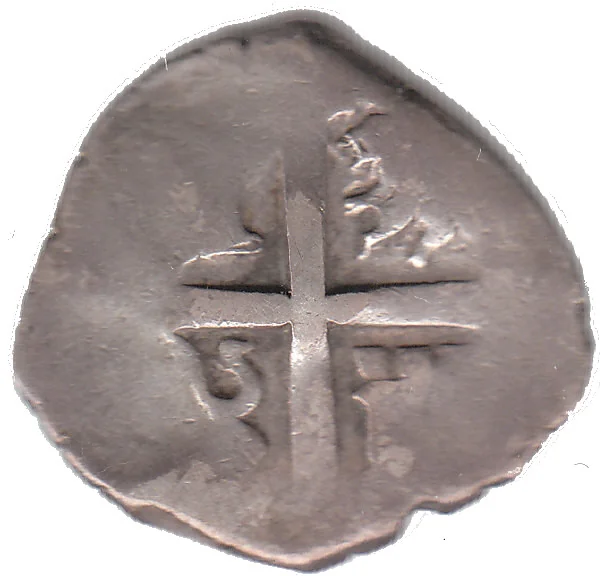
Obverse
Description:
Jerusalem cross with lions and castles in quarters. Dated.
Reverse
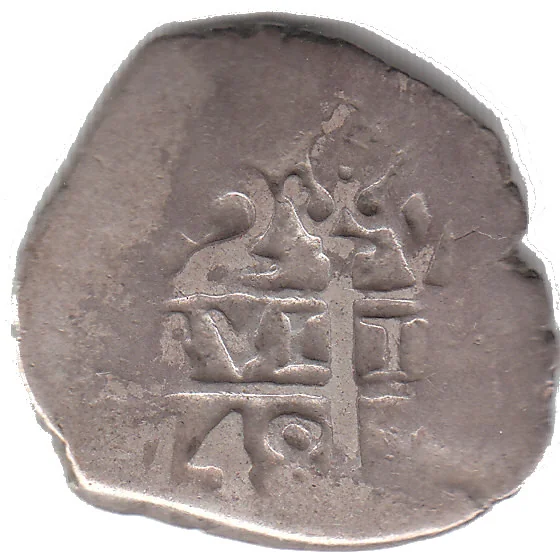
Description:
Core supports.
Edge
Mintings
| Year | Mint Mark | Mintage | Quality | Collection |
|---|---|---|---|---|
| 1748 | LV | — | ||
| 1749 | LR | — | ||
| 1750 | LR | — | ||
| 1751 | LR | — | ||
| 1752 | LR | — |
Historical background
In 1748, the Viceroyalty of Peru operated under a complex and strained monetary system inherited from Spanish colonial policy. The official currency was based on silver, primarily minted at the Casa de Moneda de Lima, which produced silver reales and the famed "pieces of eight" (pesos). Gold escudos were also minted but were less common in everyday commerce. The system was theoretically bimetallic, but in practice, silver was king due to the immense output of the Andean mines, particularly the legendary silver mountain of Potosí (in present-day Bolivia, but within the Peruvian viceroyalty's jurisdiction). The Spanish crown strictly controlled the mint and the flow of precious metals, aiming to extract wealth for the metropolis.
However, this official system was plagued by chronic problems. A severe and persistent shortage of small-denomination coinage (vellón) for daily transactions crippled local markets and trade. This scarcity led to widespread use of informal substitutes, including clipped and debased coins, crude silver chunks, and even cacao beans in some regions. Furthermore, the monetary supply was constantly drained by the Carrera de Indias, the fleet system that shipped American silver to Spain, and by large, illegal outflows of currency to finance contraband trade with other European powers and colonies, bypassing Spanish mercantilist restrictions.
The year 1748 itself fell within a period of attempted reform under the Bourbon monarchs, who sought to increase efficiency and royal revenue. Viceroy José Antonio Manso de Velasco was overseeing the administration, tasked with implementing crown policies. While no single monetary reform was decreed that specific year, the situation was one of underlying tension between a rigid imperial system and the practical economic needs of the colony. This environment set the stage for more significant Bourbon reforms in the subsequent decades, which would ultimately include changes to minting practices and fiscal administration in a bid to reassert control over Peru's wealth.
However, this official system was plagued by chronic problems. A severe and persistent shortage of small-denomination coinage (vellón) for daily transactions crippled local markets and trade. This scarcity led to widespread use of informal substitutes, including clipped and debased coins, crude silver chunks, and even cacao beans in some regions. Furthermore, the monetary supply was constantly drained by the Carrera de Indias, the fleet system that shipped American silver to Spain, and by large, illegal outflows of currency to finance contraband trade with other European powers and colonies, bypassing Spanish mercantilist restrictions.
The year 1748 itself fell within a period of attempted reform under the Bourbon monarchs, who sought to increase efficiency and royal revenue. Viceroy José Antonio Manso de Velasco was overseeing the administration, tasked with implementing crown policies. While no single monetary reform was decreed that specific year, the situation was one of underlying tension between a rigid imperial system and the practical economic needs of the colony. This environment set the stage for more significant Bourbon reforms in the subsequent decades, which would ultimately include changes to minting practices and fiscal administration in a bid to reassert control over Peru's wealth.

✨ Legendary