

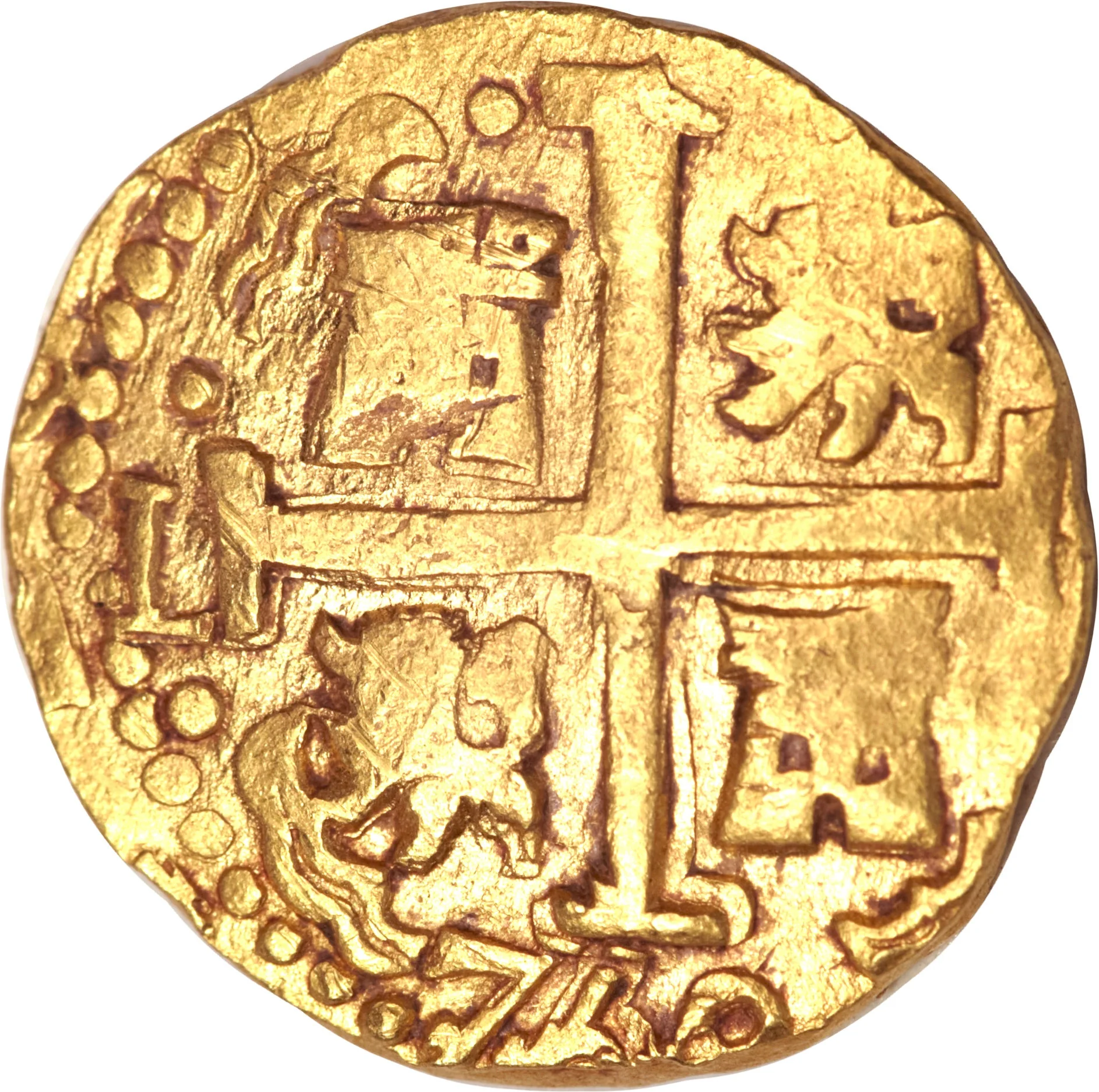
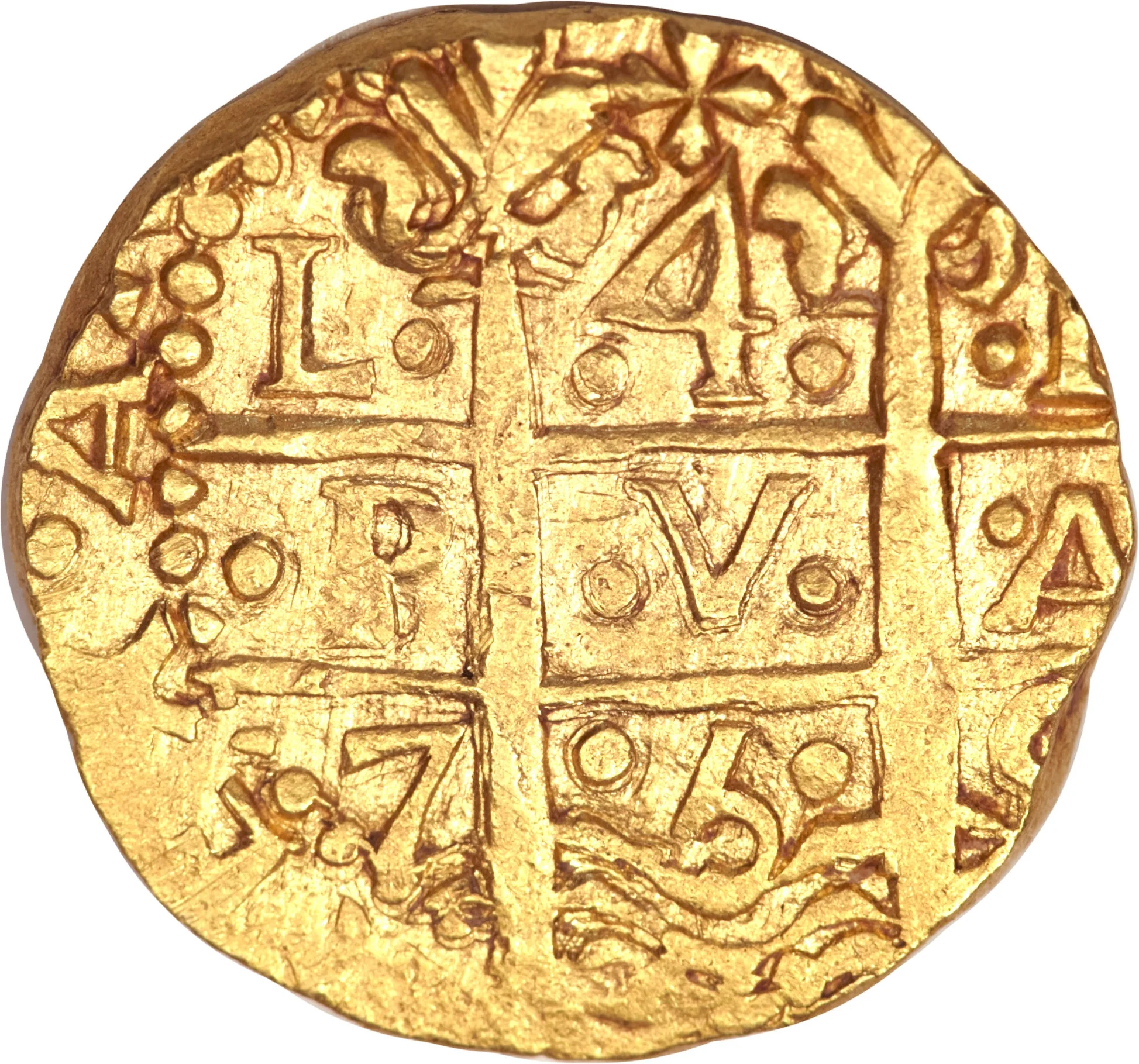
Peru

Mintings
| Year | Mint Mark | Mintage | Quality | Collection |
|---|---|---|---|---|
| 1702 | LH | — | ||
| — | L | — | ||
| 1704 | LH | — | ||
| 1705 | LH | — | ||
| 1707 | LH | — | ||
| 1710 | LH | — | ||
| 1711 | LM | — | ||
| 1712 | LM | — | ||
| 1736 | LN | — | ||
| 1738 | LN | — | ||
| 1739 | LV | — | ||
| 1740 | LV | — | ||
| 1745 | LV | — |
Historical background
In 1702, Peru's currency situation was a complex and strained system operating under the Spanish colonial monopoly. The official currency was silver, primarily minted into pesos fuertes (pieces of eight) at the Casa de Moneda de Lima, established in 1565. The colony's immense wealth, drawn from the silver mines of Potosí (in modern-day Bolivia, then part of the Viceroyalty of Peru), made it the financial heart of Spain's empire. However, this system was plagued by a chronic shortage of circulating coinage for daily transactions. Much of the silver was either shipped directly to Spain as bullion or used for large-scale commerce, leaving the local economy with insufficient small change.
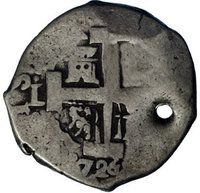
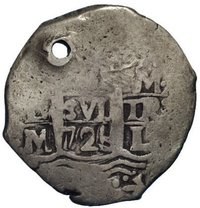
This scarcity led to the widespread and problematic use of moneda macuquina – crude, irregularly shaped coins that were hand-struck and often clipped or debased. While officially minted, their poor quality facilitated fraud and made them difficult to count. Furthermore, to alleviate the small-change shortage, local merchants and institutions issued unofficial tokens and promissory notes, creating a fragmented and unreliable monetary environment. The Crown's strict control over minting and its insistence on draining silver to the metropolis stifled the local economy, creating a disconnect between the vast mineral wealth extracted and the difficult monetary conditions experienced by most residents.
The year 1702 fell within the War of the Spanish Succession (1701-1714), which exacerbated these existing pressures. Spain's urgent need for funds to finance the war led to increased fiscal demands on Peru, accelerating the outflow of silver. This period also saw heightened threats from foreign privateers and enemy navies, making the transatlantic silver shipments riskier and potentially disrupting the already tense flow of currency. Consequently, Peru in 1702 struggled with a monetary system that was both a source of imperial grandeur and local economic frustration, defined by scarcity, inferior coinage, and the overarching demands of a distant European war.
This scarcity led to the widespread and problematic use of moneda macuquina – crude, irregularly shaped coins that were hand-struck and often clipped or debased. While officially minted, their poor quality facilitated fraud and made them difficult to count. Furthermore, to alleviate the small-change shortage, local merchants and institutions issued unofficial tokens and promissory notes, creating a fragmented and unreliable monetary environment. The Crown's strict control over minting and its insistence on draining silver to the metropolis stifled the local economy, creating a disconnect between the vast mineral wealth extracted and the difficult monetary conditions experienced by most residents.
The year 1702 fell within the War of the Spanish Succession (1701-1714), which exacerbated these existing pressures. Spain's urgent need for funds to finance the war led to increased fiscal demands on Peru, accelerating the outflow of silver. This period also saw heightened threats from foreign privateers and enemy navies, making the transatlantic silver shipments riskier and potentially disrupting the already tense flow of currency. Consequently, Peru in 1702 struggled with a monetary system that was both a source of imperial grandeur and local economic frustration, defined by scarcity, inferior coinage, and the overarching demands of a distant European war.
✨ Legendary