

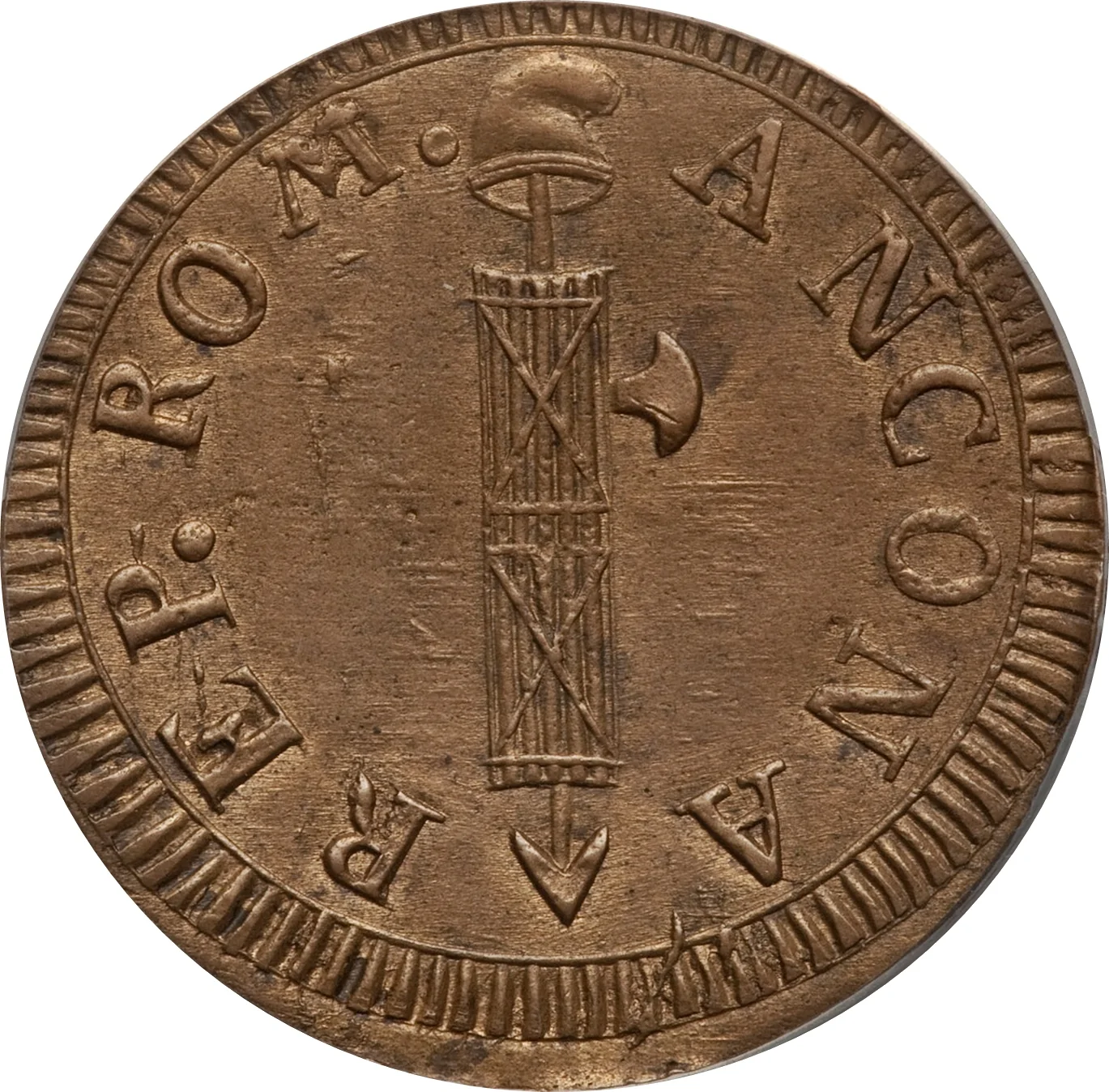
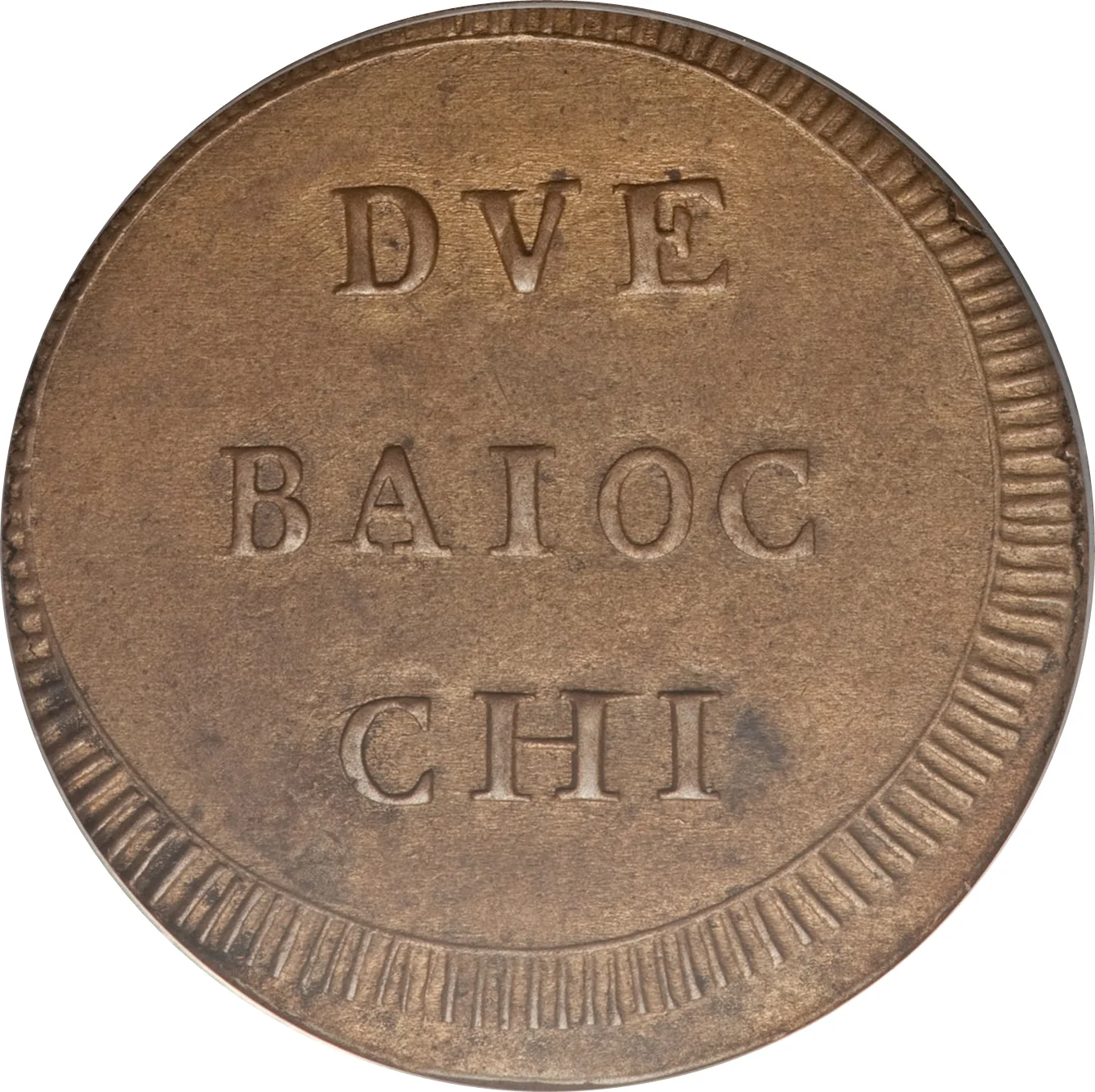
2 baiocchi – Roman Sister Republic
Add to wishlist
Italy
Context
Year: 1799
Country: Italy
Issuer: Roman Sister Republic
Period:
(1798—1799)
Currency:
(1798—1799)
Demonetized: Yes
Material
References
KM: #
Numista: #46524
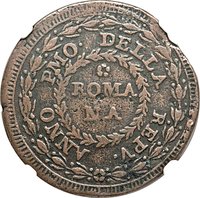
Obverse
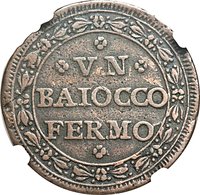
Reverse
Edge
Plain
Mints
| Name | Mark |
|---|---|
| Ancona | — |
Mintings
| Year | Mint Mark | Mintage | Quality | Collection |
|---|---|---|---|---|
| 1799 | — | — |
Historical background
In 1799, the Roman Sister Republic, a short-lived revolutionary state established by French forces in the Papal Territories, faced a dire and chaotic currency situation. The republic inherited the complex monetary system of the Papal States, which included a mix of papal scudi, bajocchi, and quattrini, but its legitimacy and stability were immediately undermined. The French, needing to fund their military occupation and export revolution, imposed heavy indemnities and systematically looted churches, monasteries, and public treasuries of gold and silver. This mass confiscation of precious metals drained the material backing from the existing currency, leading to a severe shortage of sound coinage and a collapse in public confidence.
The Republican government attempted to address the crisis by issuing its own paper currency, mandati, but these were not backed by substantial reserves and quickly depreciated. This new fiat money was met with widespread public distrust and refusal, especially outside Rome, as people clung to remaining papal coins or resorted to barter. The economic paralysis was exacerbated by the republic's political isolation, ongoing internal unrest, and the disruption of normal trade and agriculture, creating a classic vicious cycle where a failing state could not support its currency, and a worthless currency further crippled the state's operations.
Ultimately, the currency collapse was a critical symptom of the republic's artificial and imposed nature. By the fall of 1799, with French troops withdrawn to face other threats, the republic collapsed, and Papal authority was restored. The monetary chaos left a lasting scar on the local economy, demonstrating how revolutionary regimes of the era often foundered on the practical realities of public finance, where forced requisitions and unsupported paper money eroded trust far faster than new political ideals could be established.
The Republican government attempted to address the crisis by issuing its own paper currency, mandati, but these were not backed by substantial reserves and quickly depreciated. This new fiat money was met with widespread public distrust and refusal, especially outside Rome, as people clung to remaining papal coins or resorted to barter. The economic paralysis was exacerbated by the republic's political isolation, ongoing internal unrest, and the disruption of normal trade and agriculture, creating a classic vicious cycle where a failing state could not support its currency, and a worthless currency further crippled the state's operations.
Ultimately, the currency collapse was a critical symptom of the republic's artificial and imposed nature. By the fall of 1799, with French troops withdrawn to face other threats, the republic collapsed, and Papal authority was restored. The monetary chaos left a lasting scar on the local economy, demonstrating how revolutionary regimes of the era often foundered on the practical realities of public finance, where forced requisitions and unsupported paper money eroded trust far faster than new political ideals could be established.
✨ Legendary