

¼ real – Peru
Add to wishlist
Peru
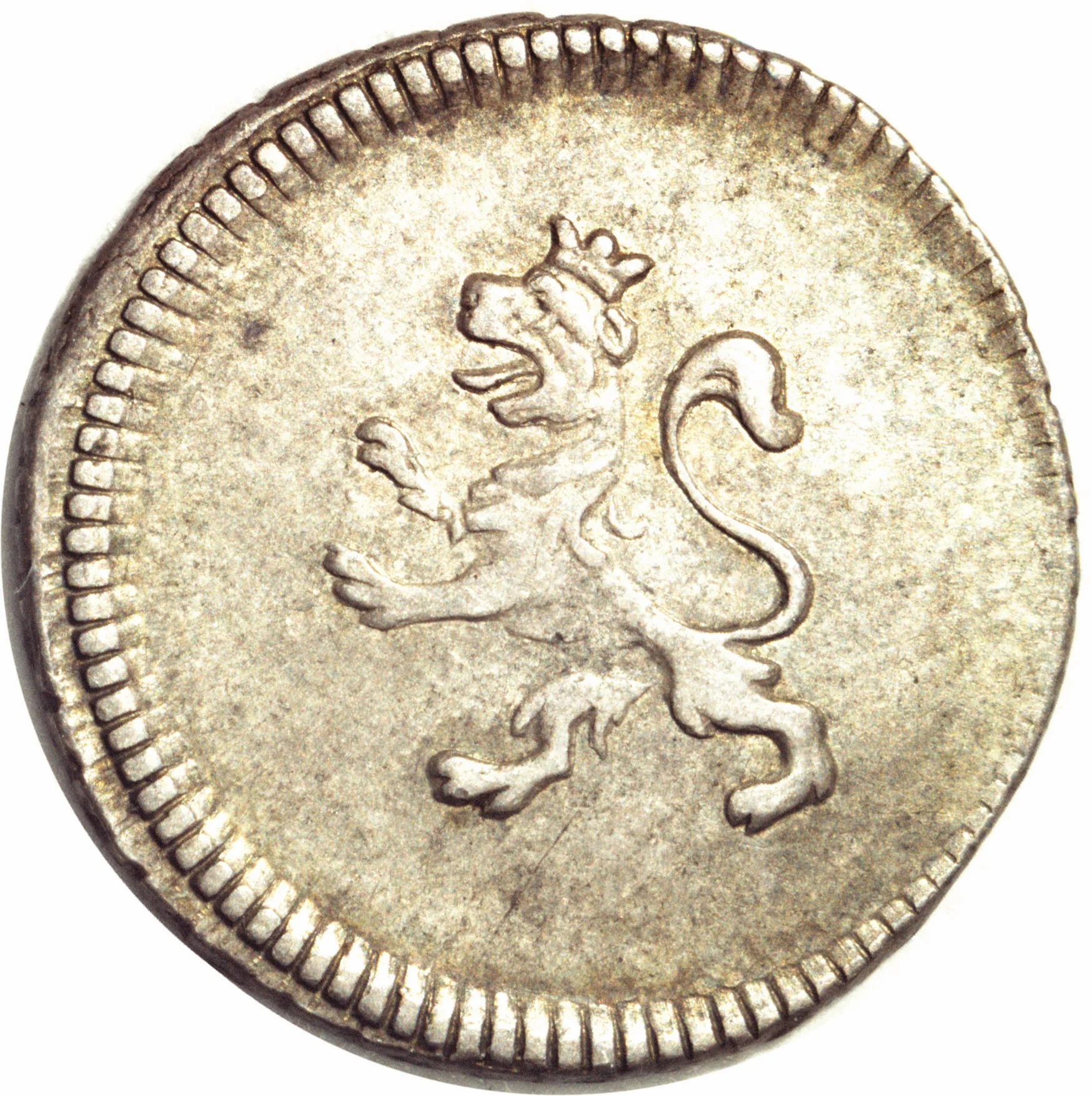
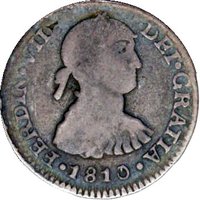
Obverse
Description:
Crowned lion.
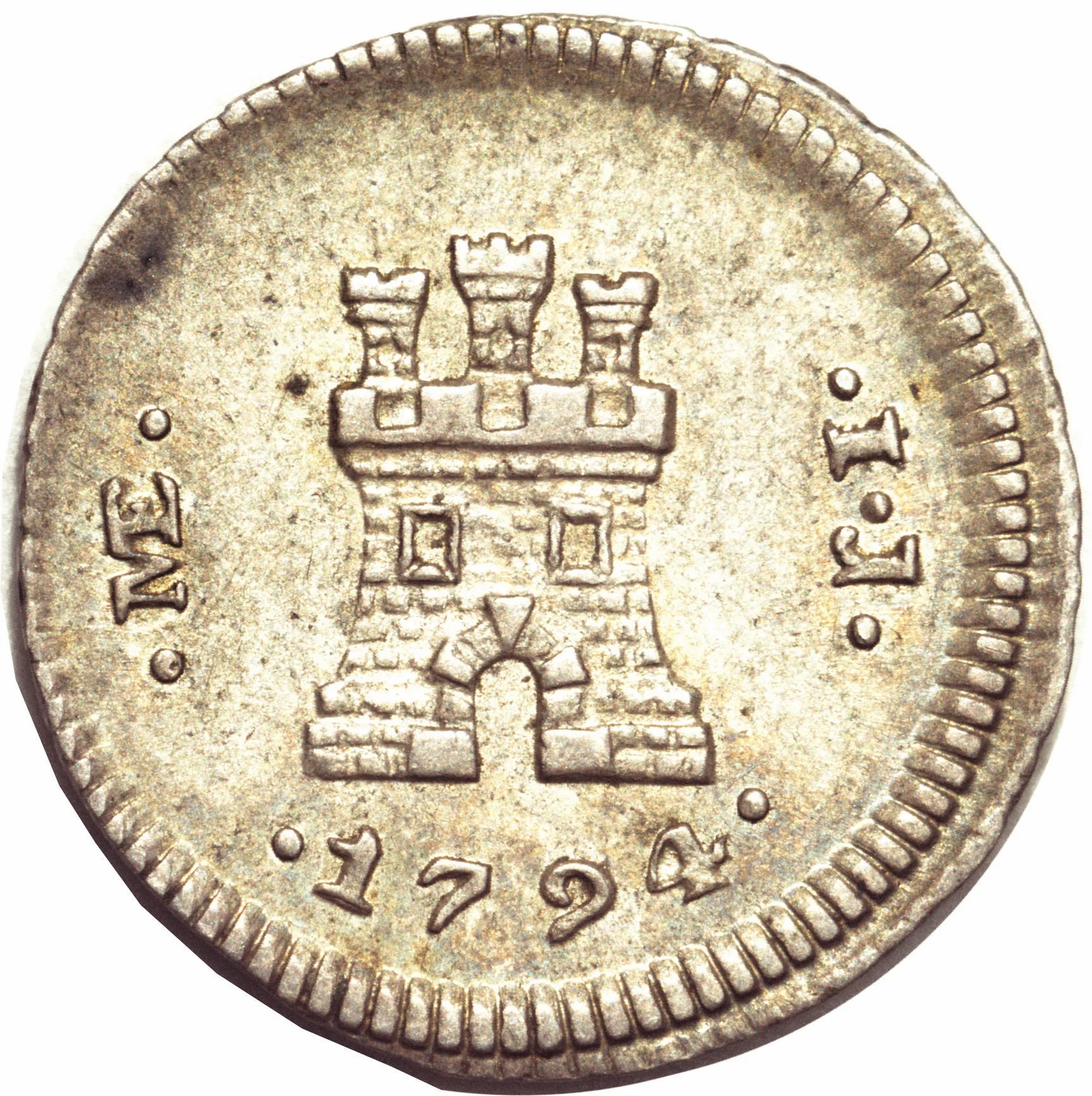
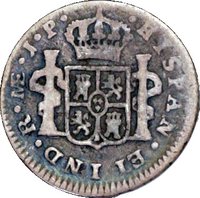
Reverse
Description:
Castle. L or LME left. Initials or 1/4 right.
Script: Latin
Edge
Mintings
| Year | Mint Mark | Mintage | Quality | Collection |
|---|---|---|---|---|
| 1794 | IJ | — | ||
| 1795 | JI | — | ||
| 1796 | L | — | ||
| 1797 | L | — | ||
| 1798 | L | — | ||
| 1799 | L | — | ||
| 1800 | L | — | ||
| 1801 | L | — | ||
| 1802 | L | — | ||
| 1803 | L | — | ||
| 1804 | L | — | ||
| 1805 | L | — | ||
| 1806 | L | — | ||
| 1807 | L | — | ||
| 1808 | L | — |
Historical background
In 1794, the Viceroyalty of Peru operated under a complex and strained monetary system inherited from Spanish colonial rule. The official currency was based on the silver real and the gold escudo, with the famous peso (or "piece of eight") being the dominant trade coin, containing roughly 27 grams of fine silver. The heart of this system was the Potosí mint (in modern-day Bolivia), which for centuries had turned the silver from the Cerro Rico mountain into coinage for the empire. However, by the late 18th century, the mint was producing coins of notoriously variable quality and fineness, a legacy of past debasements and fraud, which undermined confidence in the currency both within the viceroyalty and in international trade.
The currency situation was further complicated by a severe shortage of circulating specie, particularly small-denomination coins for everyday transactions. This scarcity was driven by several factors: the declining output of the Potosí mines, the heavy outflow of silver to Spain as royal revenue, and the increasing diversion of precious metals to finance other regions of the empire. To cope with this shortage, various forms of credit, barter, and unofficial tokens were used in local markets. Furthermore, the Bourbon Reforms, aimed at modernizing the empire's administration and economy, had disrupted traditional trade routes, redirecting silver through Buenos Aires instead of Lima, which exacerbated the monetary drain from Peru's core.
This precarious monetary environment existed on the brink of major upheaval. While 1794 itself was not a year of dramatic monetary reform, the systemic weaknesses—coin debasement, scarcity, and economic redirect—fueled local grievances and economic instability. Within two decades, these fiscal and monetary strains would contribute to the fertile ground for the wars of independence, which would eventually lead to the collapse of the Spanish colonial monetary system and the painful birth of Peru's own national currency.
The currency situation was further complicated by a severe shortage of circulating specie, particularly small-denomination coins for everyday transactions. This scarcity was driven by several factors: the declining output of the Potosí mines, the heavy outflow of silver to Spain as royal revenue, and the increasing diversion of precious metals to finance other regions of the empire. To cope with this shortage, various forms of credit, barter, and unofficial tokens were used in local markets. Furthermore, the Bourbon Reforms, aimed at modernizing the empire's administration and economy, had disrupted traditional trade routes, redirecting silver through Buenos Aires instead of Lima, which exacerbated the monetary drain from Peru's core.
This precarious monetary environment existed on the brink of major upheaval. While 1794 itself was not a year of dramatic monetary reform, the systemic weaknesses—coin debasement, scarcity, and economic redirect—fueled local grievances and economic instability. Within two decades, these fiscal and monetary strains would contribute to the fertile ground for the wars of independence, which would eventually lead to the collapse of the Spanish colonial monetary system and the painful birth of Peru's own national currency.
💎 Very Rare