

¼ thaler – Anhalt-Köthen
Add to wishlist
Germany
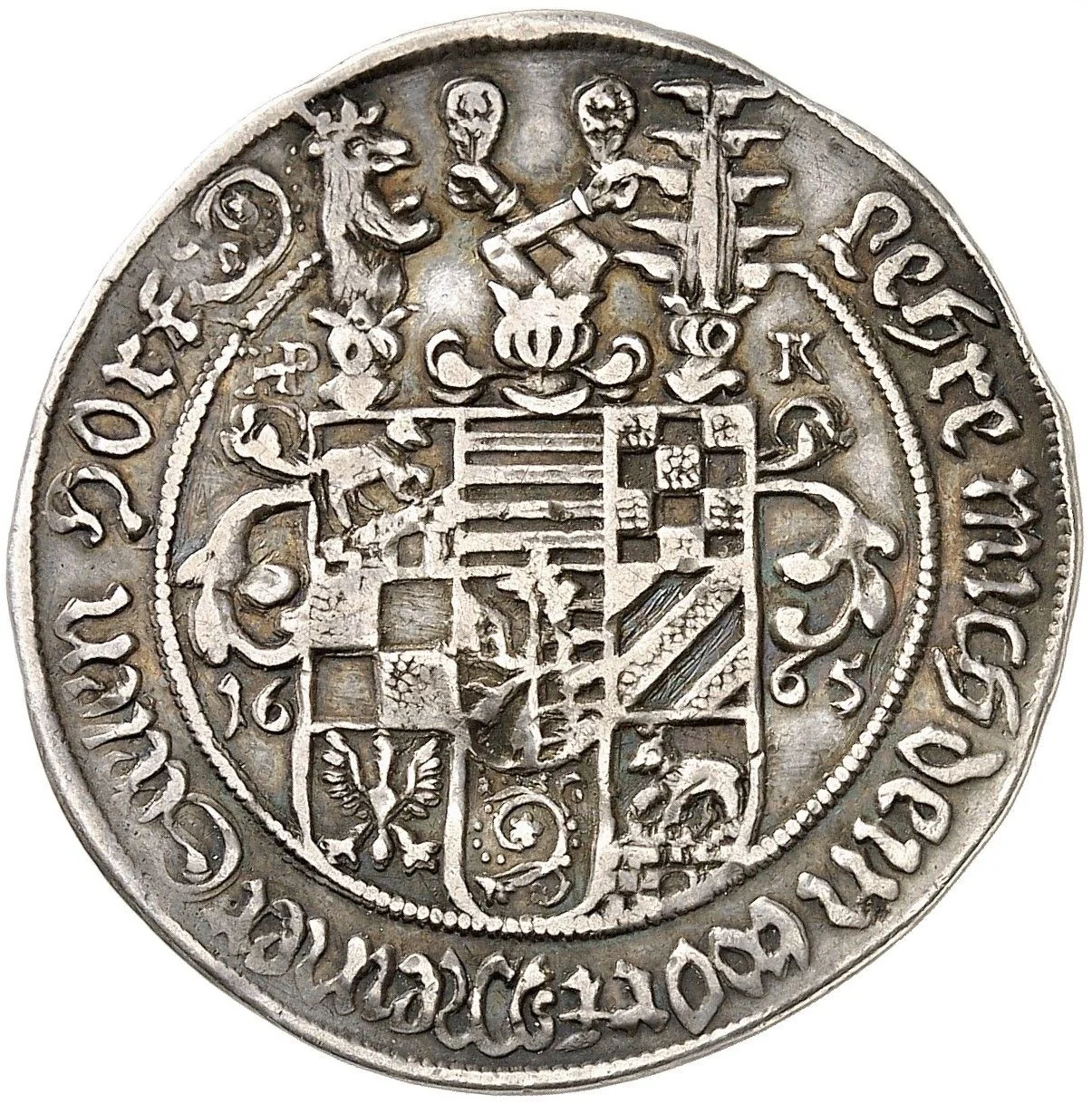
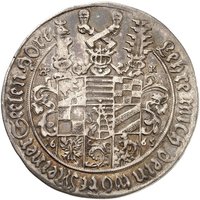
Obverse
Description:
Helmeted nine-armed.
Script: Latin (Fraktur blackletter)
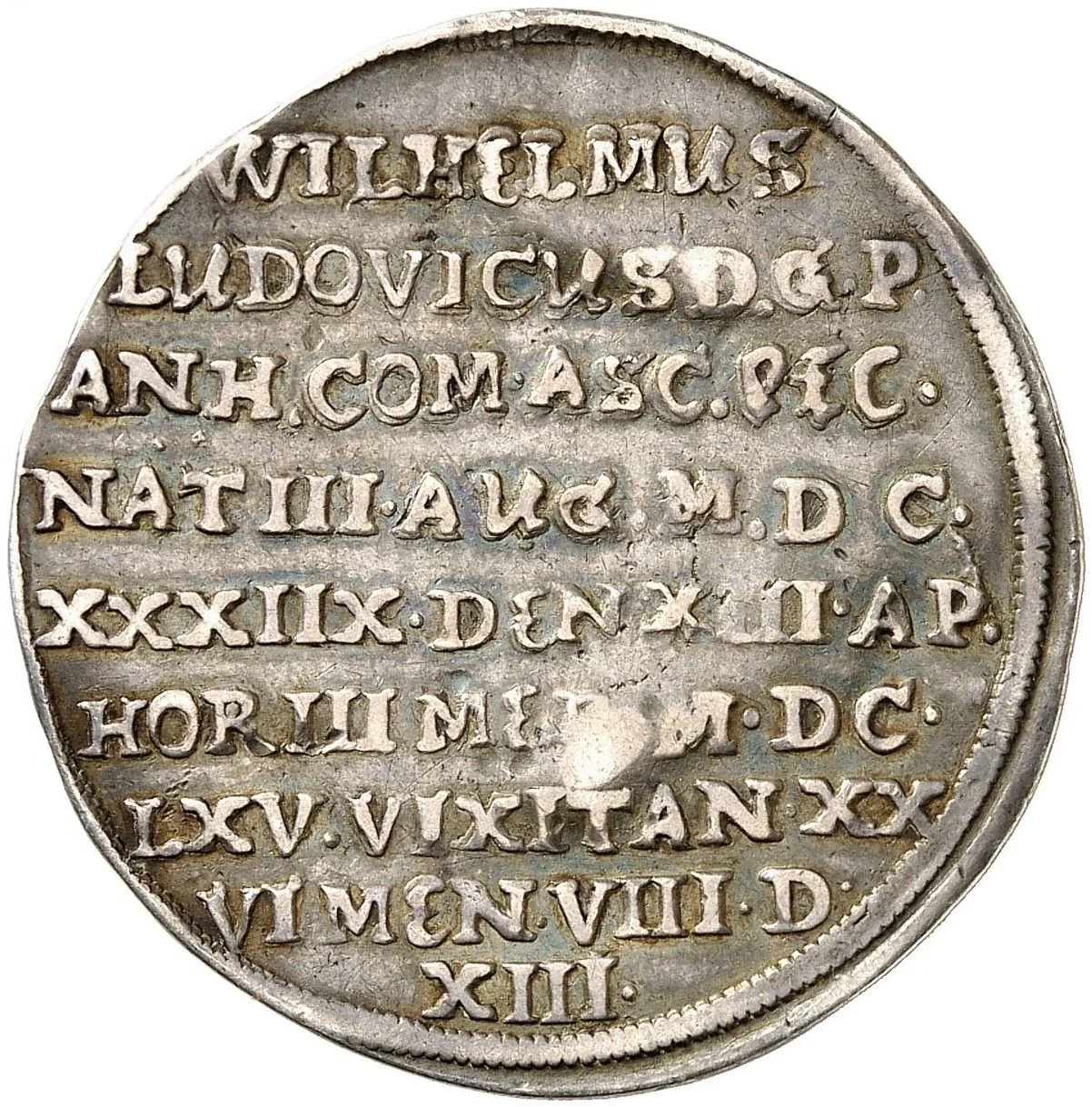
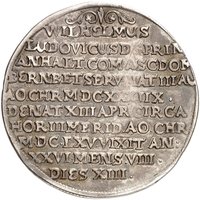
Reverse
Description:
Nine-line inscription.
Inscription:
WILHELMUS
LUDOVICUS D G P
ANH COM ASC DEC
NAT III AUG M D C
XXXIIX DENXIII AP
HOR III MED M DC
LXV VIXITAN XX
VIMEN VIII D
XIII
LUDOVICUS D G P
ANH COM ASC DEC
NAT III AUG M D C
XXXIIX DENXIII AP
HOR III MED M DC
LXV VIXITAN XX
VIMEN VIII D
XIII
Script: Latin
Edge
Mints
| Name | Mark |
|---|---|
| Eisleben | — |
Mintings
| Year | Mint Mark | Mintage | Quality | Collection |
|---|---|---|---|---|
| 1665 | — | — |
Historical background
In 1665, the currency situation in the small central German principality of Anhalt-Köthen was characterized by the pervasive instability and complexity common across the Holy Roman Empire. The region operated within a fractured monetary system where multiple coinage authorities—the Emperor, regional circles, and individual princes—competed, leading to a proliferation of coins of varying weight, purity, and value. Like its neighbors, Anhalt-Köthen faced the constant challenge of "bad money driving out good," as debased coins from elsewhere flooded the local economy, causing inflation and eroding public trust in the currency.
The principality itself held the right of minting (Münzregal), a privilege that was both a source of prestige and a tempting fiscal tool. Princes were often compelled to devalue coinage or issue inferior Kippermünzen (emergency coinage) to generate immediate revenue, particularly to pay for military obligations or to cover debts from the recent Thirty Years' War, which had ended just 17 years prior. In 1665, Prince Emmanuel of Anhalt-Köthen would have been navigating these pressures, balancing the need for state income against the economic damage caused by a loss of monetary confidence and the potential for reprimand from imperial authorities.
Consequently, daily commerce in Anhalt-Köthen relied heavily on the physical assessment and negotiation of individual coins. Traders and citizens needed expertise to identify the myriad circulating species, from Reichsthalers and Groschen to coins from neighboring Saxony and Brandenburg. The situation demanded repeated imperial interventions, like the Reichsmünzordnung (imperial minting ordinances), which aimed to standardize the monetary system but were largely ineffective in practice. Thus, in 1665, the currency landscape remained a localized, fragile, and confusing system that hampered trade and reflected the broader political fragmentation of the Empire.
The principality itself held the right of minting (Münzregal), a privilege that was both a source of prestige and a tempting fiscal tool. Princes were often compelled to devalue coinage or issue inferior Kippermünzen (emergency coinage) to generate immediate revenue, particularly to pay for military obligations or to cover debts from the recent Thirty Years' War, which had ended just 17 years prior. In 1665, Prince Emmanuel of Anhalt-Köthen would have been navigating these pressures, balancing the need for state income against the economic damage caused by a loss of monetary confidence and the potential for reprimand from imperial authorities.
Consequently, daily commerce in Anhalt-Köthen relied heavily on the physical assessment and negotiation of individual coins. Traders and citizens needed expertise to identify the myriad circulating species, from Reichsthalers and Groschen to coins from neighboring Saxony and Brandenburg. The situation demanded repeated imperial interventions, like the Reichsmünzordnung (imperial minting ordinances), which aimed to standardize the monetary system but were largely ineffective in practice. Thus, in 1665, the currency landscape remained a localized, fragile, and confusing system that hampered trade and reflected the broader political fragmentation of the Empire.
✨ Legendary