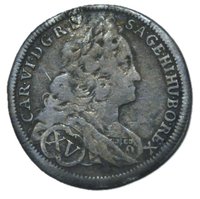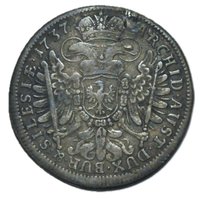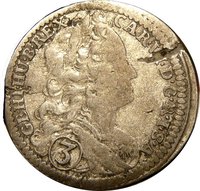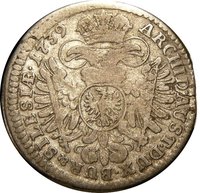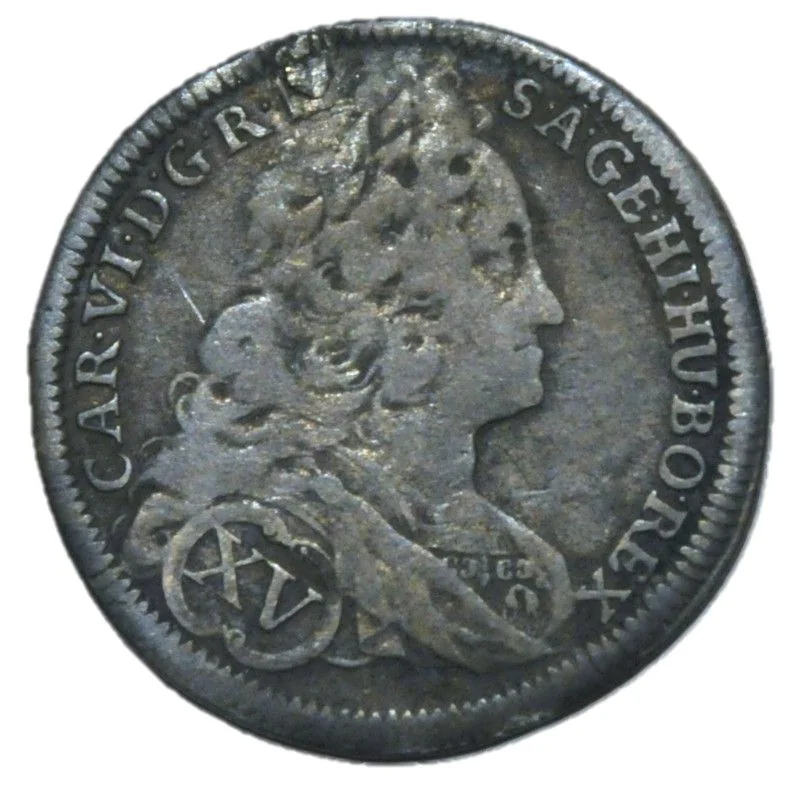
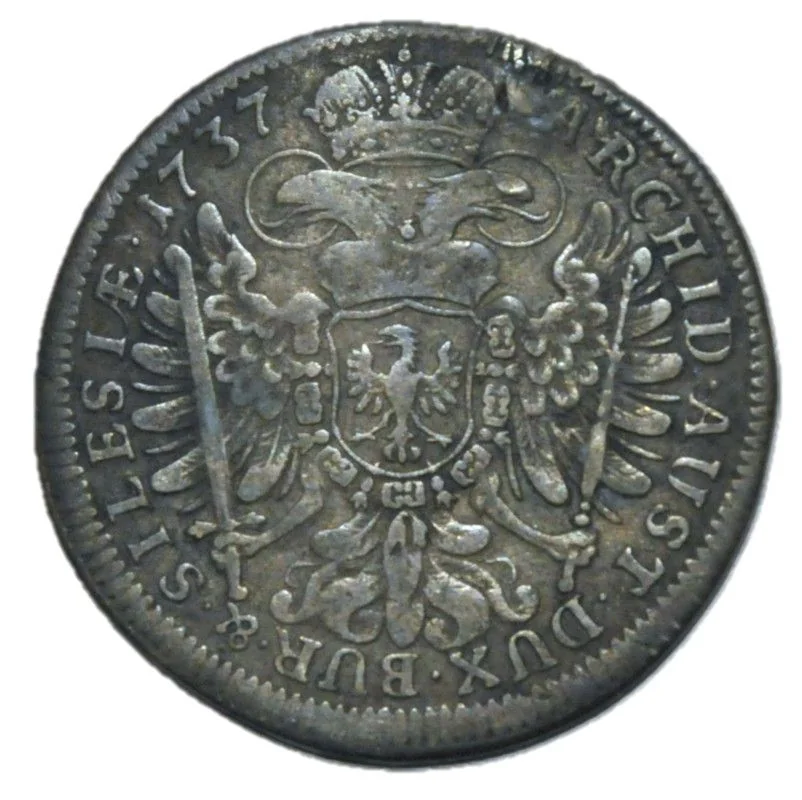
In 1733, the Royal Mint of Silesia, located in Breslau (present-day Wrocław), operated within a complex and strained monetary landscape. Following the Great Northern War and the economic disruptions of the early 18th century, the Polish-Lithuanian Commonwealth and the Habsburg-controlled lands of Silesia faced severe currency debasement and a flood of inferior coinage. The mint, like many in the region, was caught between the need to finance state expenditures and the imperative to stabilize circulating medium, leading to periodic reductions in the precious metal content of coins.
The specific situation in 1733 was heavily influenced by the political turmoil of the Polish Succession War, which began that year. This conflict disrupted trade and state finances, increasing pressure on mints to produce coinage to fund military campaigns. In Habsburg Silesia, this often meant issuing lower-quality subsidiary coinage. Furthermore, the region suffered from an influx of debased Saxon and Polish coins, which drove better-quality money out of circulation according to Gresham's Law, exacerbating inflation and public distrust in the currency.
Consequently, the Royal Mint of Silesia in 1733 was likely engaged in a defensive recoinage effort, attempting to control the standard of currency within its jurisdiction. Its operations would have been a focal point of economic policy, aiming to withdraw lightweight and counterfeit coins while issuing new pieces at the official Habsburg standard, a costly and technically challenging process. This struggle to maintain monetary integrity amidst political warfare and economic instability was a defining feature of the mint's role in that turbulent year.