

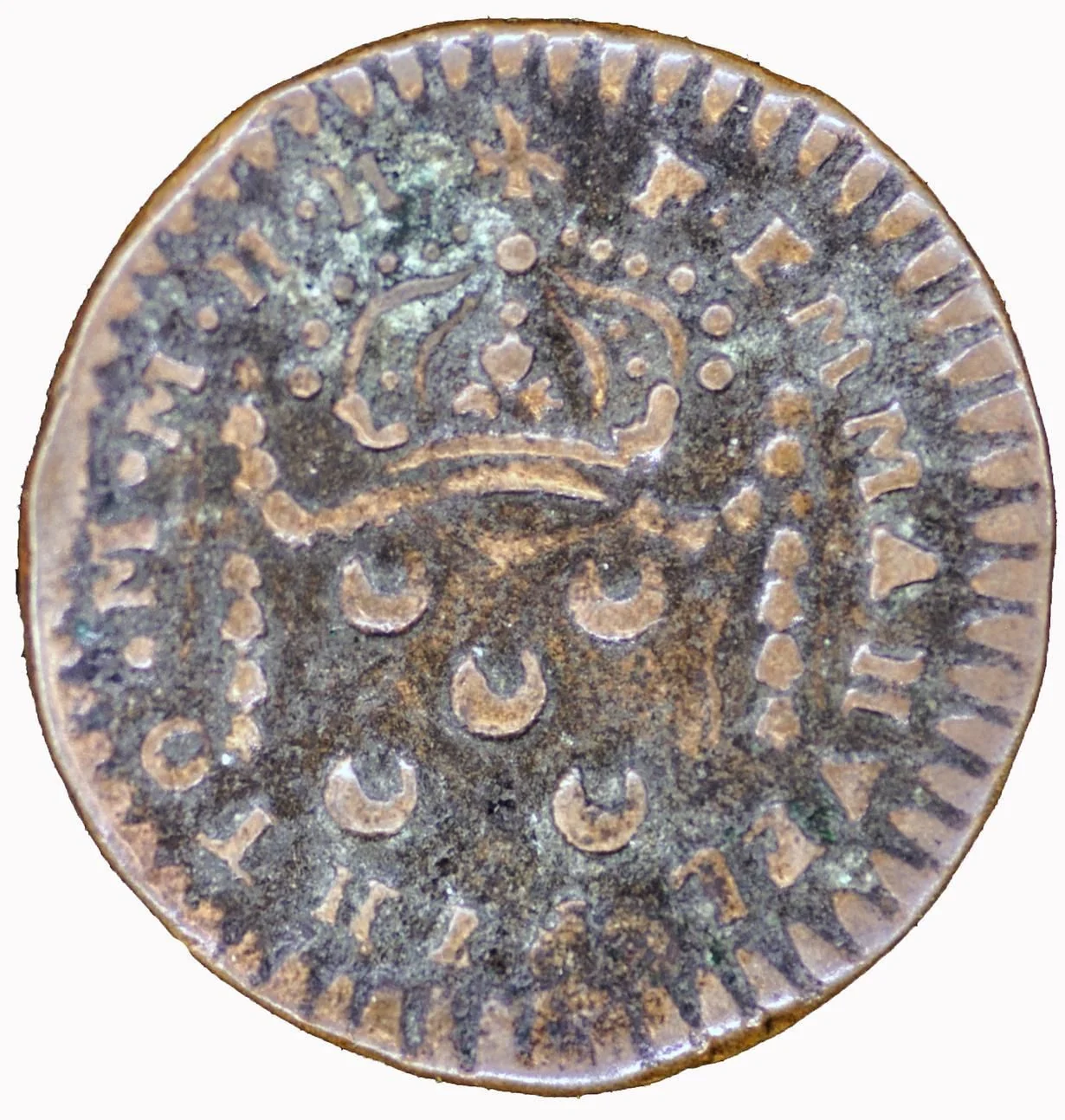
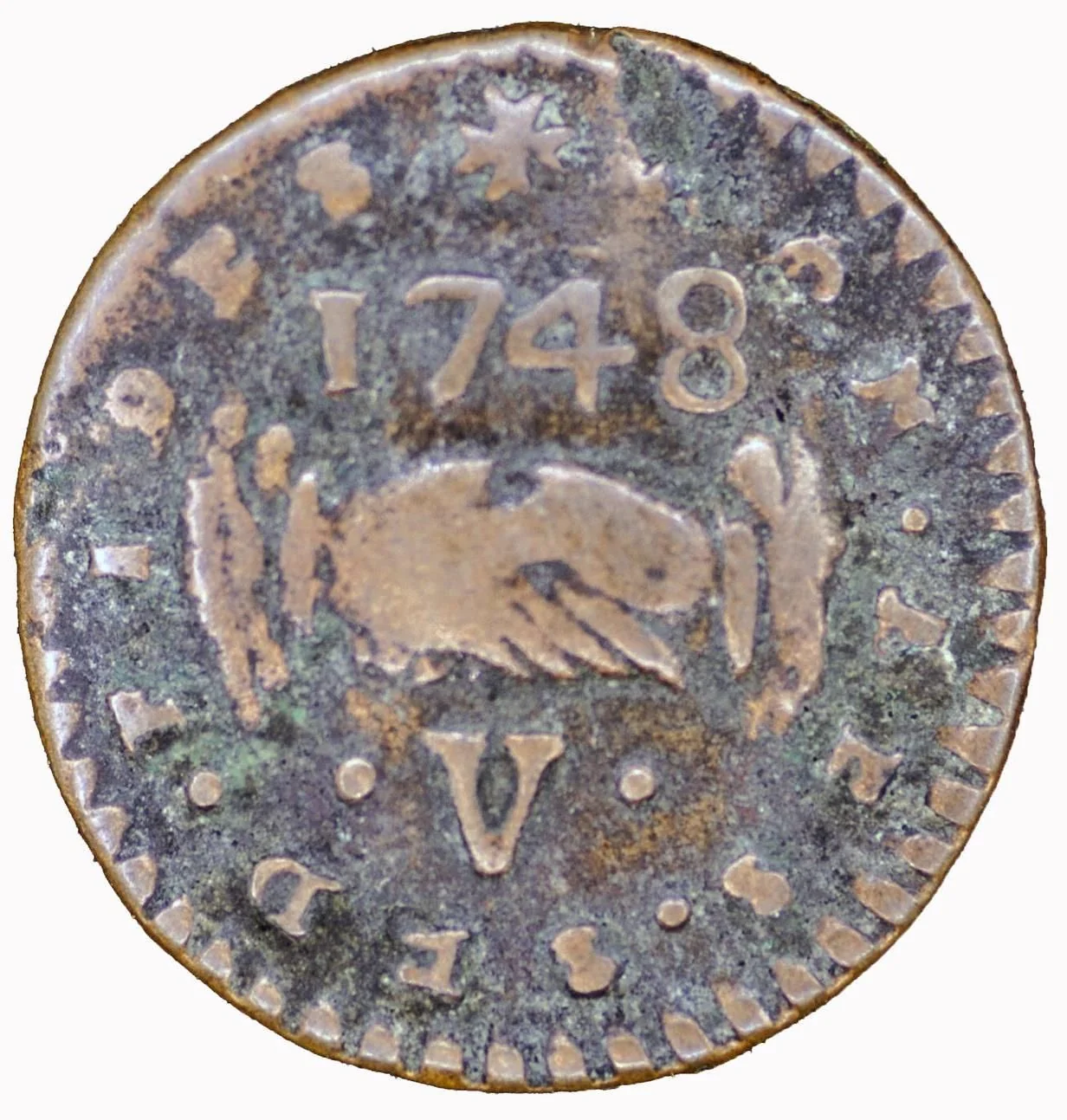
5 Grani – Malta
Malta
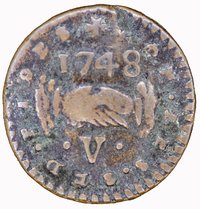
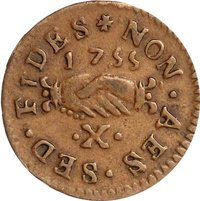
Obverse
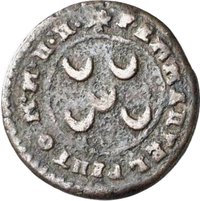
Reverse
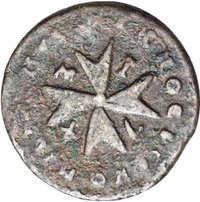
Edge
Mintings
| Year | Mint Mark | Mintage | Quality | Collection |
|---|---|---|---|---|
| 1748 | — | — |
Historical background
In 1748, Malta's currency situation was a complex tapestry reflecting its dual role as a strategic Mediterranean fortress and a bustling trading hub under the rule of the Knights of St. John. The primary unit of account was the scudo, divided into 12 tari, each of 20 grani. However, the actual coins in circulation were a chaotic mix. Alongside limited local Maltese coinage, a vast array of foreign silver and gold coins from Spain, France, Italy, and the Ottoman Empire circulated freely, their value determined by weight and precious metal content rather than a fixed face value. This created a perpetual need for money-changers and made commercial transactions cumbersome and prone to dispute.
The root of this monetary disorder lay in chronic trade imbalances. As a small island with limited resources, Malta imported far more than it exported, causing a constant outflow of full-weight silver and gold coinage. This left behind a degraded circulation of underweight and clipped foreign coins, eroding trust in the medium of exchange. The Knights' mint struggled to maintain an adequate supply of sound local currency, and attempts to regulate the values of the myriad foreign coins through official bando proclamations were frequent but often ineffective in practice.
Consequently, the economy in 1748 operated in a state of monetary uncertainty that hampered commerce and complicated governance. The situation was a significant concern for both the Order, which needed a stable economy to fund its military and naval operations, and the Maltese merchant community. This instability would eventually lead to more substantive reforms later in the century, but in 1748, Malta remained a monetary bazaar where the value of money was as fluid as the sea that surrounded the island.
The root of this monetary disorder lay in chronic trade imbalances. As a small island with limited resources, Malta imported far more than it exported, causing a constant outflow of full-weight silver and gold coinage. This left behind a degraded circulation of underweight and clipped foreign coins, eroding trust in the medium of exchange. The Knights' mint struggled to maintain an adequate supply of sound local currency, and attempts to regulate the values of the myriad foreign coins through official bando proclamations were frequent but often ineffective in practice.
Consequently, the economy in 1748 operated in a state of monetary uncertainty that hampered commerce and complicated governance. The situation was a significant concern for both the Order, which needed a stable economy to fund its military and naval operations, and the Maltese merchant community. This instability would eventually lead to more substantive reforms later in the century, but in 1748, Malta remained a monetary bazaar where the value of money was as fluid as the sea that surrounded the island.
✨ Legendary