

3 Pfennigs – Lippe
Germany

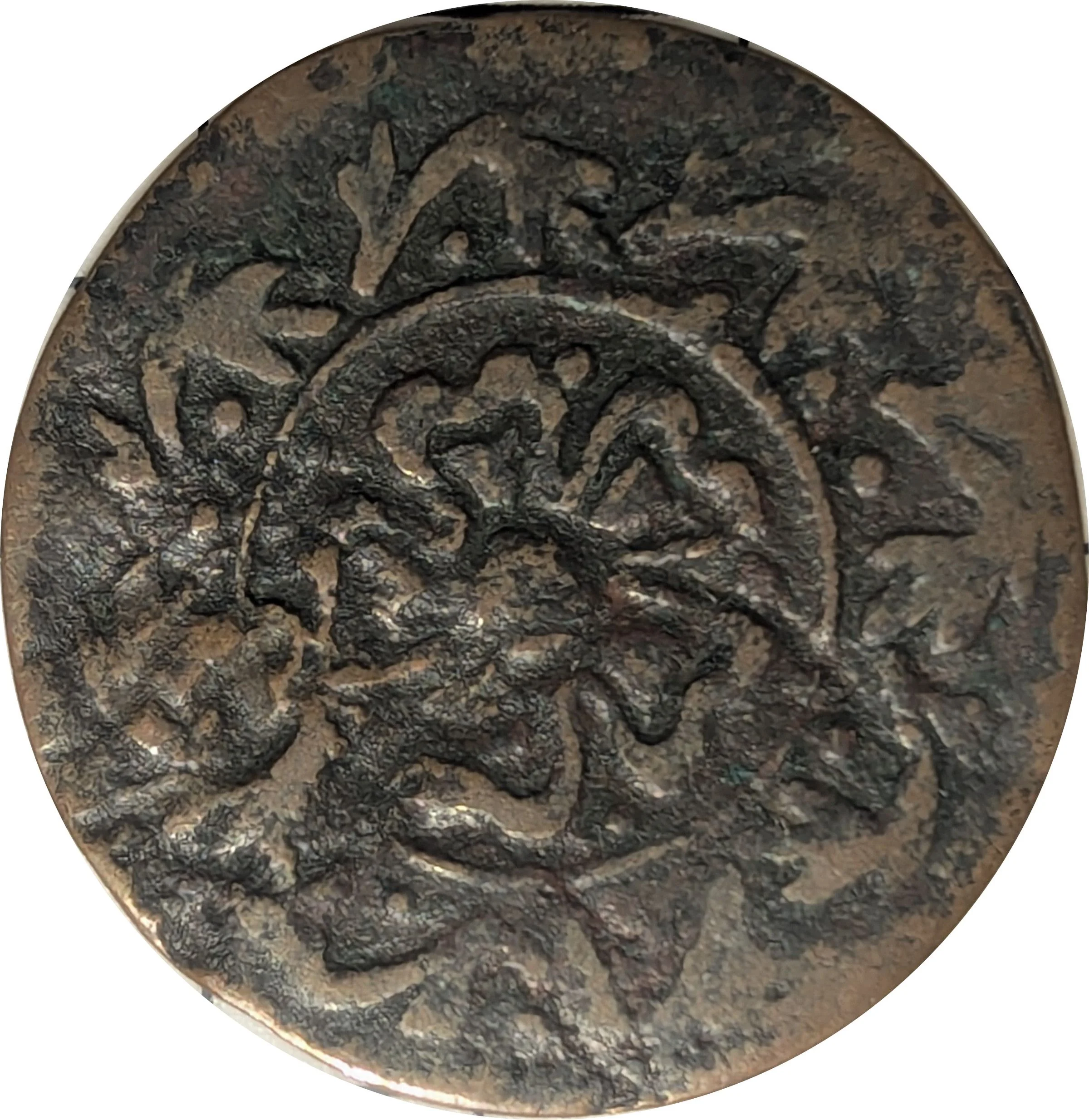
Obverse
Description:
Rose encircled by decorative motifs.
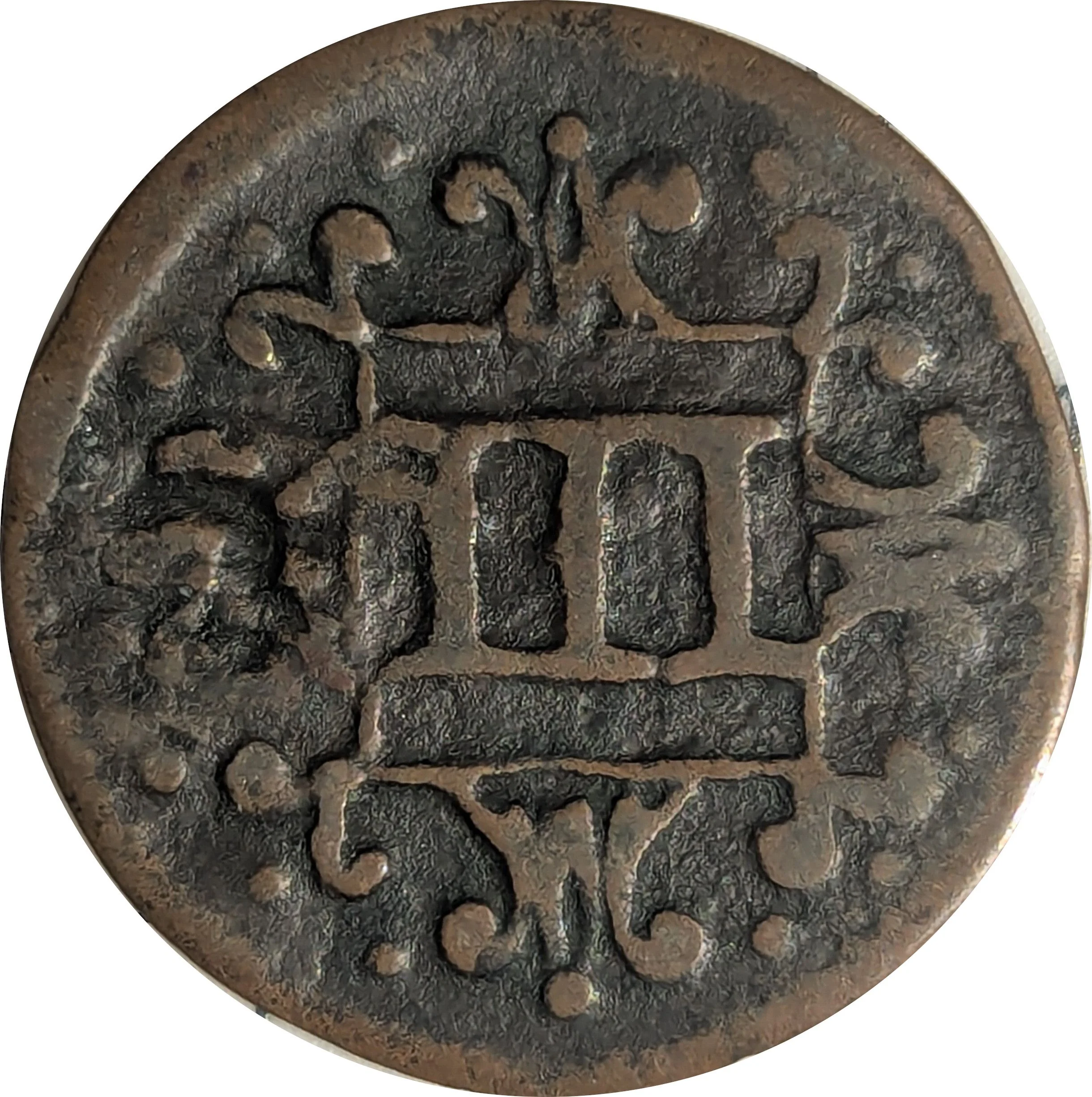
Reverse
Description:
Denomination in ornate frame.
Inscription:
III
Edge
Plain
Mintings
| Year | Mint Mark | Mintage | Quality | Collection |
|---|---|---|---|---|
| 1619 | — | — |
Historical background
In 1619, the County of Lippe, a small territory within the Holy Roman Empire, was navigating a complex and deteriorating monetary environment typical of the Kipper und Wipperzeit (the "Clipping and Swinging" period). This was an era of severe currency debasement and inflation, where numerous German states, facing immense financial pressure from the impending Thirty Years' War (which began in 1618), began minting vast quantities of underweight and low-purity coins. The primary driver was seigniorage—the profit made from minting—as rulers sought to fund military preparations and state expenses by reducing the precious metal content in their coinage.
Count Simon VII zur Lippe-Detmold, while considered a relatively prudent ruler, was not immune to these pressures. The economic stability of his county was threatened by the influx of "bad money" from neighboring states, which drove "good money" (full-weight coins) out of circulation, in accordance with Gresham's Law. This created a chaotic marketplace where the value of coins was unstable, trade was disrupted, and the populace suffered from rising prices. Lippe's own minting activity, while less aggressive than some larger territories, was likely influenced by the need to compete in this debased monetary ecosystem and to generate necessary revenue.
Consequently, the currency situation in Lippe in 1619 was one of localized crisis within a wider imperial breakdown. The county's economy was entangled in a web of competitive devaluation, where the trust in coinage was eroding daily. This financial instability preceded the full-scale military devastation that the Thirty Years' War would soon bring to the region, compounding the hardships faced by Lippe's residents and challenging the administrative acumen of its count.
Count Simon VII zur Lippe-Detmold, while considered a relatively prudent ruler, was not immune to these pressures. The economic stability of his county was threatened by the influx of "bad money" from neighboring states, which drove "good money" (full-weight coins) out of circulation, in accordance with Gresham's Law. This created a chaotic marketplace where the value of coins was unstable, trade was disrupted, and the populace suffered from rising prices. Lippe's own minting activity, while less aggressive than some larger territories, was likely influenced by the need to compete in this debased monetary ecosystem and to generate necessary revenue.
Consequently, the currency situation in Lippe in 1619 was one of localized crisis within a wider imperial breakdown. The county's economy was entangled in a web of competitive devaluation, where the trust in coinage was eroding daily. This financial instability preceded the full-scale military devastation that the Thirty Years' War would soon bring to the region, compounding the hardships faced by Lippe's residents and challenging the administrative acumen of its count.
✨ Legendary