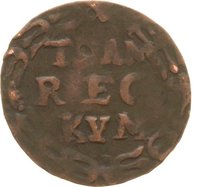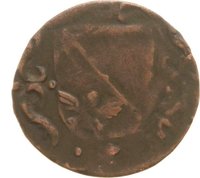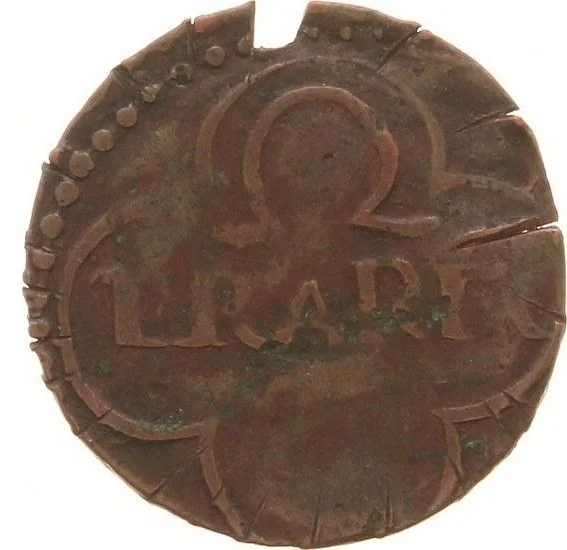
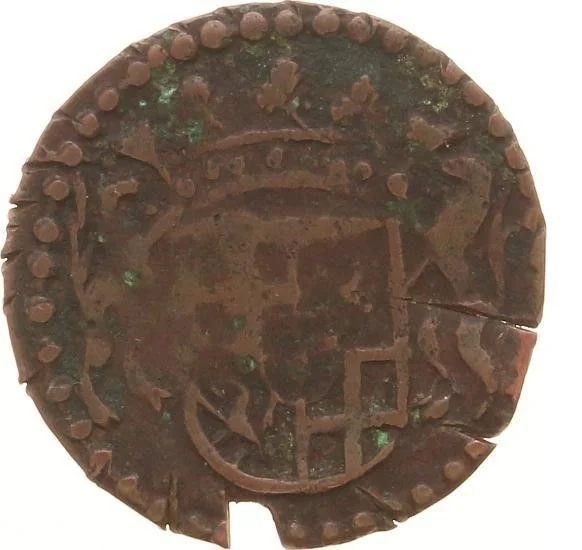
In the year 1680, the Lordship of Reckheim, a minor but strategically located German territory within the Holy Roman Empire, finds its currency situation defined by complexity and external dependence. Like most small states of the era, Reckheim lacks the economic power to maintain a stable, exclusive coinage of its own. Consequently, its monetary landscape is a chaotic jumble of circulating foreign coins, primarily heavy
Reichsthalers from larger imperial mints, various silver
Groschen, and a flood of debased minor coins from neighboring principalities. The official Reckheim penny, minted in small quantities, holds little practical authority against this tide of external currency.
This monetary fragmentation creates significant challenges for trade and governance. Merchants and tax collectors must constantly assess the weight, silver content, and legitimacy of dozens of coin types, leading to frequent disputes. The Lordship’s finances are strained by the need to periodically "call in" and re-mint coins to try and extract seigniorage revenue, a process that often erodes public trust. Furthermore, the value of money in Reckheim is largely at the mercy of the monetary policies of more powerful states like Bavaria or the Archbishopric of Mainz, whose decisions to debase their own coinage directly impoverish Reckheim’s holdings.
Therefore, the currency "situation" is one of vulnerable dependency. Lord Reinhardt II’s council is likely preoccupied with monetary ordinances that attempt to fix exchange rates between various coins—a largely futile exercise—and with policing against counterfeiters and clippers who thrive in the chaotic environment. The real power over Reckheim’s economic well-being lies not within its own mint, but in the financial stability and integrity of the Empire’s larger political players, making its monetary system a persistent source of administrative headache and economic insecurity.