

6 Copper Öre – Sweden
Sweden
Context
Material
References
KM: #Click to copy to clipboard485
Numista: #43957
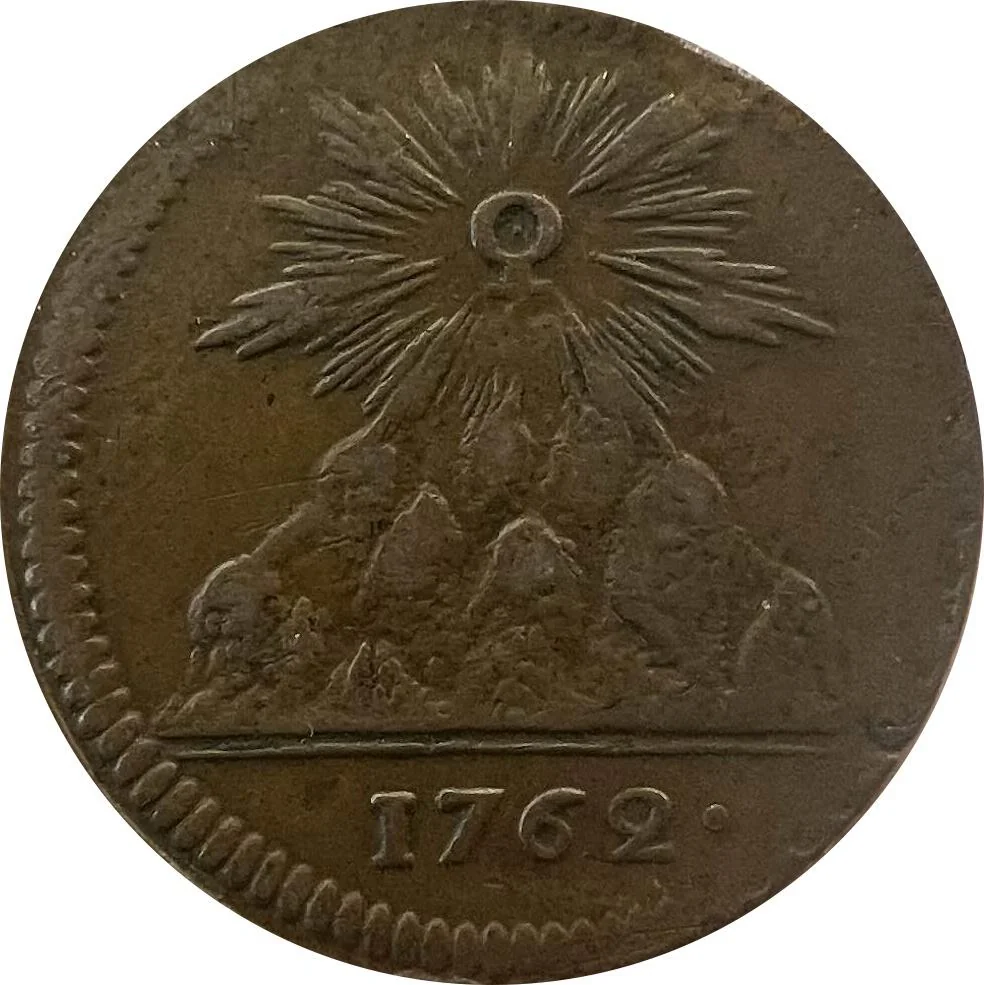
Obverse
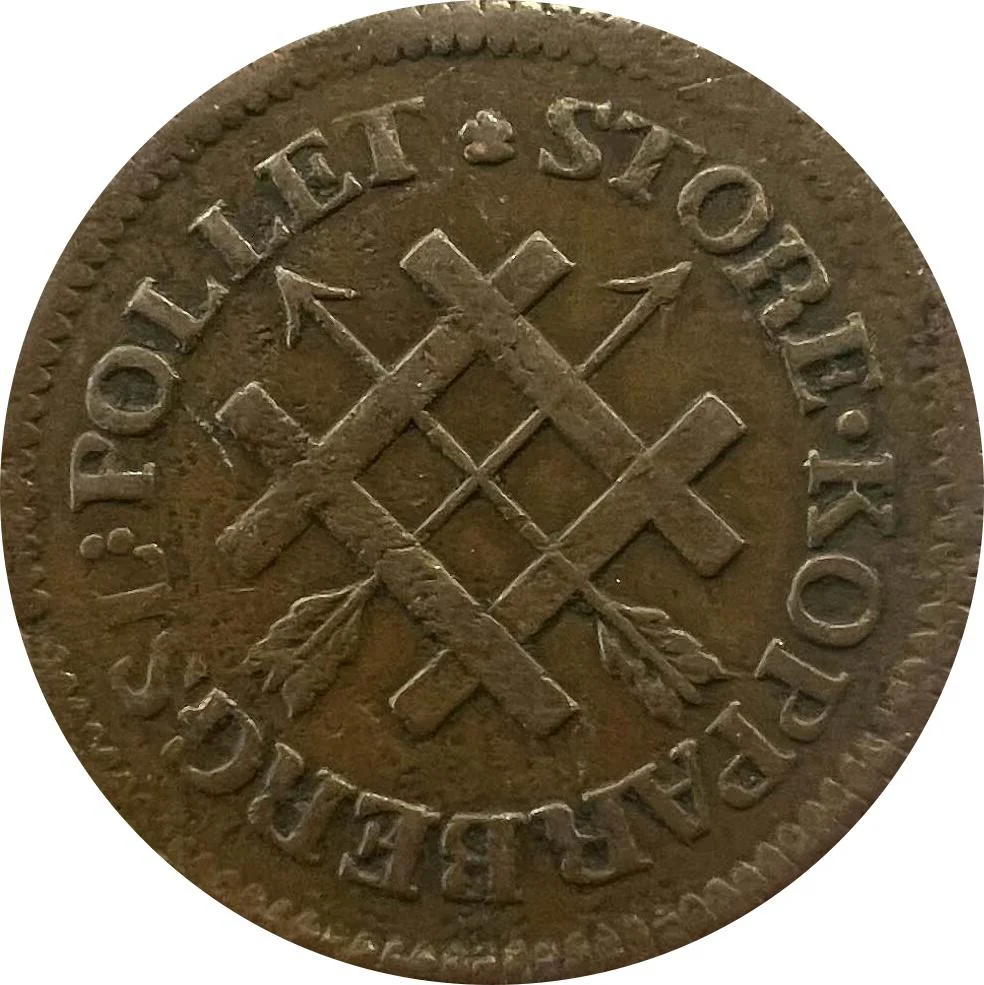
Reverse
Description:
# with two arrows between lines, lettering around.
Inscription:
STORE KOPPAR BERG S L POLLET
Script: Latin
Edge
Mintings
| Year | Mint Mark | Mintage | Quality | Collection |
|---|---|---|---|---|
| 1762 | — | — | ||
| 1763 | — | — | ||
| 1765 | — | — |
Historical background
In 1762, Sweden found itself in a precarious monetary crisis, a direct consequence of its involvement in the costly Pomeranian War (1757–1762), part of the larger Seven Years' War. To finance the conflict, the Riksdag (parliament) and the Hat party government, under heavy French influence, had abandoned the silver-based daler and resorted to the unrestrained printing of paper money known as riksgäldssedlar. This fiat currency, issued by the National Debt Office (Riksgäldskontoret), was not backed by precious metals but merely by a promise of future redemption, leading to a rapid loss of public confidence and severe inflation.
The situation reached a critical point in 1762 as the volume of circulating paper money skyrocketed while its value plummeted. Prices for essential goods soared, causing widespread hardship among the populace and crippling the real economy. The silver daler coin, which retained its intrinsic value, largely disappeared from circulation as it was hoarded, following Gresham's Law where "bad money drives out good." This created a destructive cycle where the government, facing empty coffers and ongoing war expenses, was forced to print even more devalued notes to pay its debts, further accelerating the inflationary spiral.
This currency collapse had profound political repercussions. It discredited the ruling Hats and became a central issue in the fierce factional struggle with the Caps (Mössorna), who criticized the financial mismanagement. The crisis set the stage for a dramatic shift in power, culminating in the Caps' victory in the 1765–1766 Riksdag. Their subsequent efforts to restore monetary stability, including a painful plan to recall and devalue the paper money, would define Swedish economic policy in the years following the war, leaving 1762 as a stark year of financial distress and a turning point in Sweden's Age of Liberty.
The situation reached a critical point in 1762 as the volume of circulating paper money skyrocketed while its value plummeted. Prices for essential goods soared, causing widespread hardship among the populace and crippling the real economy. The silver daler coin, which retained its intrinsic value, largely disappeared from circulation as it was hoarded, following Gresham's Law where "bad money drives out good." This created a destructive cycle where the government, facing empty coffers and ongoing war expenses, was forced to print even more devalued notes to pay its debts, further accelerating the inflationary spiral.
This currency collapse had profound political repercussions. It discredited the ruling Hats and became a central issue in the fierce factional struggle with the Caps (Mössorna), who criticized the financial mismanagement. The crisis set the stage for a dramatic shift in power, culminating in the Caps' victory in the 1765–1766 Riksdag. Their subsequent efforts to restore monetary stability, including a painful plan to recall and devalue the paper money, would define Swedish economic policy in the years following the war, leaving 1762 as a stark year of financial distress and a turning point in Sweden's Age of Liberty.
⭐ Rare