

Iran
Context
Material
Diameter: 15 mm
Weight: 2.72 g
Gold weight: 2.72 g
Shape: Irregular round
Composition: Gold
Magnetic: No
Technique: Hammered
References
KM: #Click to copy to clipboard604.3
Numista: #437666
Value
Bullion value: $454.28
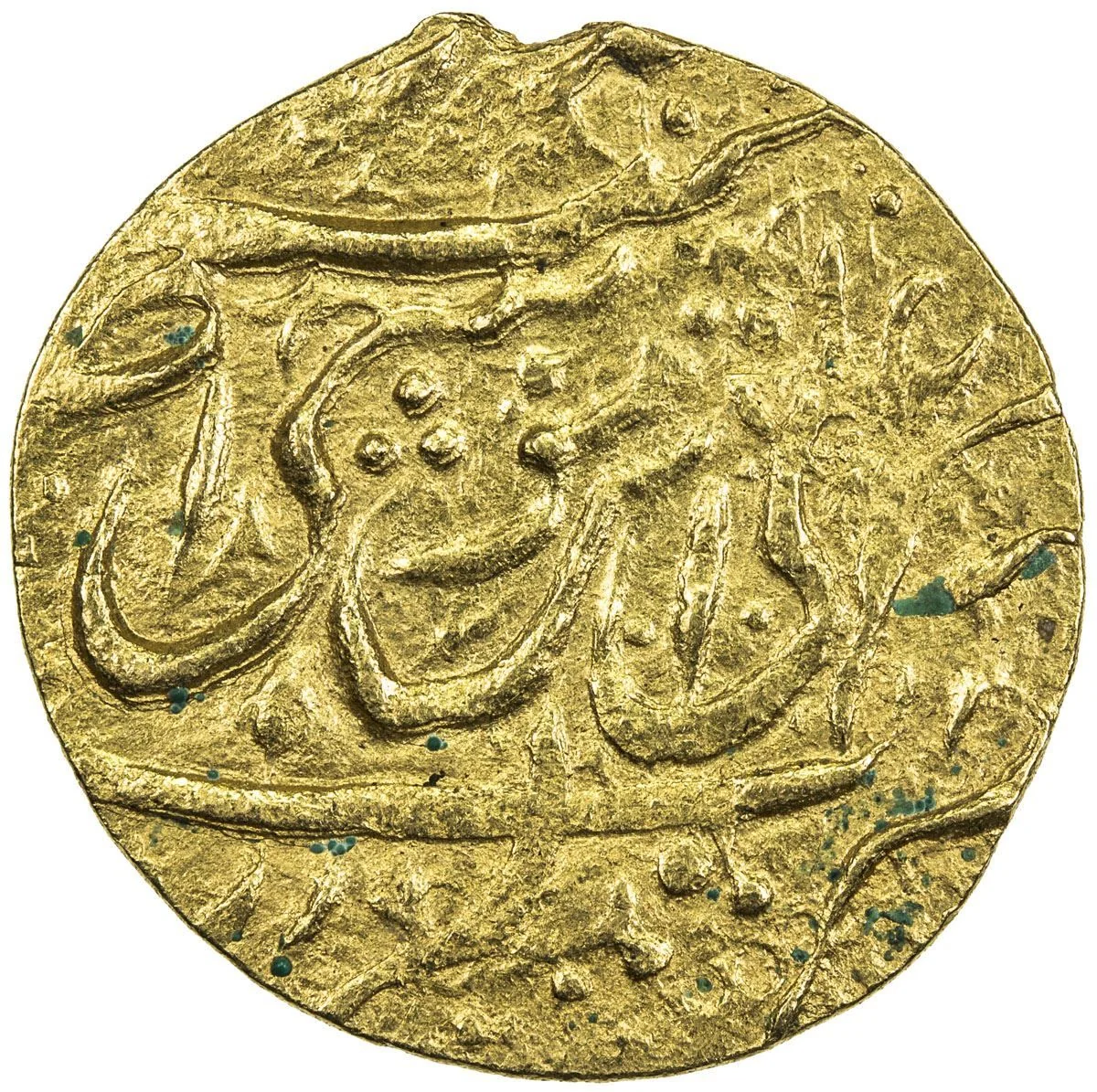
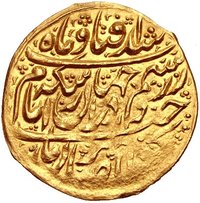
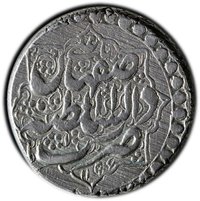
Obverse
Description:
Kalima inscription.
Inscription:
بزار سکه از میمنات زاد قضا
به نام علی بن موسی الرضا
به نام علی بن موسی الرضا
Script: Persian
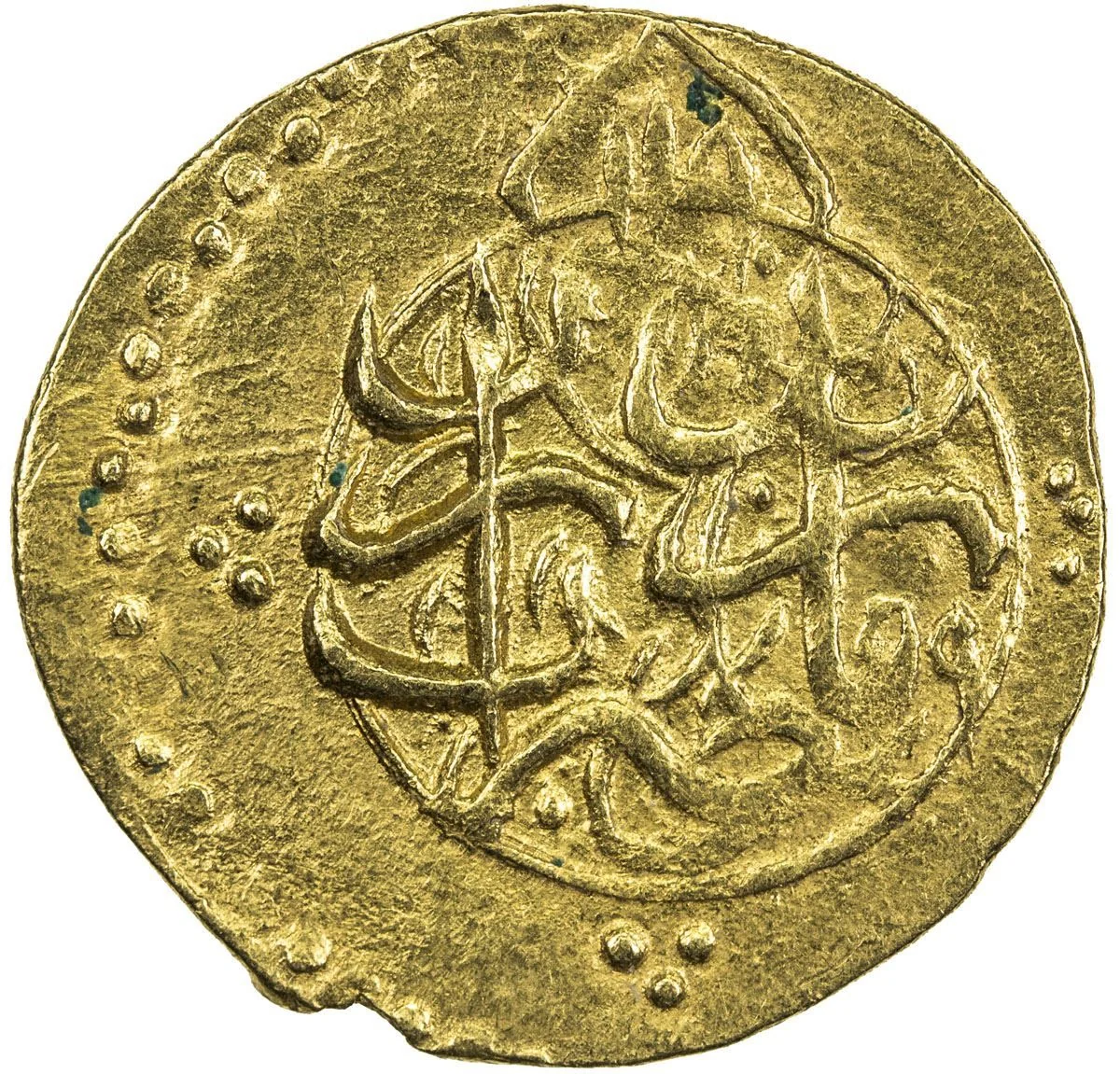
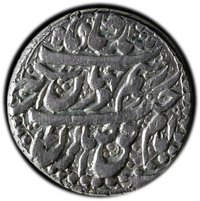
Reverse
Description:
Inscription in inner circle with mint and date. Three pellets at 3, 6, and 9 o'clock, all within a beaded border.
Inscription:
١١٩١
ضرب مازندران
ضرب مازندران
Script: Persian
Edge
Mints
| Name | Mark |
|---|---|
| Mazandaran Province, Tabaristan | مازندران |
Mintings
| Year | Mint Mark | Mintage | Quality | Collection |
|---|---|---|---|---|
| 1781 | — | — | ||
| 1783 | — | — | ||
| 1785 | — | — |
Historical background
In 1781, Iran was under the rule of the Zand dynasty, with Karim Khan Zand (r. 1751-1779) having recently died, plunging the country into a renewed phase of instability and civil war among his successors. This political fragmentation directly crippled the monetary system. The central minting authority, crucial for a uniform currency, had broken down, with rival claimants to power in cities like Shiraz, Isfahan, and Tehran issuing their own coinage to fund their military campaigns and assert sovereignty. This resulted in a proliferation of coins of varying weight, purity, and design, severely undermining public trust in the currency's value.
The primary circulating currency was the silver rial and its fractional units, but the era was characterized by chronic debasement. To finance near-constant warfare, regional rulers and tribal leaders would often reduce the silver content in newly minted coins while ordering them to have the same face value as older, purer ones. This practice, essentially a form of inflation, eroded purchasing power and disrupted trade. Merchants and the public became wary, leading to hoarding of older, high-quality coins (Gresham's Law in practice), which further contracted the money supply and hampered economic activity.
Consequently, the currency situation in 1781 was one of profound disorder and uncertainty, mirroring the political chaos. Long-distance trade and the economy suffered from the lack of a reliable medium of exchange, as the value of money could change drastically depending on who issued it and when. This monetary instability weakened the overall economy, making recovery from the earlier turmoil of the 18th century impossible and setting the stage for the rise of the Qajar dynasty, which would eventually impose a new, but still problematic, monetary order.
The primary circulating currency was the silver rial and its fractional units, but the era was characterized by chronic debasement. To finance near-constant warfare, regional rulers and tribal leaders would often reduce the silver content in newly minted coins while ordering them to have the same face value as older, purer ones. This practice, essentially a form of inflation, eroded purchasing power and disrupted trade. Merchants and the public became wary, leading to hoarding of older, high-quality coins (Gresham's Law in practice), which further contracted the money supply and hampered economic activity.
Consequently, the currency situation in 1781 was one of profound disorder and uncertainty, mirroring the political chaos. Long-distance trade and the economy suffered from the lack of a reliable medium of exchange, as the value of money could change drastically depending on who issued it and when. This monetary instability weakened the overall economy, making recovery from the earlier turmoil of the 18th century impossible and setting the stage for the rise of the Qajar dynasty, which would eventually impose a new, but still problematic, monetary order.
✨ Legendary