

1 skilling – Denmark
Add to wishlist
Denmark
Context
Material
References
KM: #
Numista: #43515
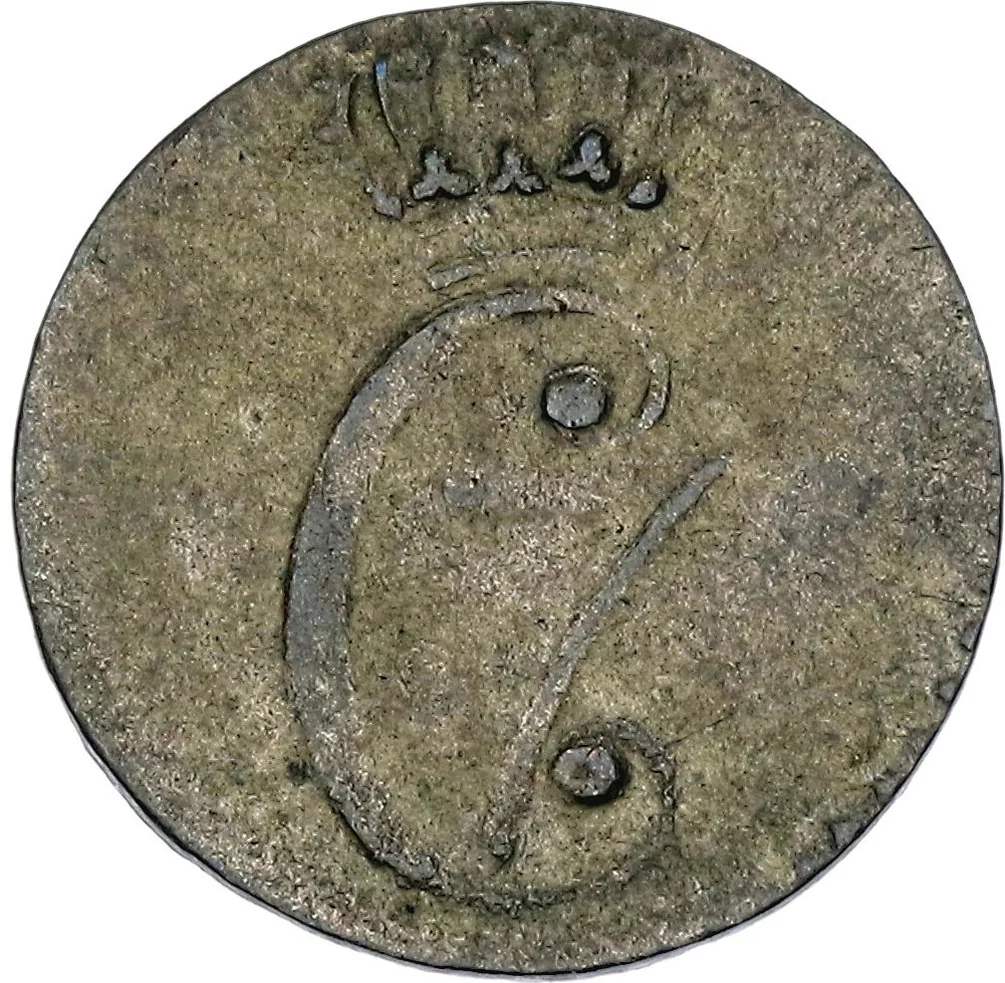
Obverse
Description:
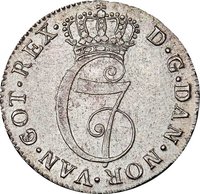
Royal Cypher
Script: Latin
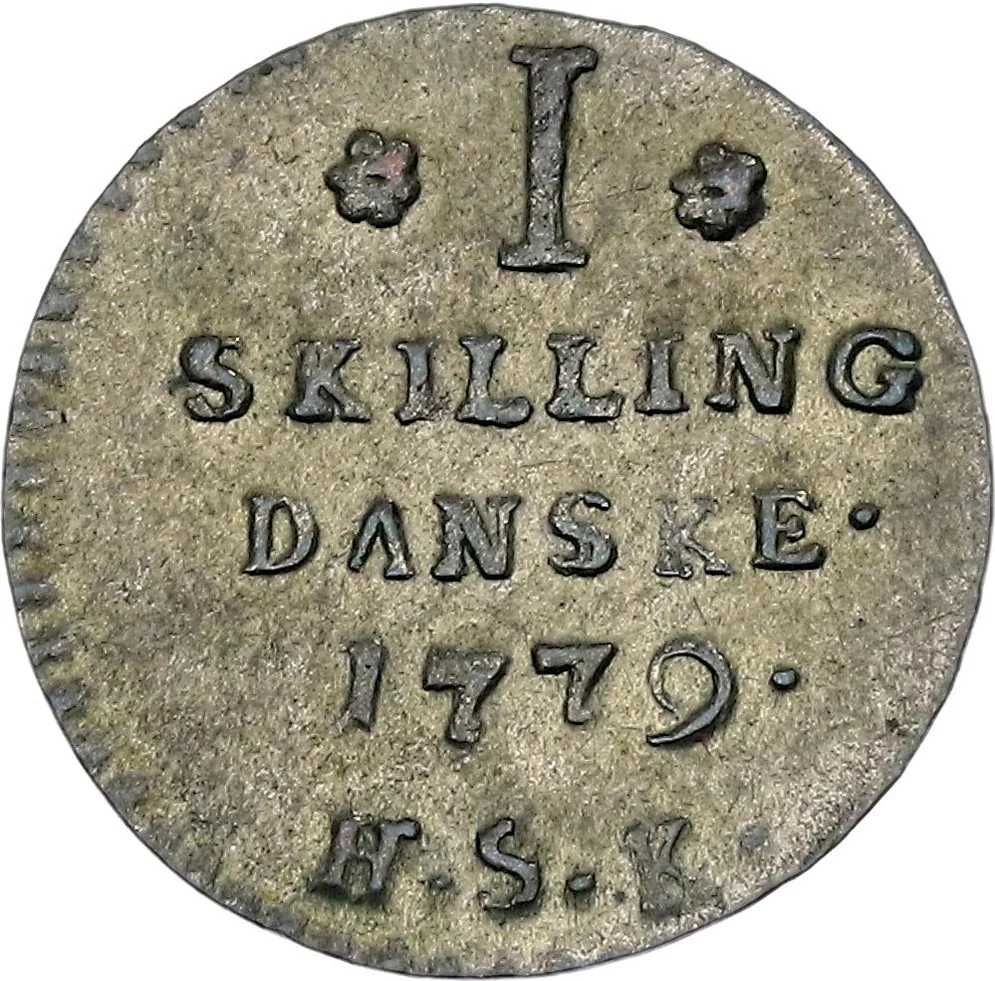
Reverse
Description:
Value and date stacked.
Mintmark below.
Mintmark below.
Inscription:
* I *
SKILLING
DANSKE.
1779.
H.S.K.
SKILLING
DANSKE.
1779.
H.S.K.
Script: Latin
Edge
Plain
Mints
| Name | Mark |
|---|---|
| Royal Danish Mint | — |
Mintings
| Year | Mint Mark | Mintage | Quality | Collection |
|---|---|---|---|---|
| 1779 | — | — | ||
| 1782 | — | — |
Historical background
In 1779, Denmark operated under a complex and strained monetary system, a legacy of the mid-century wars and the expansive economic policies of Count Johann Friedrich Struensee in the early 1770s. The state had financed its involvement in conflicts like the Seven Years' War and the Russian-sponsored Struensee era's ambitious projects largely through borrowing and the issuance of irredeemable paper money, known as kurantdaler. This unbacked currency circulated alongside older, full-value silver rigsdaler, creating a confusing dual system where the paper kurantdaler traded at a significant and fluctuating discount against its silver counterpart. By 1779, public confidence in the paper money was low, inflation was a concern, and the disparity between the two forms of currency caused significant disruption to trade and public finances.
The situation was actively managed by the government of Ove Høegh-Guldberg, who had taken power in 1772. His administration pursued a conservative and nationalist economic policy aimed at stabilization. A key focus was managing the massive public debt and attempting to restore the value of the paper currency. Rather than attempting a sudden and potentially disastrous recall or devaluation, the state employed measures like using incoming tax revenues, collected in the depreciated paper money, to gradually buy back and retire some of the paper notes from circulation. This cautious, deflationary policy aimed to slowly increase the value of the kurantdaler relative to silver.
Thus, the currency situation in 1779 was one of cautious correction and managed strain. The kingdom was grappling with the long-term consequences of deficit spending, working to stabilize the value of its paper money, and maintain its creditworthiness without triggering a severe economic contraction. This period laid the groundwork for more comprehensive monetary reforms that would follow in the subsequent decades, particularly under Crown Prince Frederik (the future King Frederik VI), as Denmark sought to establish a more unified and trustworthy currency system.
The situation was actively managed by the government of Ove Høegh-Guldberg, who had taken power in 1772. His administration pursued a conservative and nationalist economic policy aimed at stabilization. A key focus was managing the massive public debt and attempting to restore the value of the paper currency. Rather than attempting a sudden and potentially disastrous recall or devaluation, the state employed measures like using incoming tax revenues, collected in the depreciated paper money, to gradually buy back and retire some of the paper notes from circulation. This cautious, deflationary policy aimed to slowly increase the value of the kurantdaler relative to silver.
Thus, the currency situation in 1779 was one of cautious correction and managed strain. The kingdom was grappling with the long-term consequences of deficit spending, working to stabilize the value of its paper money, and maintain its creditworthiness without triggering a severe economic contraction. This period laid the groundwork for more comprehensive monetary reforms that would follow in the subsequent decades, particularly under Crown Prince Frederik (the future King Frederik VI), as Denmark sought to establish a more unified and trustworthy currency system.
⭐ Somewhat Rare