

1 ducat – Norway
Add to wishlist
Norway
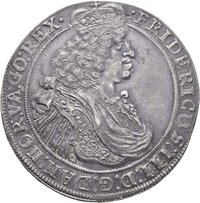
Obverse
Description:
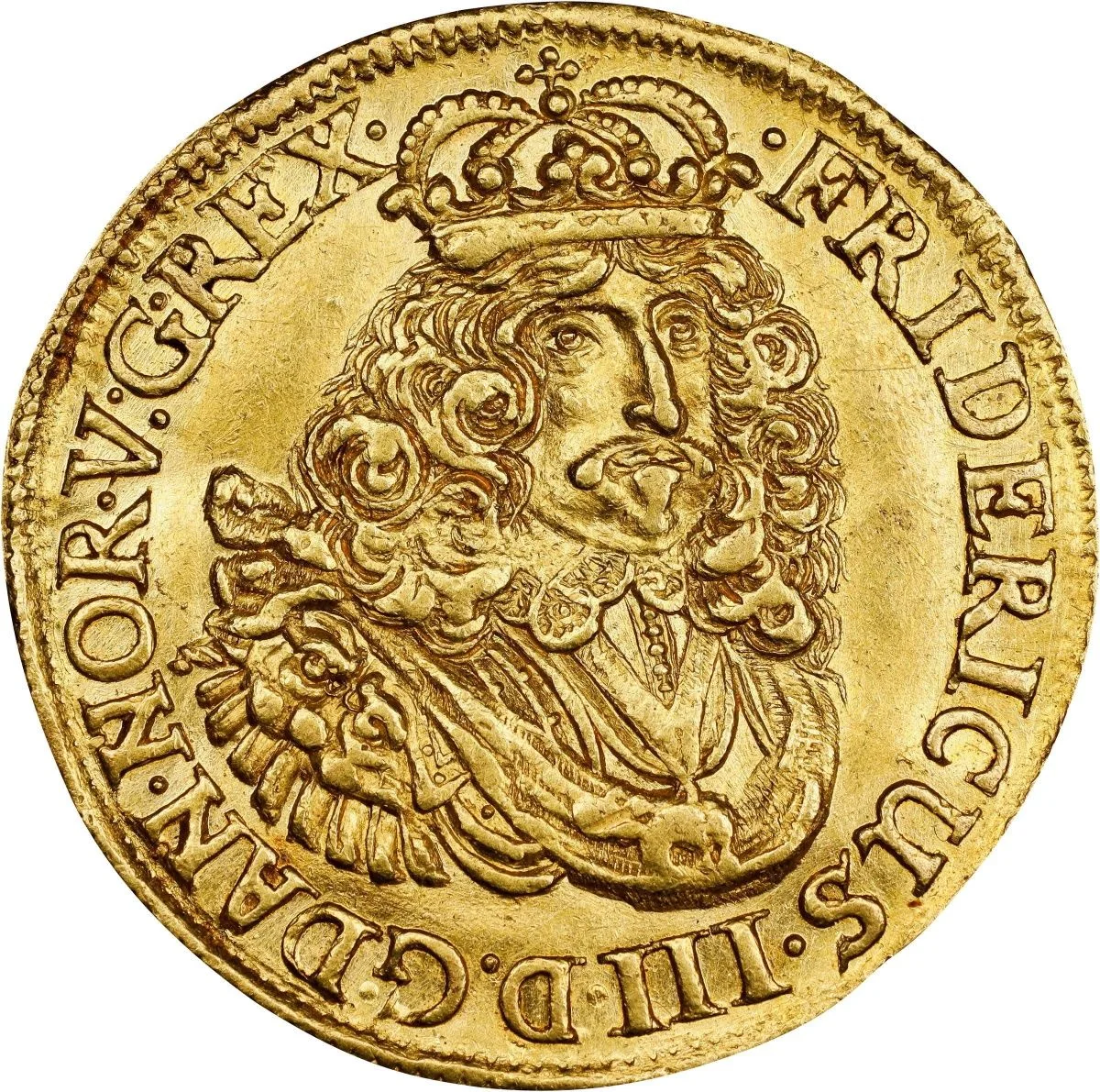
Crowned bust of Frederik III facing right, encircled by inscription. Beaded rim.
Inscription:
·FRIDERICUS·III·D.G·DAN·NOR·V:G·REX·
Script: Latin
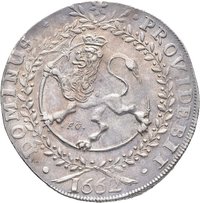
Reverse
Description:
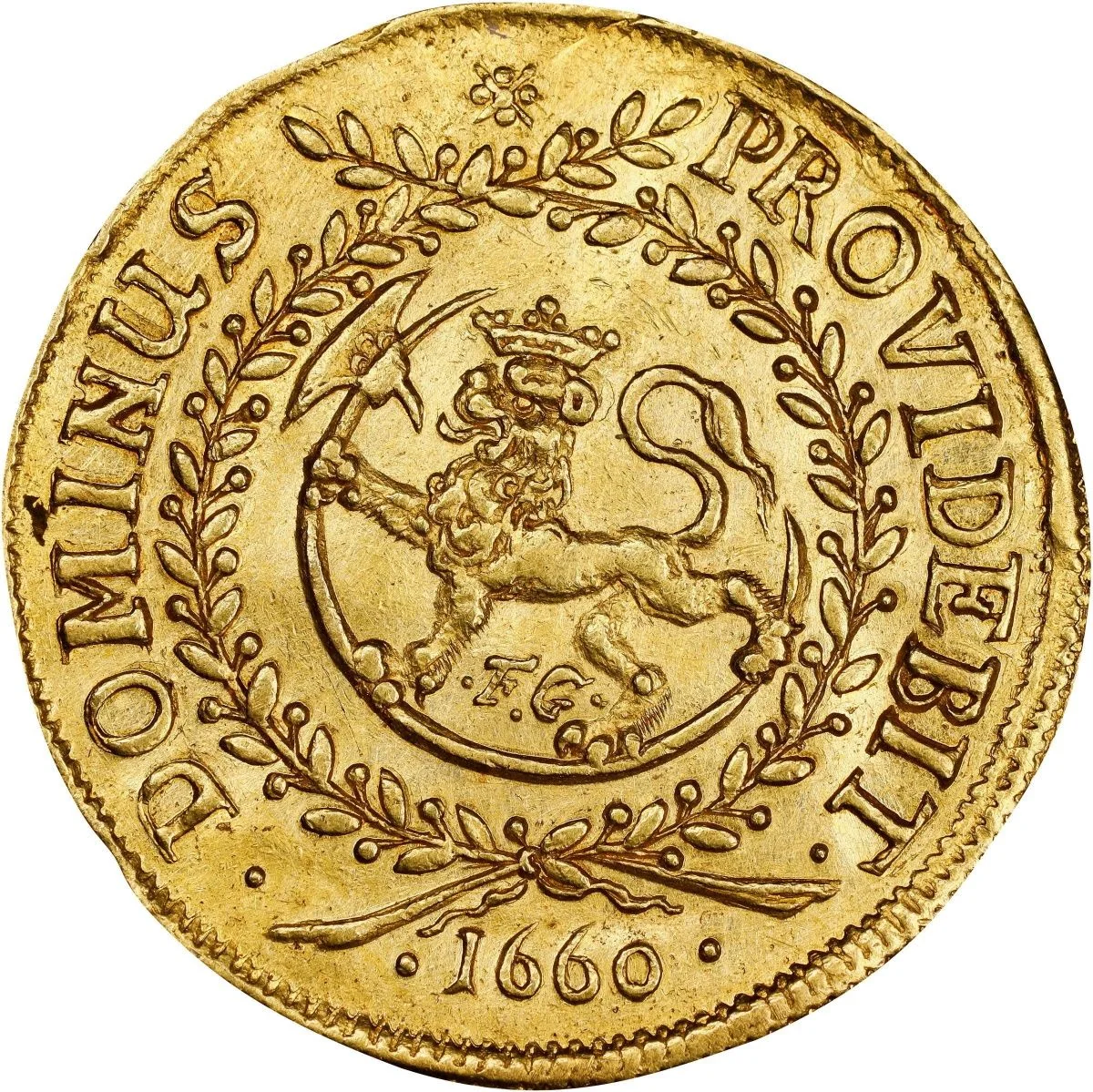
Rampant crowned lion left, holding a curved halberd, within a laurel wreath and inscription. Beaded rim.
Inscription:
·DOMINUS ✤ PROVIDEBIT·
·F.G·
·1660·
·F.G·
·1660·
Script: Latin
Edge
Plain.
Categories
| Animal |
| Person> Monarch |
| Symbol> Crown |
| Symbols> Coat of Arms |
| Symbol> Wreath |
| Object> Cold weapons |
Mints
| Name | Mark |
|---|---|
| Christiania | — |
Mintings
| Year | Mint Mark | Mintage | Quality | Collection |
|---|---|---|---|---|
| 1660 | — | — |
Historical background
In 1660, Norway found itself in a complex monetary situation, deeply intertwined with its political union with Denmark. The country operated under a bimetallic system based on the Danish rigsdaler, but the reality was one of severe currency shortage and widespread use of inferior coinage. Decades of war, particularly the devastating conflicts with Sweden, had drained the treasury and led to repeated debasements of the coinage. As a result, a chaotic mix of older, full-value coins, newer lightweight coins, and a vast quantity of clipped and worn foreign currency circulated, creating significant confusion in trade and undermining public trust.
This monetary instability was exacerbated by Norway's economic structure. As a largely rural society with important exports like fish, timber, and metals, it relied heavily on sound currency for both domestic transactions and international commerce. The shortage of good coin led to the increased use of klipping—small, irregularly cut pieces of silver—as a makeshift local currency, and even barter became common in many regions. This environment hindered economic growth and state revenue collection, as the Crown struggled to assert control over the monetary system from its seat in Copenhagen.
The year 1660 itself was a pivotal turning point, not directly for the currency but for the political framework that governed it. The absolute monarchy established in Denmark-Norway that year, following the adoption of the King's Law, centralized power with King Frederik III. This new absolutist state created the necessary political conditions for comprehensive monetary reform. While the actual currency restructuring came later—most notably with the introduction of a new, standardized rigsdaler species in 1695—the events of 1660 laid the foundational authority for the Crown to eventually impose order on the chaotic monetary landscape and unify the currency system across the dual monarchy.
This monetary instability was exacerbated by Norway's economic structure. As a largely rural society with important exports like fish, timber, and metals, it relied heavily on sound currency for both domestic transactions and international commerce. The shortage of good coin led to the increased use of klipping—small, irregularly cut pieces of silver—as a makeshift local currency, and even barter became common in many regions. This environment hindered economic growth and state revenue collection, as the Crown struggled to assert control over the monetary system from its seat in Copenhagen.
The year 1660 itself was a pivotal turning point, not directly for the currency but for the political framework that governed it. The absolute monarchy established in Denmark-Norway that year, following the adoption of the King's Law, centralized power with King Frederik III. This new absolutist state created the necessary political conditions for comprehensive monetary reform. While the actual currency restructuring came later—most notably with the introduction of a new, standardized rigsdaler species in 1695—the events of 1660 laid the foundational authority for the Crown to eventually impose order on the chaotic monetary landscape and unify the currency system across the dual monarchy.
✨ Legendary