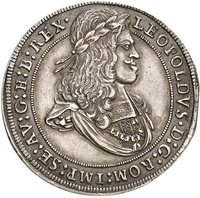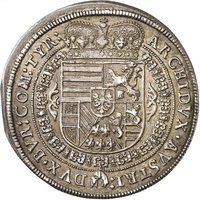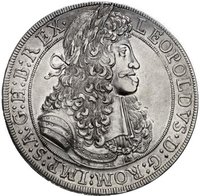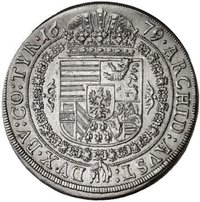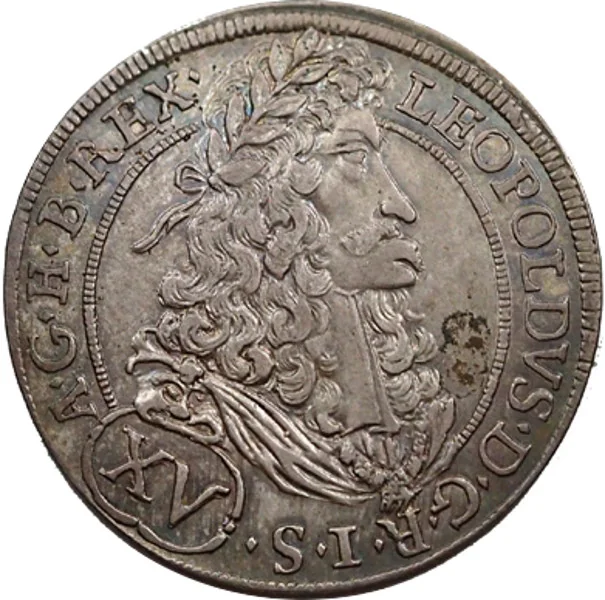
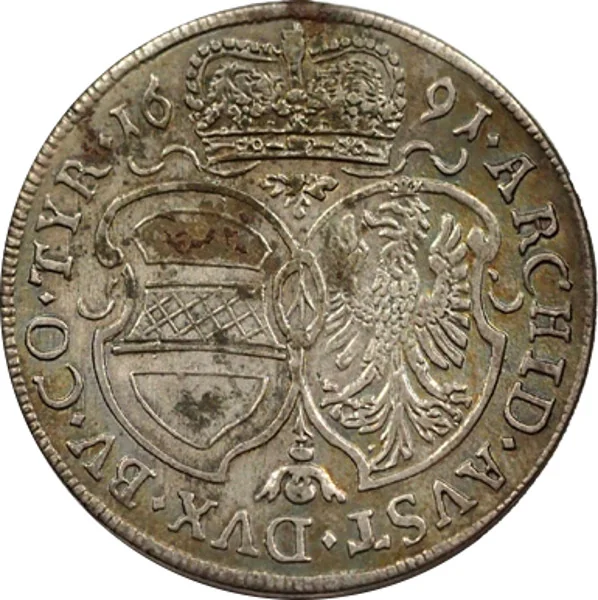
In 1676, the County of Tyrol, a semi-autonomous Habsburg territory, was grappling with a severe and complex monetary crisis. The root cause was the widespread debasement of coinage, a practice not only conducted by neighboring states but also, problematically, by Tyrol's own mint at Hall. The ruling Archduchess Claudia de' Medici and her regency council had, in prior decades, authorized the issuance of heavily debased
Kreuzer and
Batzen coins to generate short-term revenue for the treasury, particularly to cover costs related to the Thirty Years' War and regional defense. This created a classic "bad money drives out good" scenario, where older, full-value silver coins were hoarded or exported, leaving the economy flooded with unreliable, low-intrinsic-value currency.
This debasement severely disrupted trade and daily life. Merchants, especially those engaged in cross-border trade with the German states and Italy, faced immense difficulty as the value of Tyrolean coinage fluctuated wildly and its acceptance outside the county diminished. For the common population, the declining purchasing power of their coins led to effective price inflation for basic goods, sowing public distrust and economic hardship. The crisis also strained Tyrol's important mining sector, as the silver from its famed Schwaz mines was increasingly diverted to mint debased coinage rather than stable
Thalers, undermining what should have been a source of monetary strength.
By 1676, the situation demanded urgent reform. The Habsburg central government under Emperor Leopold I recognized that the monetary anarchy in Tyrol threatened the economic stability of the broader Hereditary Lands. While a full resolution would come later, this period was marked by intense negotiations between Tyrolean estates and the Imperial court in Vienna, aiming to standardize coinage, cease debasement, and restore confidence. Thus, 1676 represents a critical juncture of ongoing crisis and gathering pressure for the comprehensive monetary reforms that would be implemented in the following years.