

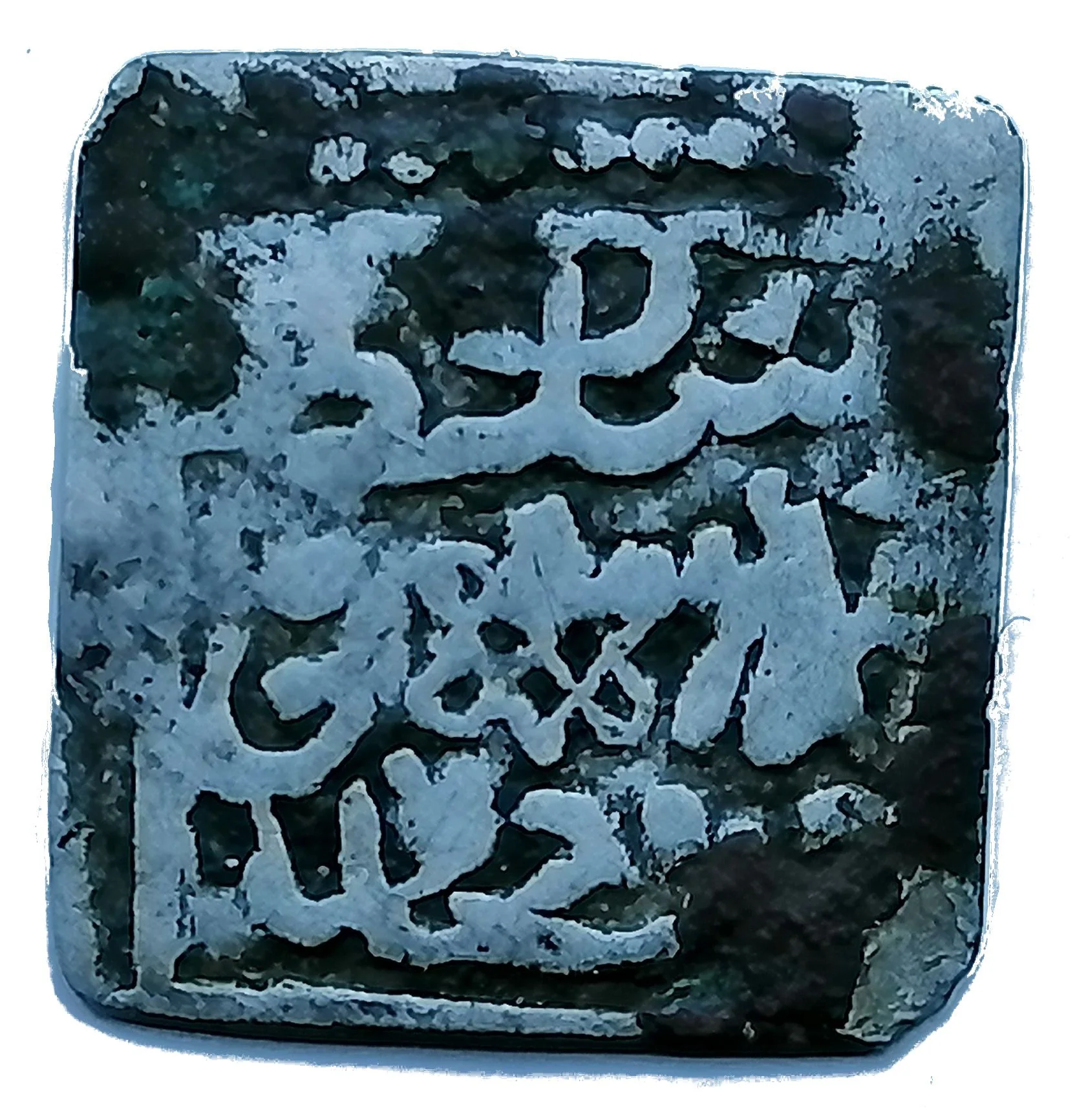
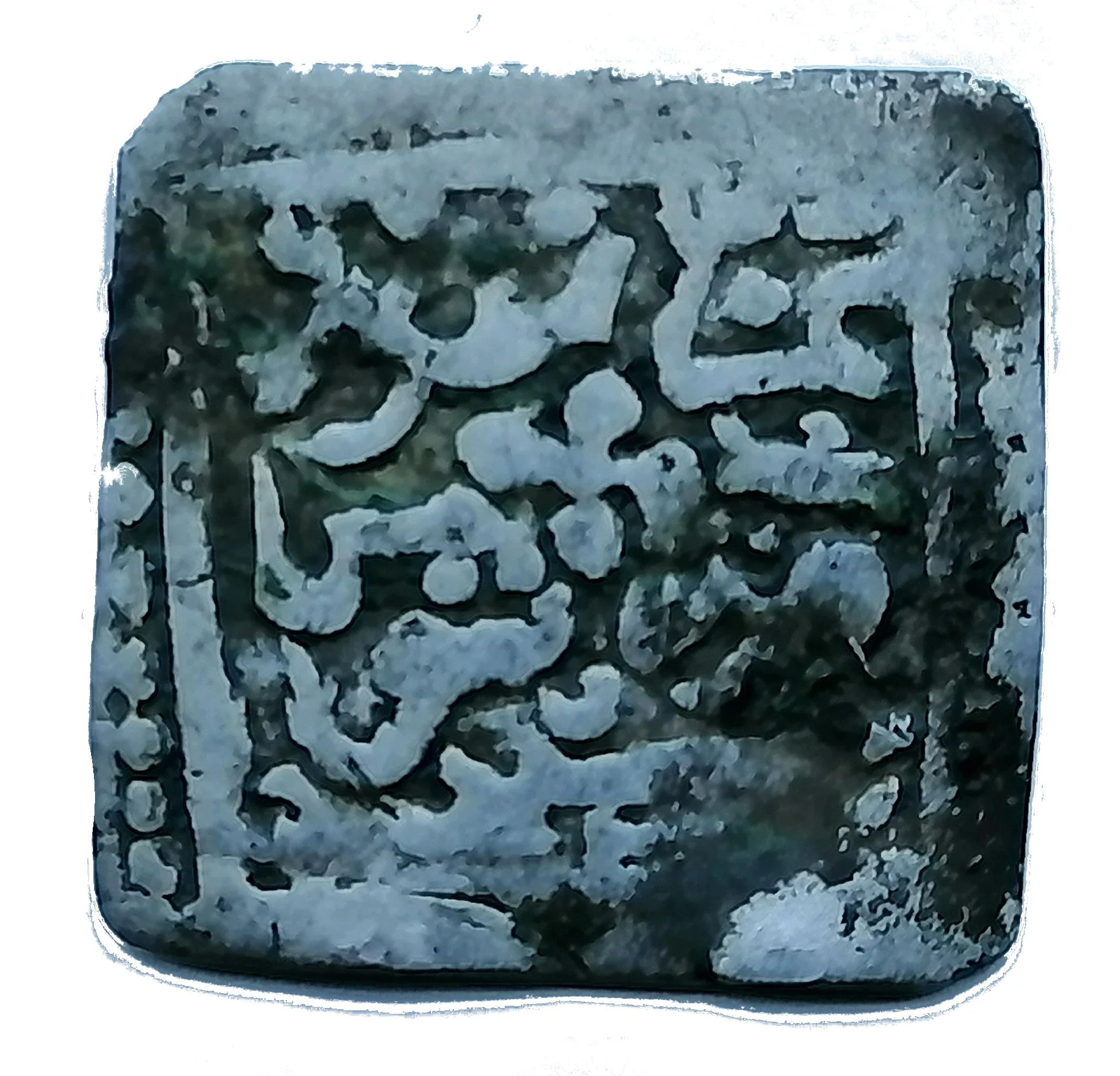
1 Nasri – Eyalet of Tunis
Tunisia
Context
Year: 1624
Islamic (Hijri) Year: 1033
Country: Tunisia 
Issuer: Eyalet of Tunis
Ruler: Murad IV
Currency:
(1567—1891)
Demonetized: Yes
Material
References
KM: #Click to copy to clipboard16
Numista: #113044
Value
Bullion value: $2.26
Mintings
| Year | Mint Mark | Mintage | Quality | Collection |
|---|---|---|---|---|
| 1624 | — | — |
Historical background
In 1624, the Eyalet of Tunis was navigating a complex and often unstable monetary landscape, characteristic of the decentralized Ottoman provincial economy. While nominally under Ottoman sovereignty, the local Muradid dynasty, which had established its rule in the early 17th century, exercised significant autonomy, including in fiscal matters. The currency system was a multi-layered bazaar of coins, primarily featuring Ottoman silver akçes and gold sultanis, Spanish pieces of eight (reales), and various European silver coins that flowed into Tunis through Mediterranean trade and privateering. This created a chronic problem of currency fluctuation and valuation, as the intrinsic metal value of these diverse coins constantly shifted against one another.
The local authorities, the Dey and the Bey, struggled to assert control over this system. They periodically minted their own copper fals and silver mahbubs, but these local issues often suffered from debasement—reducing the precious metal content—to finance state expenditures or military ventures. This debasement eroded public trust in the official currency, leading to hoarding of full-weight foreign coins, particularly the prized Spanish reales, which served as a more reliable medium for large-scale trade. Consequently, daily transactions were hampered by a shortage of trustworthy small change, causing inflation and market discontent.
Furthermore, Tunis's economy was heavily dependent on its role as a corsair port and a hub for Mediterranean commerce. This meant its monetary stability was acutely sensitive to the ebb and flow of captured treasure, ransom payments, and trade revenues, making its currency situation inherently volatile. By 1624, these pressures were mounting, setting the stage for the monetary reforms that the Muradid Bey, Hammuda Pasha, would later implement in the 1640s in an attempt to standardize the coinage and stabilize the Eyalet's finances.
The local authorities, the Dey and the Bey, struggled to assert control over this system. They periodically minted their own copper fals and silver mahbubs, but these local issues often suffered from debasement—reducing the precious metal content—to finance state expenditures or military ventures. This debasement eroded public trust in the official currency, leading to hoarding of full-weight foreign coins, particularly the prized Spanish reales, which served as a more reliable medium for large-scale trade. Consequently, daily transactions were hampered by a shortage of trustworthy small change, causing inflation and market discontent.
Furthermore, Tunis's economy was heavily dependent on its role as a corsair port and a hub for Mediterranean commerce. This meant its monetary stability was acutely sensitive to the ebb and flow of captured treasure, ransom payments, and trade revenues, making its currency situation inherently volatile. By 1624, these pressures were mounting, setting the stage for the monetary reforms that the Muradid Bey, Hammuda Pasha, would later implement in the 1640s in an attempt to standardize the coinage and stabilize the Eyalet's finances.

✨ Legendary