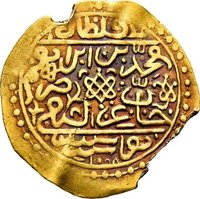
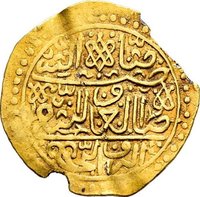
In 1649, the currency situation in the Ottoman Eyalet of Tunis was characterized by instability and complexity, reflecting both local autonomy and integration into wider Mediterranean economic currents. The province, ruled by the Muradid dynasty as semi-autonomous Beys under the Ottoman Porte, issued its own copper coinage, the
fals. However, these low-denomination coins were prone to severe debasement, leading to frequent inflation and loss of public confidence. This local currency existed alongside a multitude of foreign silver coins that circulated for larger transactions, most notably the Spanish
real and the Ottoman
akçe, creating a bimetallic system reliant on external specie.
The primary economic pressure stemmed from the region's position in the Mediterranean trade network. Tunis ran a consistent trade deficit with Europe, exporting raw materials like grain, olive oil, and leather but importing large quantities of manufactured goods and luxury items. This imbalance caused a continuous drain of precious metals, especially silver, out of the eyalet. To compensate for the scarcity of silver and to finance local administration and military needs, the Muradid authorities frequently resorted to debasing the copper
fals, which only exacerbated monetary turmoil and market distrust among merchants and the populace.
Consequently, the currency crisis of this period was a source of significant social and political tension. The fluctuating value of money disrupted markets, eroded fixed incomes, and contributed to periods of hardship. It underscored the challenges of Muradid governance, caught between the demands of imperial tribute, local expenditure, and a fragile economy vulnerable to external trade flows. This monetary instability would persist as a chronic issue, prompting periodic but often ineffective reforms throughout the latter half of the 17th century.