

5 baiocchi – Montalto
Add to wishlist
Italy
Obverse
Description:
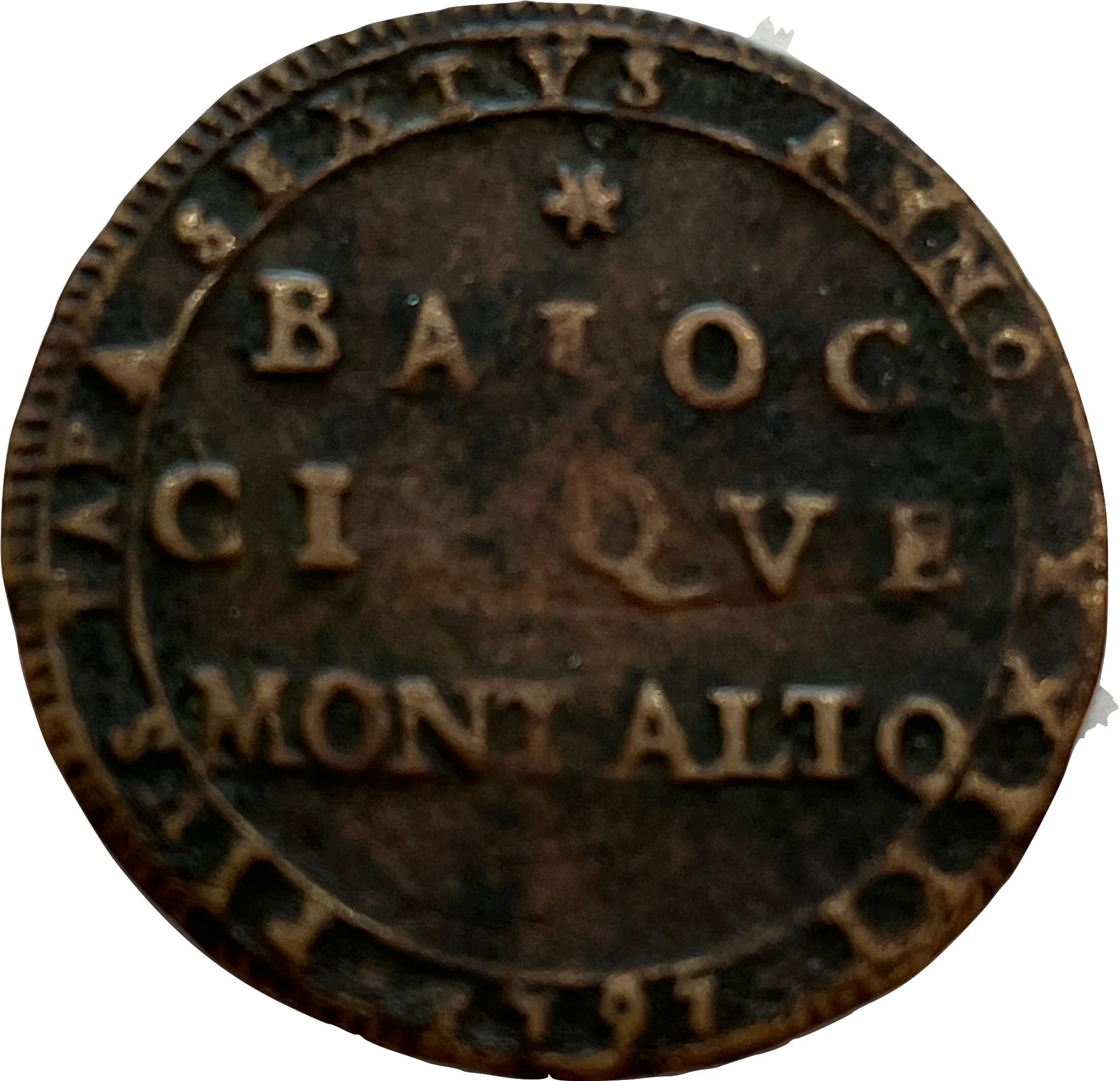
A three-line script.
Inscription:
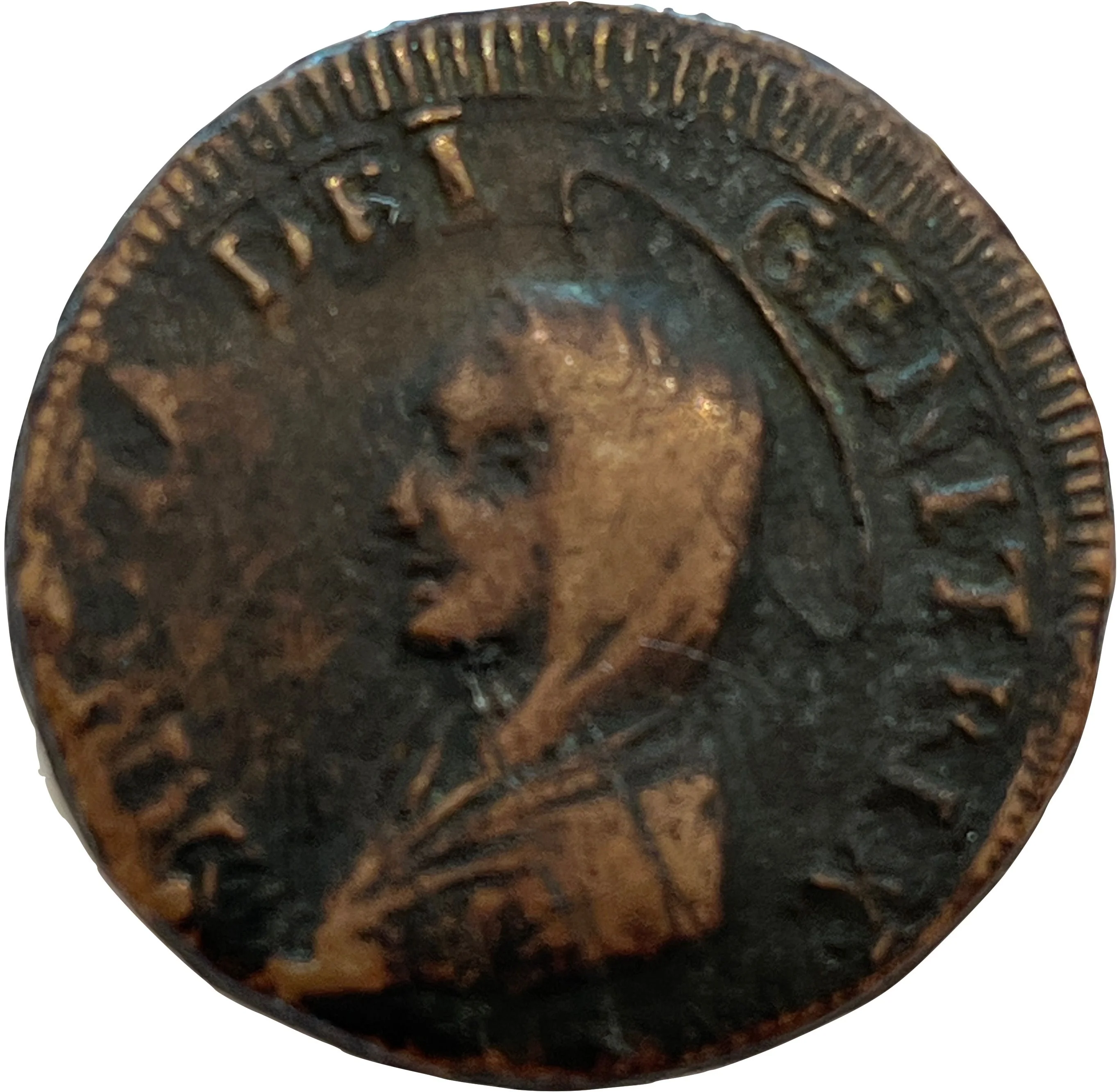
PIVS PAPA SEXTVS ANNO XXIII
BAIOC CINQVE MONTALTO
BAIOC CINQVE MONTALTO
Script: Latin
Reverse
Edge
Categories
| Person> Religious figure |
Mints
| Name | Mark |
|---|---|
| Montalto delle Marche | — |
Mintings
| Year | Mint Mark | Mintage | Quality | Collection |
|---|---|---|---|---|
| 1797 | — | — |
Historical background
In 1797, the small Italian principality of Montalto found itself in a precarious monetary crisis, a direct consequence of the seismic political shifts sweeping through Europe. The invasion of the Italian Peninsula by Napoleon Bonaparte's French Revolutionary armies had disrupted the old financial order. Traditional silver and gold coinage, particularly the long-relied-upon scudo, was being hoarded by a fearful populace or drained away to fund the region's various war efforts. This created a severe shortage of sound, trusted currency for everyday commerce, paralyzing local markets and causing widespread economic anxiety.
To address the acute shortage, the ruling Prince of Montalto, under pressure from local merchants, authorized the emergency issuance of paper biglietti di credito (credit notes). These were not true state-backed currency but promissory notes from the princely treasury, theoretically redeemable for silver at a future date. Initially accepted out of necessity, their value was entirely dependent on the rapidly diminishing public confidence in the Prince's ability to honor his debts, especially as French influence and demands for tribute grew.
Thus, by the close of 1797, Montalto operated with a destabilizing dual system: a vanishing supply of precious metal coins used for significant transactions and savings, and a proliferating but depreciating flood of paper biglietti. The situation was a microcosm of the era's turmoil—a fragile, ancien régime authority attempting to maintain economic control while the foundations of its sovereignty were being eroded by revolution and war, leaving the populace caught between a disappearing past and an uncertain monetary future.
To address the acute shortage, the ruling Prince of Montalto, under pressure from local merchants, authorized the emergency issuance of paper biglietti di credito (credit notes). These were not true state-backed currency but promissory notes from the princely treasury, theoretically redeemable for silver at a future date. Initially accepted out of necessity, their value was entirely dependent on the rapidly diminishing public confidence in the Prince's ability to honor his debts, especially as French influence and demands for tribute grew.
Thus, by the close of 1797, Montalto operated with a destabilizing dual system: a vanishing supply of precious metal coins used for significant transactions and savings, and a proliferating but depreciating flood of paper biglietti. The situation was a microcosm of the era's turmoil—a fragile, ancien régime authority attempting to maintain economic control while the foundations of its sovereignty were being eroded by revolution and war, leaving the populace caught between a disappearing past and an uncertain monetary future.
✨ Legendary