

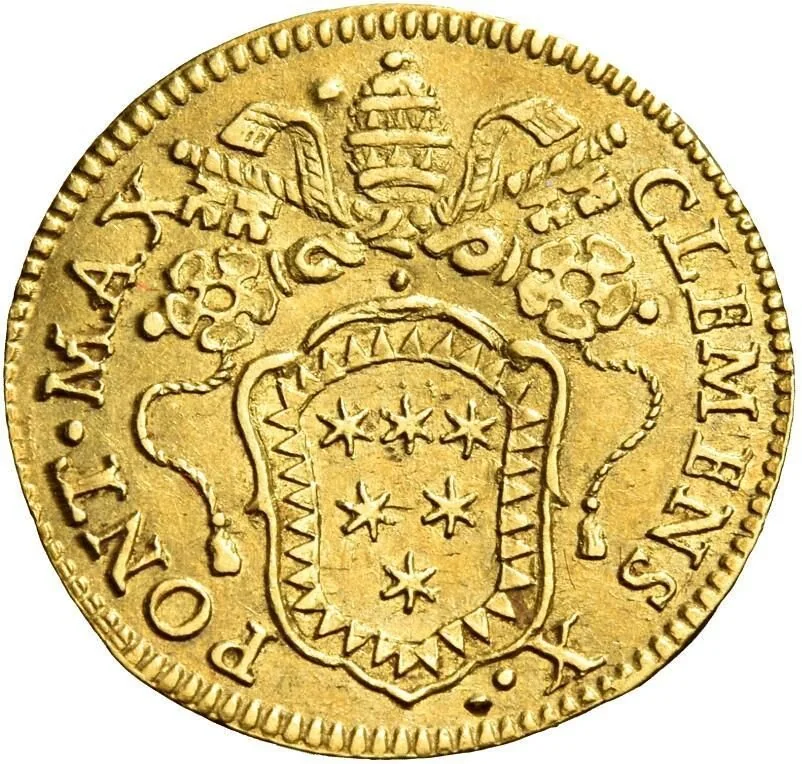
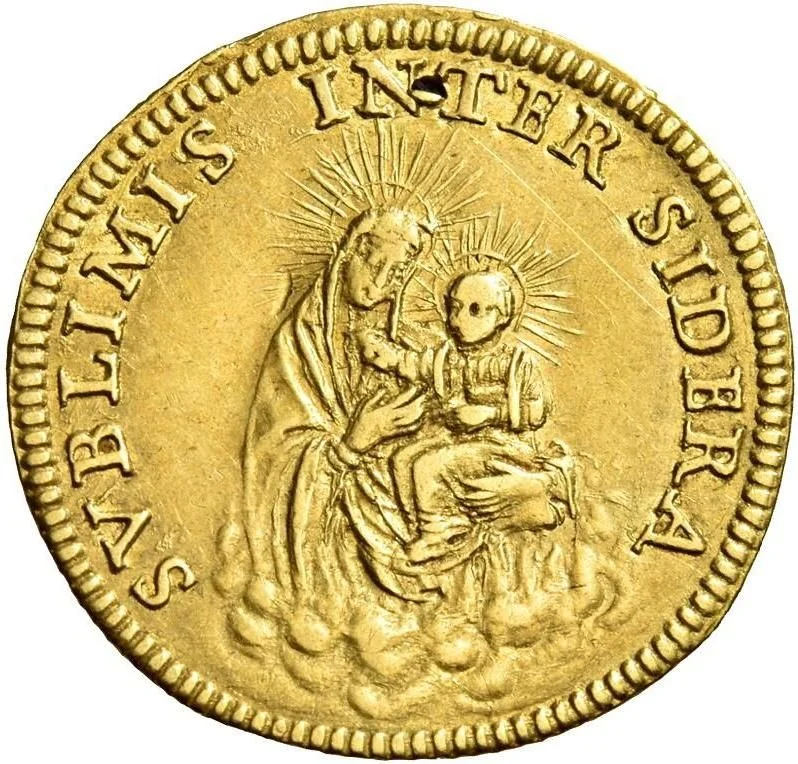
1 Scudo – Papal States
Vatican City
Context
Years: 1670–1676
Country: Vatican City 
Issuer: Papal States
Ruler: Clement X
Currency:
(1534—1835)
Demonetized: Yes
Material
References
KM: #Click to copy to clipboard322
Numista: #372554
Value
Bullion value: $535.16
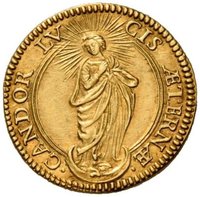
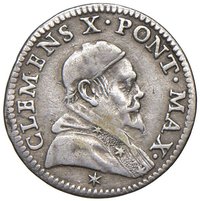
Obverse
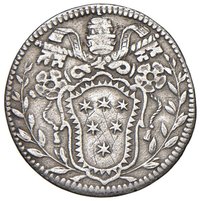
Reverse
Edge
Mints
| Name | Mark |
|---|---|
| Rome | — |
Mintings
| Year | Mint Mark | Mintage | Quality | Collection |
|---|---|---|---|---|
| — | — | — |
Historical background
In 1670, the Papal States' currency system was a complex and fragmented mosaic, reflecting its political structure and economic challenges. The primary unit was the Papal Scudo, a silver coin that served as the standard for larger transactions and accounting. However, the scudo's value and purity were under constant pressure due to the state's chronic fiscal deficits, often driven by monumental building projects and the administrative costs of the central bureaucracy. Alongside the scudo circulated a bewildering variety of subsidiary coins, including giuli, grossi, and baiocchi, minted not only in Rome but also in provincial papal mints like those in Bologna and Ancona, leading to inconsistencies in weight and alloy.
This monetary landscape was further complicated by the widespread circulation of foreign coins, particularly Spanish pieces of eight and silver reales from the New World, which flowed through the Papal States due to the Spanish influence in Italy. The Roman economy also relied heavily on a system of moneta di conto (money of account), where prices and contracts were often recorded in a theoretical unit like the scudo romano di moneta while actual payment was made in a mix of physical coins of varying intrinsic values. This practice, managed by bankers and money-changers, created a gap between official and market exchange rates, facilitating both commerce and opportunistic debasement.
Pope Clement X (Emilio Altieri), who ascended to the throne in 1670, inherited these persistent monetary disorders. While his reign was not marked by major monetary reforms, the ongoing issues highlighted the struggle between the Papacy's need for revenue and the destabilizing effects of currency manipulation. The situation ultimately weakened commercial confidence, encouraged hoarding of good silver, and placed a burden on the common populace, who bore the brunt of inflation and uncertain exchange rates in their daily transactions with low-denomination coinage.
This monetary landscape was further complicated by the widespread circulation of foreign coins, particularly Spanish pieces of eight and silver reales from the New World, which flowed through the Papal States due to the Spanish influence in Italy. The Roman economy also relied heavily on a system of moneta di conto (money of account), where prices and contracts were often recorded in a theoretical unit like the scudo romano di moneta while actual payment was made in a mix of physical coins of varying intrinsic values. This practice, managed by bankers and money-changers, created a gap between official and market exchange rates, facilitating both commerce and opportunistic debasement.
Pope Clement X (Emilio Altieri), who ascended to the throne in 1670, inherited these persistent monetary disorders. While his reign was not marked by major monetary reforms, the ongoing issues highlighted the struggle between the Papacy's need for revenue and the destabilizing effects of currency manipulation. The situation ultimately weakened commercial confidence, encouraged hoarding of good silver, and placed a burden on the common populace, who bore the brunt of inflation and uncertain exchange rates in their daily transactions with low-denomination coinage.
✨ Legendary