

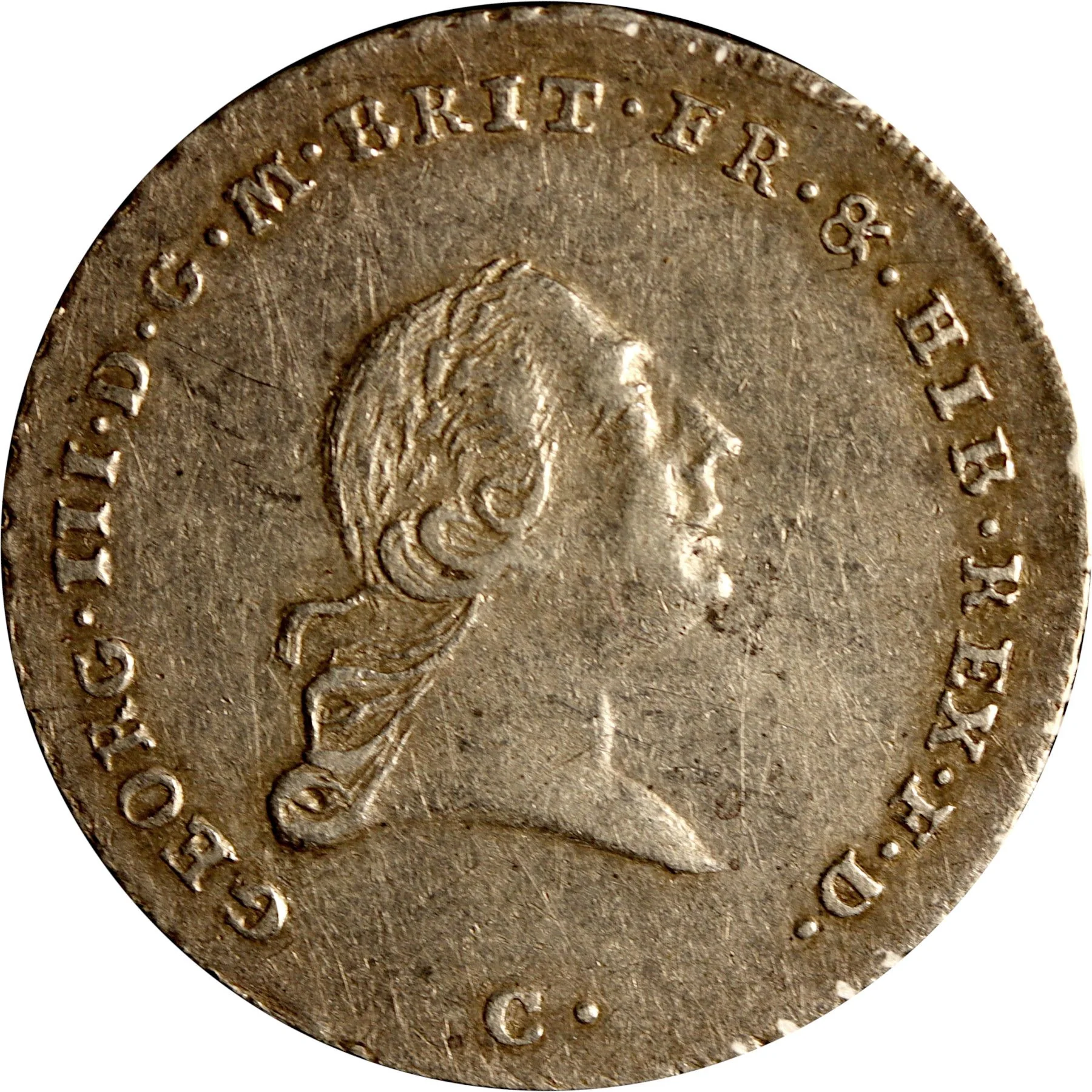
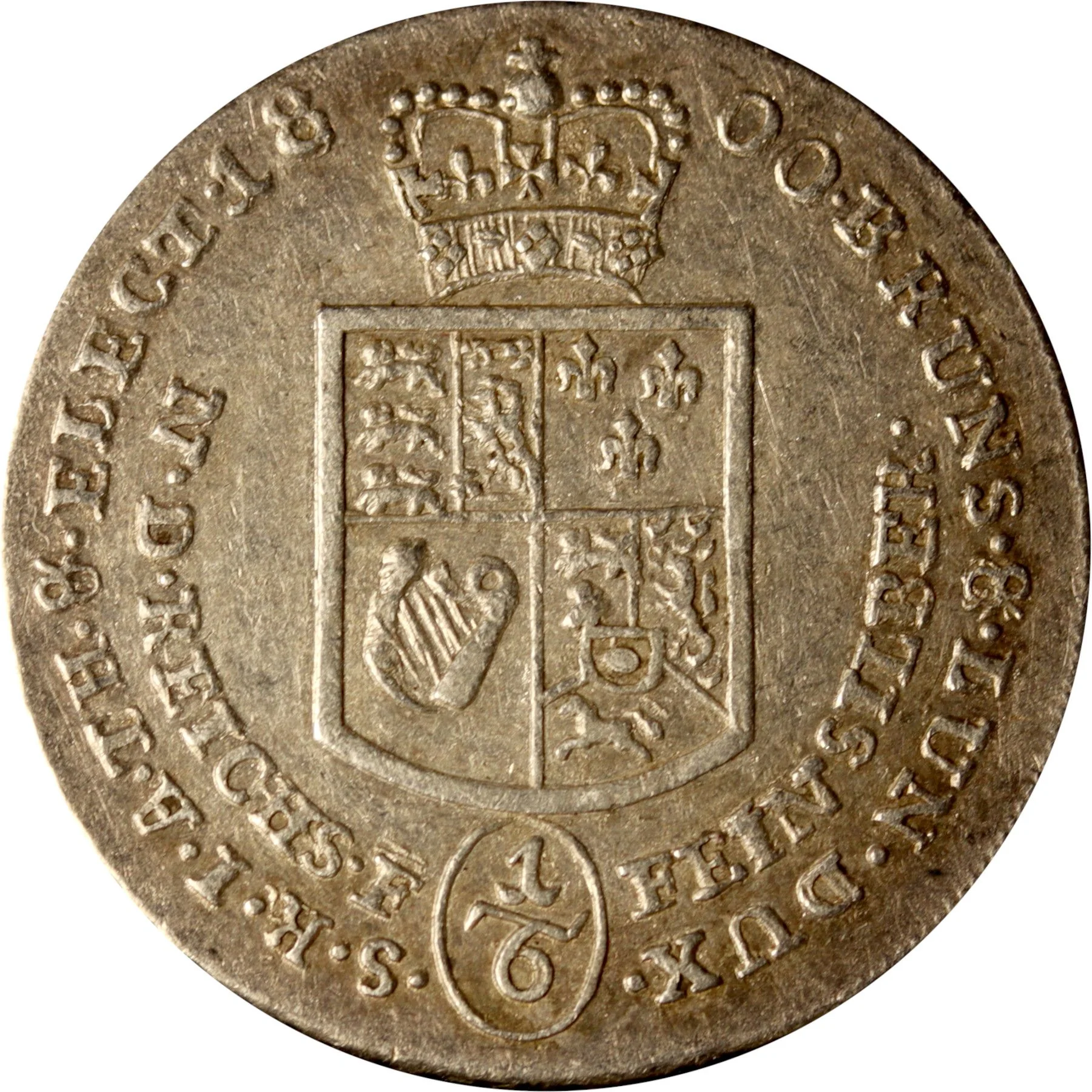
⅙ thaler – Brunswick-Lüneburg-Calenberg-Hannover
Add to wishlist
Germany
Context
Material
References
KM: #
Numista: #359282
Value
Bullion value: $8.14
Obverse
Reverse
Description:
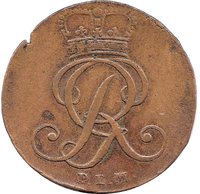
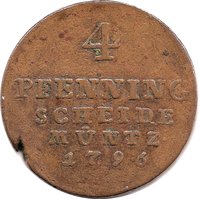
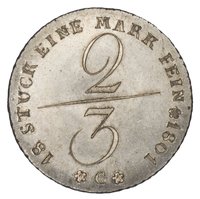
Quartered arms under a crown, value below, date above.
Inscription:
.S.R.I.A.TH.&.ELECT.18 00 BRUNS.&.LUN.DUX.
N.D.REICHS.F FEIN SILBER.
N.D.REICHS.F FEIN SILBER.
Script: Latin
Edge
Mints
| Name | Mark |
|---|---|
| Clausthal | — |
Mintings
| Year | Mint Mark | Mintage | Quality | Collection |
|---|---|---|---|---|
| 1796 | PLM | — | ||
| 1798 | PLM | — | ||
| 1799 | PLM | — | ||
| 1800 | .C. | — |
Historical background
In 1796, the currency situation in the Duchy of Brunswick-Lüneburg, specifically the Principality of Calenberg (often referred to as Hanover after its capital), was characterized by significant complexity and instability. The region operated within the fragmented monetary system of the Holy Roman Empire, where multiple coinage authorities coexisted. Hanover itself issued its own Reichsthaler and Gute Groschen, but these circulated alongside a plethora of foreign coins, particularly from neighboring German states and the ubiquitous French Écu. This proliferation of currencies of varying intrinsic values and exchange rates created chronic confusion for commerce and daily transactions.
The period was further strained by the financial and political pressures of the French Revolutionary Wars. While not the primary theatre of war in 1796, Hanover was acutely affected as a possession of the British King George III, making it a target for French political pressure. The need to finance military preparedness and the disruption of trade routes contributed to inflationary tendencies. Moreover, the practice of Kipper- und Wipperzeit (clipping and debasing coins), though its infamous peak was in the early 17th century, left a legacy of public distrust in coinage that lingered, complicating efforts to maintain a stable monetary standard.
Consequently, economic actors in Hanover faced a dual challenge: navigating the everyday inconvenience of a non-uniform currency while also contending with the macroeconomic strains of war. This environment hindered efficient taxation and state finance, and placed a burden on merchants who required constant conversion tables. The situation would only find resolution decades later, through the monetary reforms of the German Confederation after 1815 and the eventual establishment of a unified German currency. Thus, in 1796, the currency landscape was a microcosm of the Empire itself—historically layered, politically entangled, and in need of modernization.
The period was further strained by the financial and political pressures of the French Revolutionary Wars. While not the primary theatre of war in 1796, Hanover was acutely affected as a possession of the British King George III, making it a target for French political pressure. The need to finance military preparedness and the disruption of trade routes contributed to inflationary tendencies. Moreover, the practice of Kipper- und Wipperzeit (clipping and debasing coins), though its infamous peak was in the early 17th century, left a legacy of public distrust in coinage that lingered, complicating efforts to maintain a stable monetary standard.
Consequently, economic actors in Hanover faced a dual challenge: navigating the everyday inconvenience of a non-uniform currency while also contending with the macroeconomic strains of war. This environment hindered efficient taxation and state finance, and placed a burden on merchants who required constant conversion tables. The situation would only find resolution decades later, through the monetary reforms of the German Confederation after 1815 and the eventual establishment of a unified German currency. Thus, in 1796, the currency landscape was a microcosm of the Empire itself—historically layered, politically entangled, and in need of modernization.

✨ Legendary