

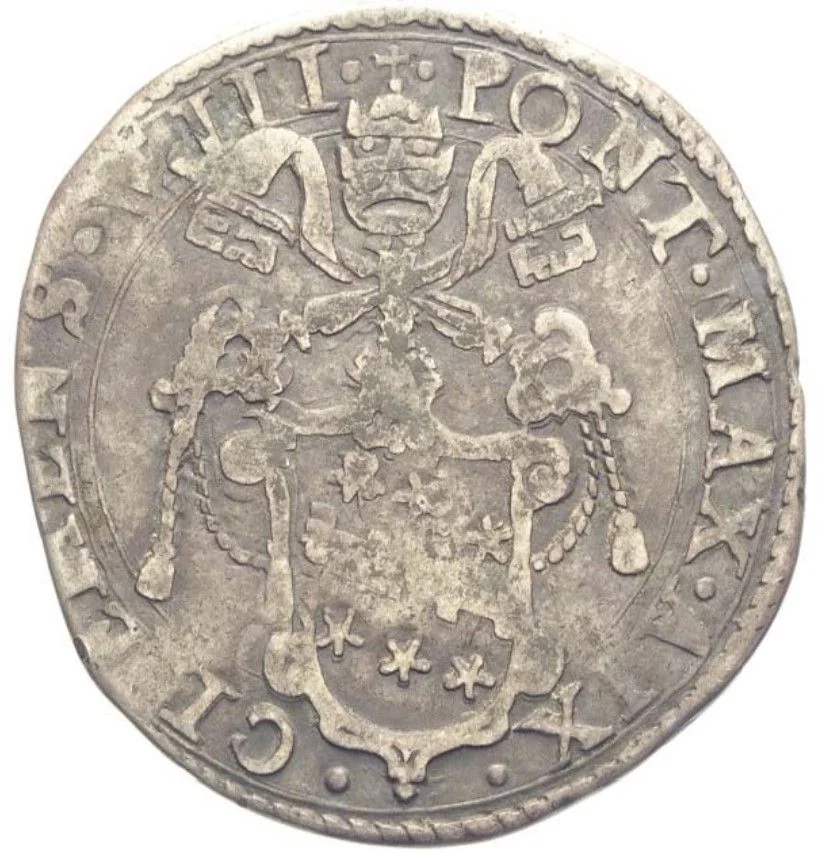
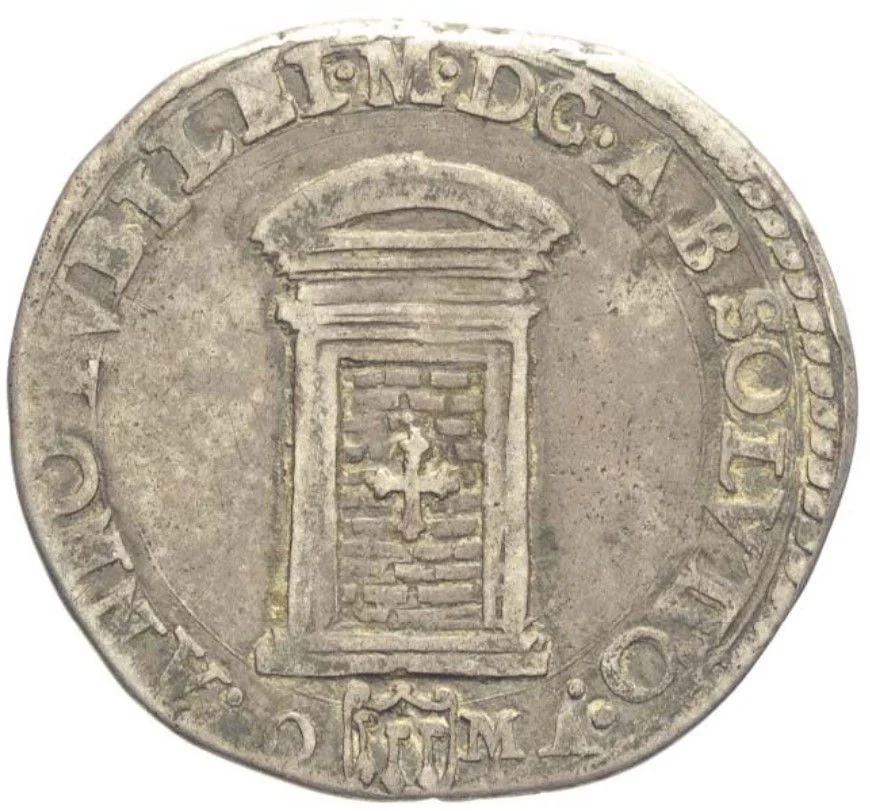
1 Teston – Papal States
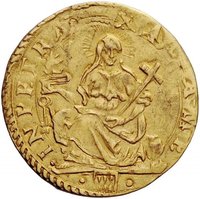
Circulating commemorative coins
Commemoration: Holy Year
Vatican City
Context
Year: 1600
Country: Vatican City 
Issuer: Papal States
Ruler: Clement VIII
Currency:
(1534—1835)
Demonetized: Yes
Material
References
KM: #Click to copy to clipboard18
Numista: #112387
Value
Bullion value: $25.56
Obverse
Reverse
Edge
Plain
Mints
| Name | Mark |
|---|---|
| Rome | — |
Mintings
| Year | Mint Mark | Mintage | Quality | Collection |
|---|---|---|---|---|
| 1600 | — | — |
Historical background
During the early 17th century, the Papal States operated a complex and often chaotic monetary system, typical of many Italian states of the period. The primary unit of account was the scudo (specifically the scudo d'oro in oro for gold and the scudo di moneta for silver), but a plethora of circulating coins from other Italian and European states, including Spanish reales and various ducats, created a fragmented marketplace. This multiplicity led to constant difficulties in exchange and valuation, as the intrinsic metal value of coins frequently differed from their official face value, encouraging clipping, counterfeiting, and the hoarding of higher-quality coins—a phenomenon described by Gresham's Law.
The Papal mint in Rome struggled to maintain a stable and authoritative currency. Popes, including Clement VIII (1592-1605) and his successor Paul V (1605-1621), periodically undertook monetary reforms, recalling old coinage and issuing new, standardized pieces in an attempt to reassert control and generate seigniorage revenue. However, these efforts were often undermined by the broader economic context. The influx of silver from the Spanish Americas depressed the value of silver relative to gold, causing disruptive shifts in the bimetallic ratio, while the Papacy's own chronic fiscal deficits, fueled by lavish building projects and administrative costs, sometimes tempted the treasury to debase the coinage, eroding public trust.
Consequently, daily economic life in the Papal States around 1600 was characterized by practical complexity. Money-changers (banchieri) played an essential role in navigating the jungle of currencies, determining exchange rates, and verifying often-suspect coins. While large transactions and state finances were calculated in the stable scudo of account, actual payment could be made in a mixed bag of physical coin. This unstable and heterogeneous system reflected both the decentralized nature of papal temporal authority and the interconnected, yet disorderly, nature of European finance on the eve of the Thirty Years' War.
The Papal mint in Rome struggled to maintain a stable and authoritative currency. Popes, including Clement VIII (1592-1605) and his successor Paul V (1605-1621), periodically undertook monetary reforms, recalling old coinage and issuing new, standardized pieces in an attempt to reassert control and generate seigniorage revenue. However, these efforts were often undermined by the broader economic context. The influx of silver from the Spanish Americas depressed the value of silver relative to gold, causing disruptive shifts in the bimetallic ratio, while the Papacy's own chronic fiscal deficits, fueled by lavish building projects and administrative costs, sometimes tempted the treasury to debase the coinage, eroding public trust.
Consequently, daily economic life in the Papal States around 1600 was characterized by practical complexity. Money-changers (banchieri) played an essential role in navigating the jungle of currencies, determining exchange rates, and verifying often-suspect coins. While large transactions and state finances were calculated in the stable scudo of account, actual payment could be made in a mixed bag of physical coin. This unstable and heterogeneous system reflected both the decentralized nature of papal temporal authority and the interconnected, yet disorderly, nature of European finance on the eve of the Thirty Years' War.
✨ Legendary