

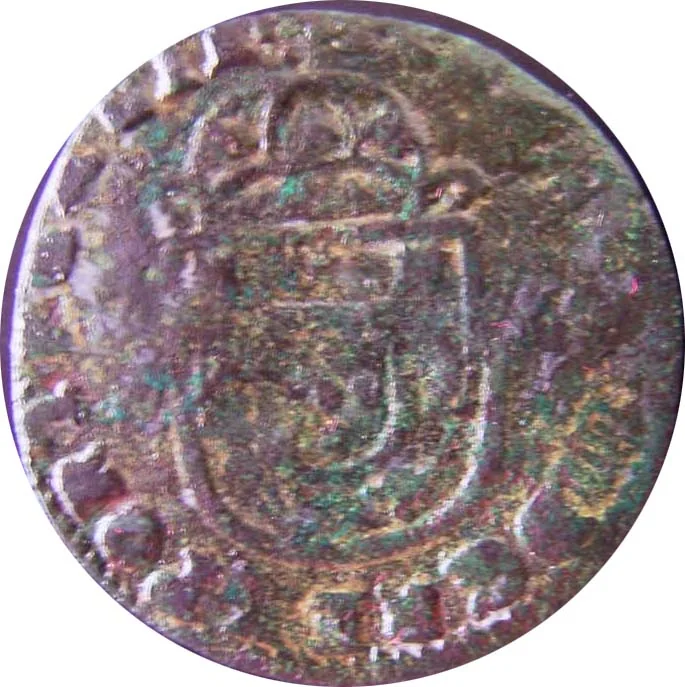
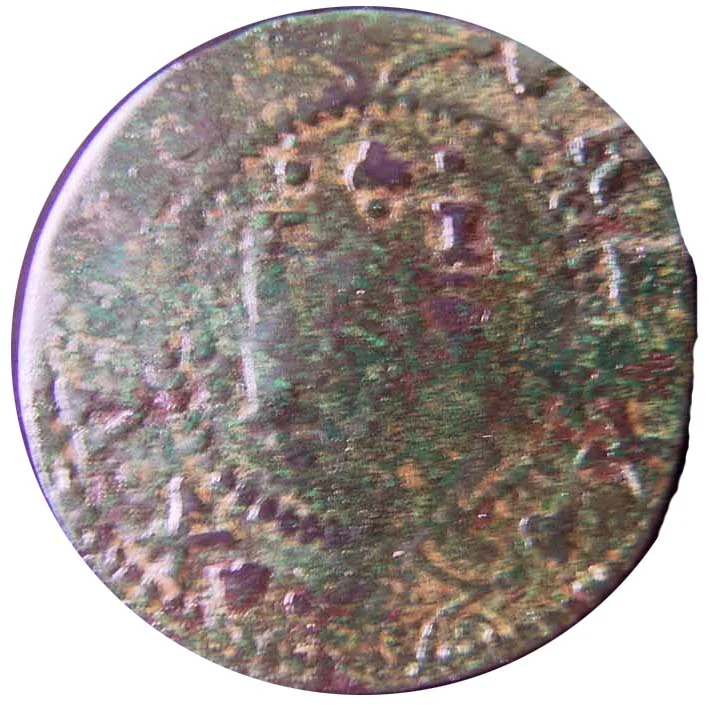
1½ real – Portugal
Add to wishlist
Portugal
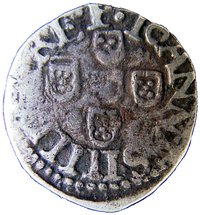
Obverse
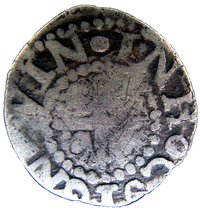
Reverse
Edge
Mints
| Name | Mark |
|---|---|
| Imprensa Nacional - Casa da Moeda | — |
Mintings
| Year | Mint Mark | Mintage | Quality | Collection |
|---|---|---|---|---|
| — | — | — |
Historical background
In 1640, Portugal's currency situation was deeply unstable, a direct consequence of the Iberian Union that had placed the Portuguese crown under Spanish Habsburg rule since 1580. During this period, King Philip IV of Spain systematically drained Portuguese resources to fund Spain's costly wars across Europe, leading to severe fiscal strain. This exploitation included the heavy taxation of Portuguese trade and the siphoning of bullion from Brazil, which crippled the kingdom's ability to manage its own coinage and economy. The monetary system was further destabilized by the widespread circulation of debased Spanish vellón (copper) coinage, which flooded the Portuguese market and caused rampant inflation, eroding public trust in the currency.
The immediate backdrop to the 1640 currency crisis was the Portuguese Restoration War, which began with a successful revolt against Spanish rule on December 1st of that year. The new regime under King John IV faced the monumental task of financing a war for independence while inheriting an empty treasury and a chaotic monetary system. One of the first financial acts of the restored monarchy was to demonetize the hated Spanish copper currency in 1641, a politically necessary but economically disruptive move that aimed to reassert monetary sovereignty but also removed a medium of exchange from an already strained economy.
To fund the war effort, the Portuguese crown resorted to emergency measures that further complicated the currency situation. This included the seizure of private silver, the melting of church plate, and the issuance of new coinage, often of reduced weight and fineness. Revenues from Brazilian sugar and, later, gold were vital but not yet sufficient to stabilize finances. Consequently, 1640 marked the beginning of a prolonged period of monetary experimentation and hardship, where the state's desperate need for liquidity often overrode sound monetary policy, setting a pattern of fiscal challenge that would define the early decades of the restored monarchy.
The immediate backdrop to the 1640 currency crisis was the Portuguese Restoration War, which began with a successful revolt against Spanish rule on December 1st of that year. The new regime under King John IV faced the monumental task of financing a war for independence while inheriting an empty treasury and a chaotic monetary system. One of the first financial acts of the restored monarchy was to demonetize the hated Spanish copper currency in 1641, a politically necessary but economically disruptive move that aimed to reassert monetary sovereignty but also removed a medium of exchange from an already strained economy.
To fund the war effort, the Portuguese crown resorted to emergency measures that further complicated the currency situation. This included the seizure of private silver, the melting of church plate, and the issuance of new coinage, often of reduced weight and fineness. Revenues from Brazilian sugar and, later, gold were vital but not yet sufficient to stabilize finances. Consequently, 1640 marked the beginning of a prolonged period of monetary experimentation and hardship, where the state's desperate need for liquidity often overrode sound monetary policy, setting a pattern of fiscal challenge that would define the early decades of the restored monarchy.
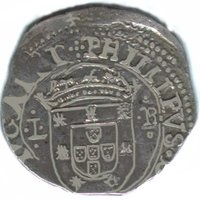
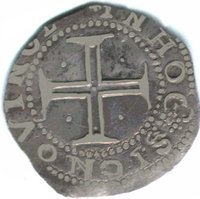
💎 Extremely Rare