

¼ Real – Chile
Chile
Context
Years: 1790–1791
Issuer: Chile 
Ruler: Charles IV
Currency:
(1541—1852)
Demonetized: Yes
Total mintage: 253,000
Material
References
KM: #Click to copy to clipboard43
Numista: #35201
Value
Bullion value: $2.20
Obverse
Description:
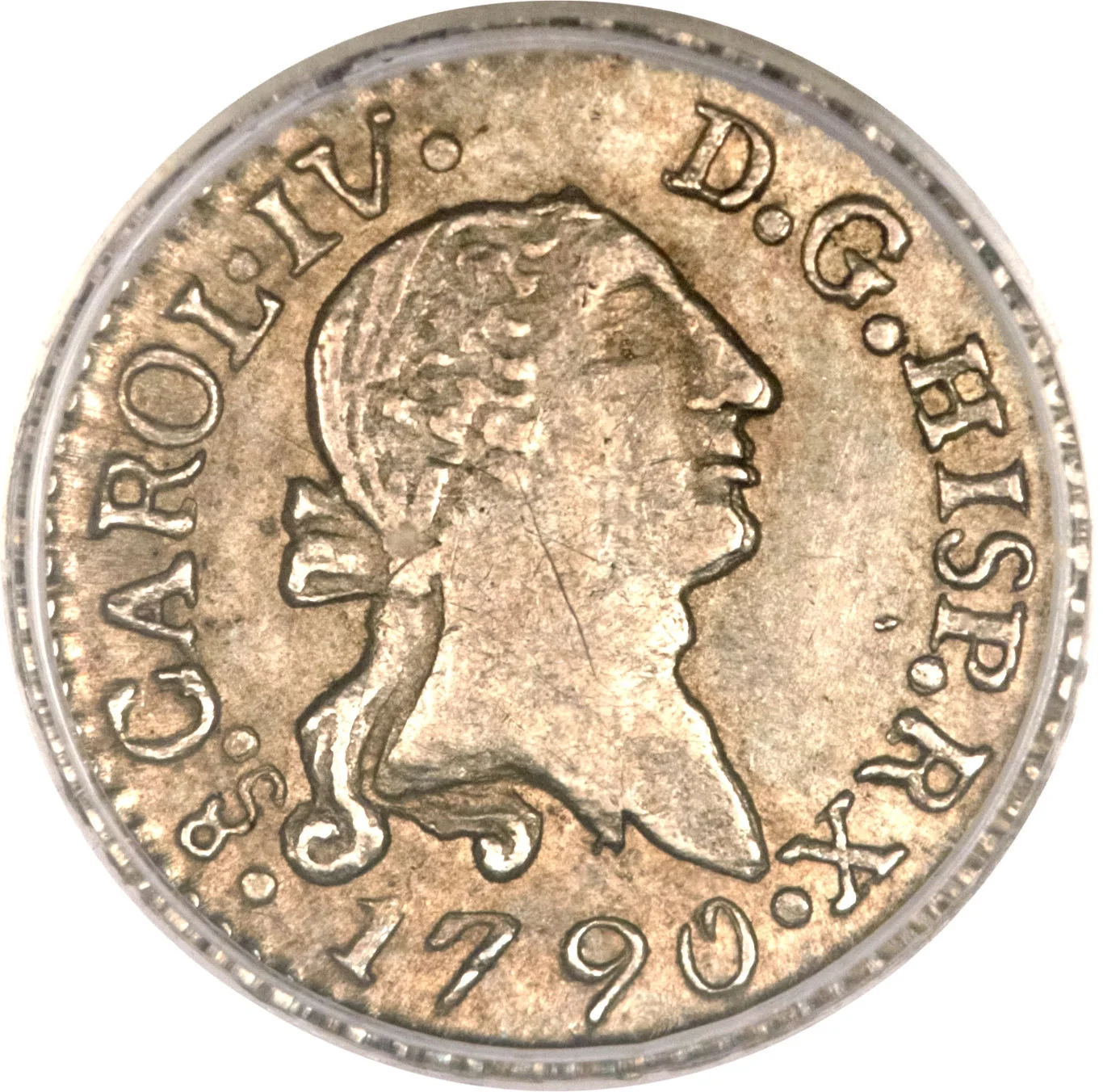
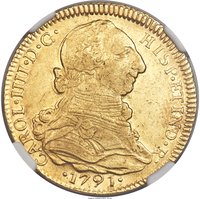
Charles III facing right, date below.
Inscription:
• S̊ • CAROL • IV • D • G • HISP • RX •
1790
1790
Script: Latin
Reverse
Description:
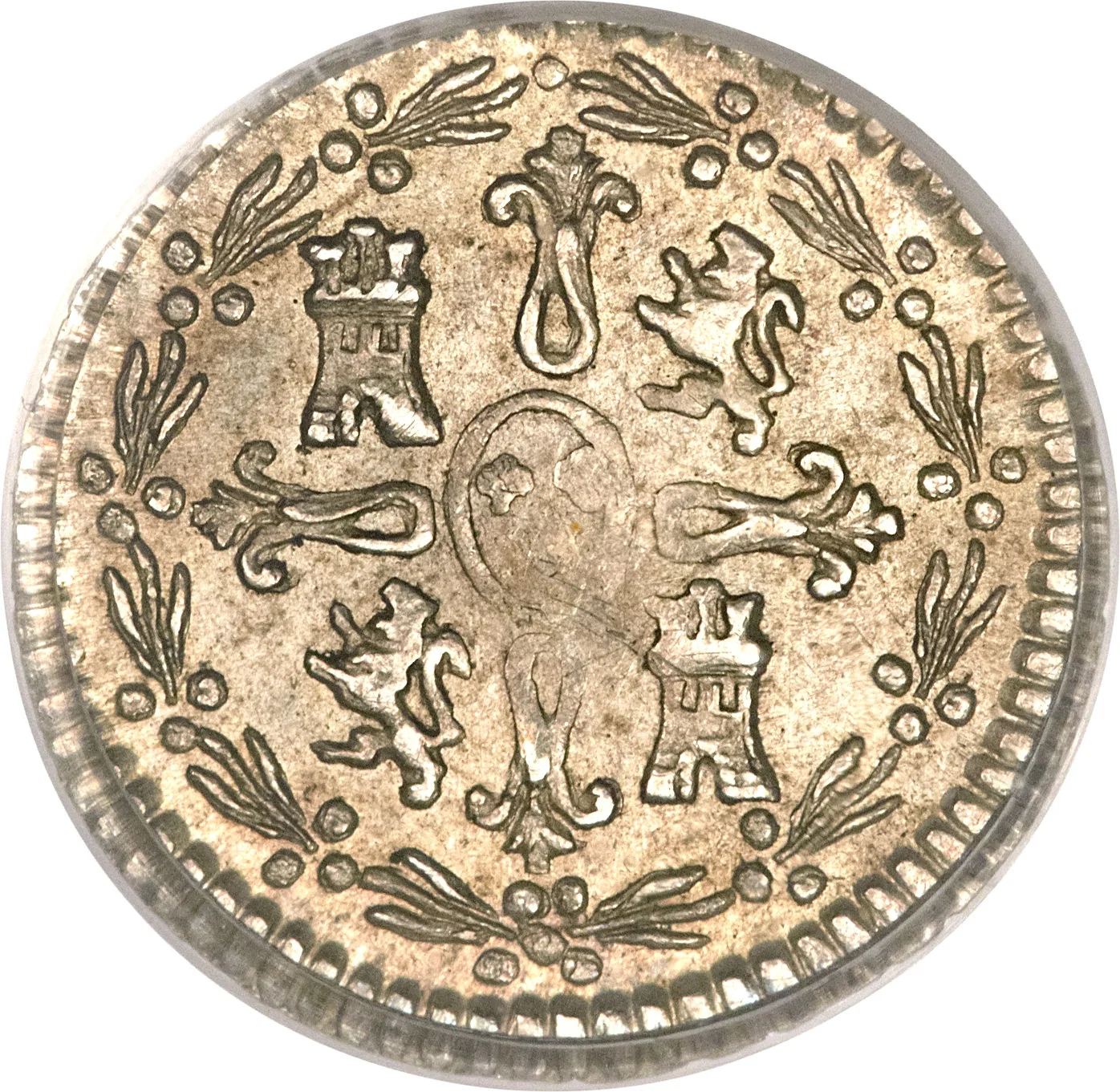
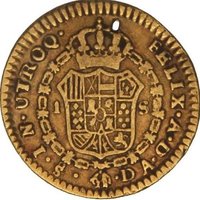
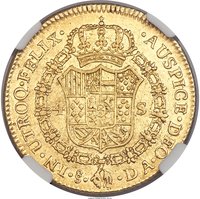
Oval with central fleur-de-lis, alternating towers and lions in quadrants, encircled by a wreath.
Edge
Chained
Mints
| Name | Mark |
|---|---|
| Casa de Moneda de Chile | (So) |
Mintings
| Year | Mint Mark | Mintage | Quality | Collection |
|---|---|---|---|---|
| 1790 | So | — | ||
| 1791 | So | 253,000 |
Historical background
In 1790, the Captaincy General of Chile, a peripheral colony of the Spanish Empire, operated within a complex and often strained monetary system. The official currency was the Spanish real, with 8 reales equaling one peso and 16 reales constituting an escudo. However, the chronic shortage of official coinage minted in Spain or from neighboring viceroyalties was the defining feature of the local economy. This scarcity was due to mercantilist policies that drained precious metals to Spain, limited local minting authority, and Chile's own modest silver production compared to Peru or Mexico.
This lack of specie led to a widespread reliance on substitute currencies and barter. Internally, merchants, large landowners, and religious institutions often used vales (promissory notes) or simple ledger credit for transactions. For everyday trade, common commodities like wheat, tallow, and dried beef often served as a de facto medium of exchange, especially in rural areas. Simultaneously, a multitude of foreign coins—primarily Peruvian pesos but also coins from other European empires and their colonies—circulated unofficially, their value determined by weight and metal content rather than royal decree.
Consequently, the monetary landscape was fragmented and inefficient, hindering commerce and economic development. The Spanish crown maintained strict control, refusing to establish a local mint (the Casa de Moneda de Santiago would not be founded until 1749, and even then operated under tight restrictions). This environment of scarcity and improvisation fostered a system where wealth was often measured in land and agricultural production rather than coin, reinforcing a semi-feudal social structure and creating persistent challenges for merchants and the colonial administration in collecting taxes and facilitating trade.
This lack of specie led to a widespread reliance on substitute currencies and barter. Internally, merchants, large landowners, and religious institutions often used vales (promissory notes) or simple ledger credit for transactions. For everyday trade, common commodities like wheat, tallow, and dried beef often served as a de facto medium of exchange, especially in rural areas. Simultaneously, a multitude of foreign coins—primarily Peruvian pesos but also coins from other European empires and their colonies—circulated unofficially, their value determined by weight and metal content rather than royal decree.
Consequently, the monetary landscape was fragmented and inefficient, hindering commerce and economic development. The Spanish crown maintained strict control, refusing to establish a local mint (the Casa de Moneda de Santiago would not be founded until 1749, and even then operated under tight restrictions). This environment of scarcity and improvisation fostered a system where wealth was often measured in land and agricultural production rather than coin, reinforcing a semi-feudal social structure and creating persistent challenges for merchants and the colonial administration in collecting taxes and facilitating trade.
💎 Extremely Rare