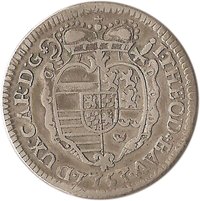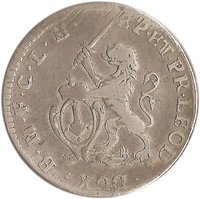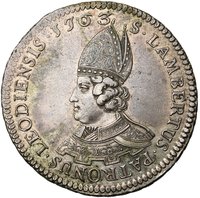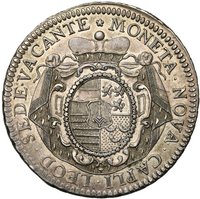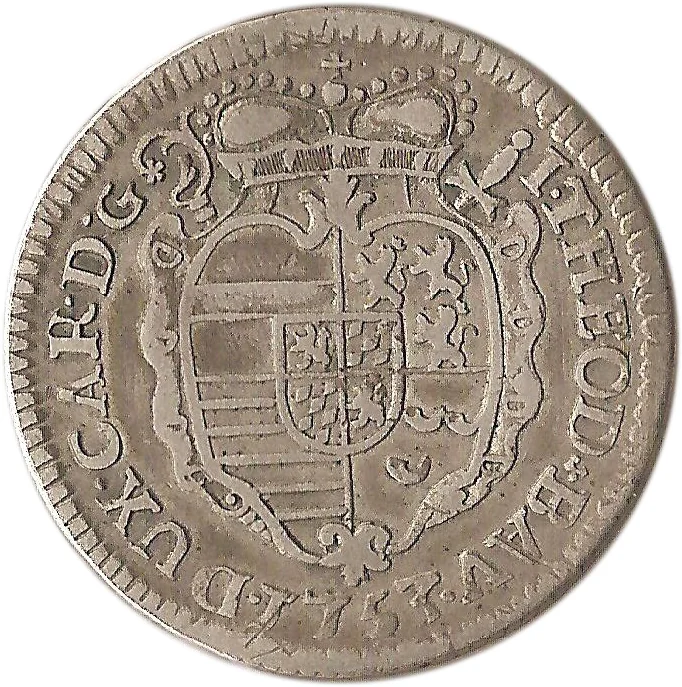
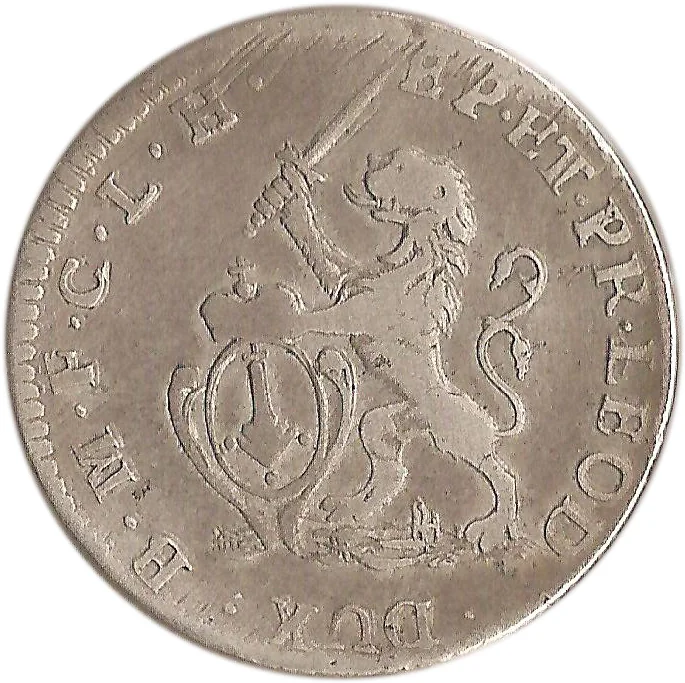
In 1753, the Prince-Bishopric of Liège, a sovereign ecclesiastical state within the Holy Roman Empire, grappled with a complex and deteriorating monetary situation. The core problem was the proliferation of debased coinage, both from within its own mints and from neighboring states. The Bishopric’s extensive rights of
seigniorage (the profit from minting coins) were often farmed out to private individuals who, seeking quick profit, issued coins with lower precious metal content than their face value declared. This practice, combined with an influx of similarly poor-quality foreign coins circulating in the region, led to a classic "bad money drives out good" scenario, where full-weight coins were hoarded or melted down, leaving only the debased currency in everyday use.
The monetary chaos had severe economic consequences. The uncertainty over the real value of coins disrupted trade, discouraged investment, and fueled inflation, harming both merchants and the general populace. While the Prince-Bishop at the time,
Jean-Théodore of Bavaria (r. 1744-1763), was aware of the issue, his authority to enact a decisive reform was constrained. The powerful and independent-minded
Estates of Liège (representing the clergy, nobility, and burghers) held significant fiscal and political power, and any comprehensive monetary reform required their consent, which was difficult to secure due to conflicting interests among the social orders.
Therefore, the background of 1753 is one of stagnation and frustration. It represents a point within a longer period of monetary instability that would persist for decades. While the need for a uniform and honest coinage was widely recognized, effective action was paralyzed by the Bishopric’s complex political constitution. A lasting solution would only begin to materialize later in the century under the more assertive rule of
Prince-Bishop François-Charles de Velbrück (1772-1784), who initiated significant monetary reforms. Thus, in 1753, Liège remained caught in a cycle of debasement and economic disturbance with no immediate resolution in sight.