

1 Kreuzer – Hungary
Hungary

Material
Diameter: 10.2 mm
Weight: 0.57 g
Gold weight: 0.57 g
Shape: Irregular round
Composition: Gold
Magnetic: No
Alignment: Medal alignment
flip
References
KM: #Click to copy to clipboard189
Numista: #111473
Value
Bullion value: $94.86
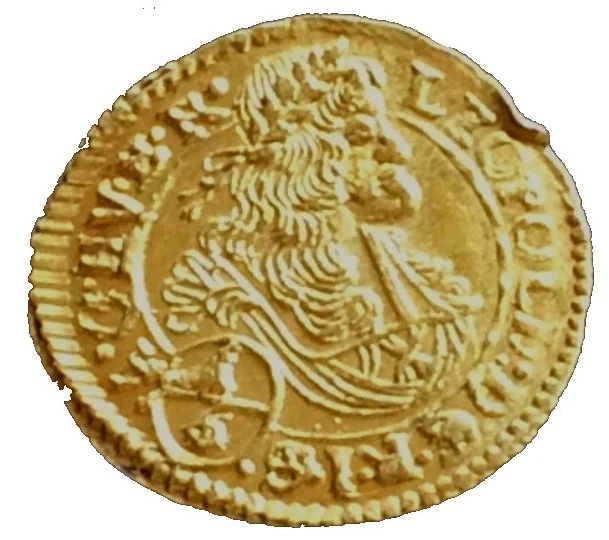
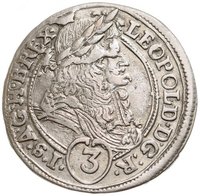
Obverse
Description:
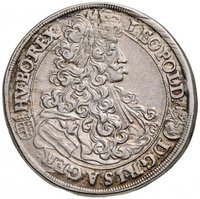
Young bust of Leopold facing right.
Inscription:
LEOPOLD D G R I S A G HV B R
Script: Latin
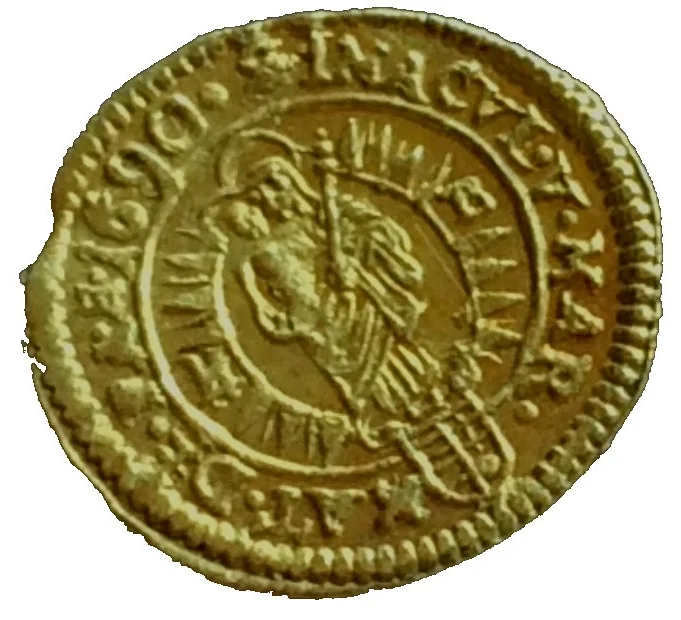
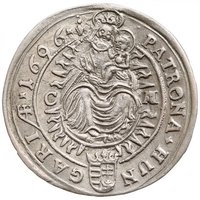
Reverse
Description:
Madonna holding a child and a scepter.
Inscription:
S IMACVL V MAR MAT DEI
Script: Latin
Edge
Mints
| Name | Mark |
|---|---|
| Baia Mare | NB |
Mintings
| Year | Mint Mark | Mintage | Quality | Collection |
|---|---|---|---|---|
| 1690 | N | — |
Historical background
In 1690, Hungary’s currency situation was chaotic and deeply tied to its ongoing war of liberation. The country was divided, with the Habsburg-controlled Royal Hungary in the north and west, the Ottoman Empire holding the central plains, and the Principality of Transylvania in the east. Each authority minted its own coins, leading to a complex and unstable monetary environment. The primary circulating coins in Habsburg territories were silver thalers (Tallér) and copper denars (Denár), but their value and metal content were frequently debased to fund the massive costs of the war against the Ottomans.
This period saw severe inflation, particularly driven by the Habsburg monarchy's financial desperation. To pay for military expenses, the Vienna court authorized the minting of extremely low-quality copper coins, known as "Krajcár" in vast quantities. These coins, with minimal intrinsic value, flooded the market, causing prices to skyrocket and undermining public trust in the currency. The situation was exacerbated by the circulation of older, better-quality coins from earlier reigns, which were often hoarded or melted down, further distorting the economy.
Consequently, Hungary operated on a dysfunctional dual system: official face values dictated by the treasury bore little relation to the actual market value of the debased coins, leading to widespread economic hardship. This monetary instability reflected the broader turmoil of the country, which was not only a battlefield but also a zone of competing economic systems. The crisis would persist until the conclusion of the Great Turkish War at the end of the century, after which more systematic monetary reforms were gradually attempted under Habsburg rule.
This period saw severe inflation, particularly driven by the Habsburg monarchy's financial desperation. To pay for military expenses, the Vienna court authorized the minting of extremely low-quality copper coins, known as "Krajcár" in vast quantities. These coins, with minimal intrinsic value, flooded the market, causing prices to skyrocket and undermining public trust in the currency. The situation was exacerbated by the circulation of older, better-quality coins from earlier reigns, which were often hoarded or melted down, further distorting the economy.
Consequently, Hungary operated on a dysfunctional dual system: official face values dictated by the treasury bore little relation to the actual market value of the debased coins, leading to widespread economic hardship. This monetary instability reflected the broader turmoil of the country, which was not only a battlefield but also a zone of competing economic systems. The crisis would persist until the conclusion of the Great Turkish War at the end of the century, after which more systematic monetary reforms were gradually attempted under Habsburg rule.
✨ Legendary