

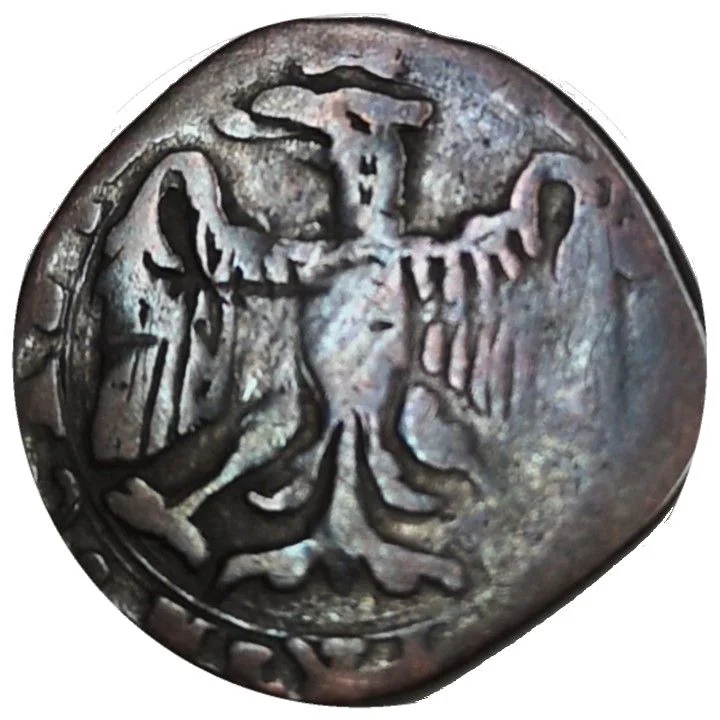
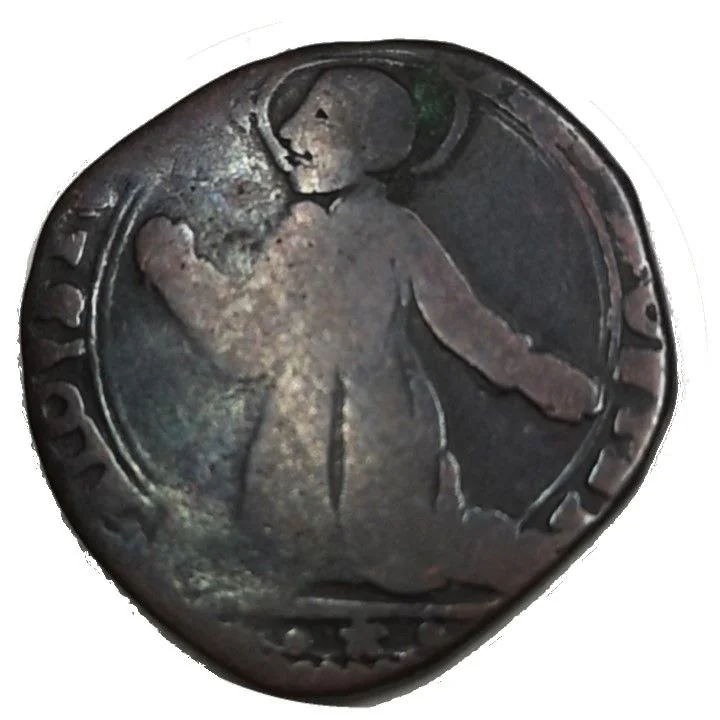
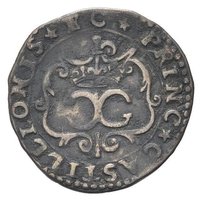
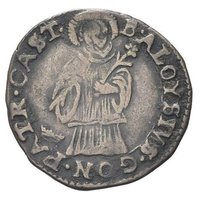
1 soldo – Castiglione Delle Stiviere
Add to wishlist
Italy
Context
Years: 1680–1723
Country: Italy
Issuer: Castiglione Delle Stiviere
Ruler: Ferdinando II
Currency:
Demonetized: Yes
Material
Diameter: 18 mm
Weight: 2 g
Shape: Irregular round
Composition: Billon
Alignment: Medal alignment
flip
References
KM: #
Numista: #320278
Obverse
Reverse
Edge
Mints
| Name | Mark |
|---|---|
| Castiglione delle Stiviere | — |
Mintings
| Year | Mint Mark | Mintage | Quality | Collection |
|---|---|---|---|---|
| — | — | — |
Historical background
In 1680, Castiglione delle Stiviere, a small but significant town in the Duchy of Mantua, operated within a complex and fragmented monetary landscape typical of the Italian peninsula. The official currency was the Mantuan lira, subdivided into soldi and denari, issued by the ruling Gonzaga family. However, the actual daily commerce was dominated by a bewildering variety of foreign coins, reflecting the town's position on trade routes and the political weakness of the Mantuan mint. Spanish reales, Venetian ducats and lire, Florentine florins, and even French écus and Austrian thalers circulated freely, their value determined by weight and precious metal content rather than face value.
This monetary plurality created a constant need for money changers (campsores) and led to frequent disputes, as the intrinsic value of coins often differed from their official legal tender rate set by the ducal authorities. The situation was further complicated by the widespread practice of "clipping" precious metal from coin edges and by the circulation of worn or debased coins, which eroded trust in any single currency. For merchants and the local populace, this meant every transaction required careful assessment and negotiation, making trade cumbersome and risky.
The underlying cause of this chaos was the declining power and fiscal health of the Mantuan state under the Gonzaga-Nevers branch, which lacked the authority to impose a uniform currency. Furthermore, the region was still recovering from the economic devastation of the War of the Mantuan Succession (1628–1631) and a severe plague, which had drained specie from the local economy. Thus, in 1680, Castiglione delle Stiviere's currency situation was one of practical bimetallism (gold and silver) and de facto internationalism, a precarious system held together by merchant conventions and the urgent needs of daily market life, rather than by strong sovereign monetary policy.
This monetary plurality created a constant need for money changers (campsores) and led to frequent disputes, as the intrinsic value of coins often differed from their official legal tender rate set by the ducal authorities. The situation was further complicated by the widespread practice of "clipping" precious metal from coin edges and by the circulation of worn or debased coins, which eroded trust in any single currency. For merchants and the local populace, this meant every transaction required careful assessment and negotiation, making trade cumbersome and risky.
The underlying cause of this chaos was the declining power and fiscal health of the Mantuan state under the Gonzaga-Nevers branch, which lacked the authority to impose a uniform currency. Furthermore, the region was still recovering from the economic devastation of the War of the Mantuan Succession (1628–1631) and a severe plague, which had drained specie from the local economy. Thus, in 1680, Castiglione delle Stiviere's currency situation was one of practical bimetallism (gold and silver) and de facto internationalism, a precarious system held together by merchant conventions and the urgent needs of daily market life, rather than by strong sovereign monetary policy.
✨ Legendary