

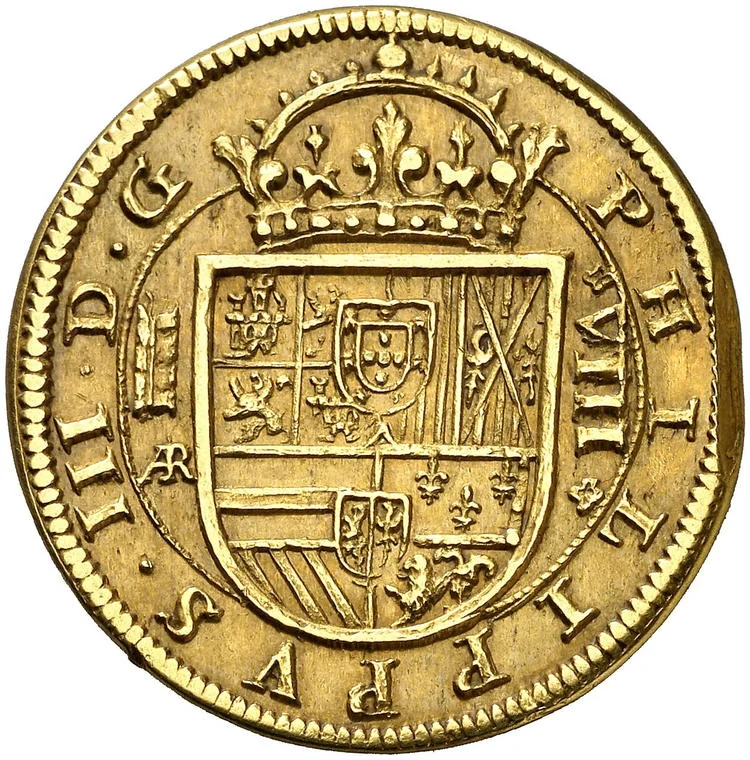
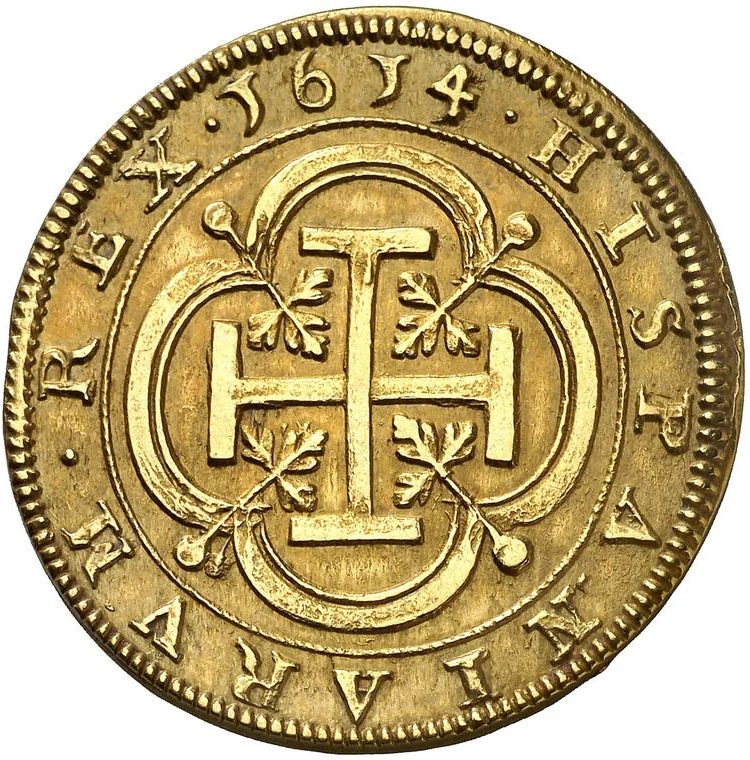
8 escudos – Spain
Add to wishlist
Spain
Context
Material
Diameter: 36 mm
Weight: 27 g
Gold Weight:: 24.76 g
Thickness: 1 mm
Shape: Round
Composition: 91.7% Gold
Magnetic: No
Technique: Roller milled
References
KM: #
Numista: #111214
Value
Bullion value: $3798.05
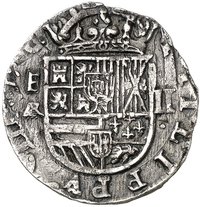
Obverse
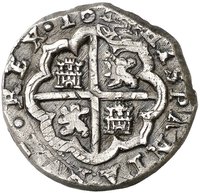
Reverse
Edge
Mints
| Name | Mark |
|---|---|
| Royal Mint of Segovia | — |
Mintings
| Year | Mint Mark | Mintage | Quality | Collection |
|---|---|---|---|---|
| 1610 | CA | — | ||
| 1611 | C | — | ||
| 1614 | AR | — | ||
| 1615 | A | — |
Historical background
In 1610, Spain's currency system was a complex and strained reflection of its vast global empire. The primary unit was the real, with the famous piece of eight (8 reales) serving as a crucial international trade coin, widely circulated from the Americas to Asia. However, the system was officially bimetallic, based on both silver and gold, with the gold escudo (worth 16 silver reales) representing high-value transactions. This period saw a proliferation of coins from different mints within Spain and its territories, leading to inconsistencies in weight and fineness, which complicated commerce and encouraged clipping and counterfeiting.
The underlying economic reality was one of severe monetary instability, driven by the massive influx of precious metals from the New World, particularly the silver mines of Potosí. While this bullion flood had initially funded Spain's military might in the 16th century, it had also triggered rampant inflation—known as the "Price Revolution"—across Europe. By 1610, the Crown was grappling with the consequences: the real value of its tax income was falling, and its commitments, especially the enormous costs of continuous warfare in the Netherlands and elsewhere, were unsustainable. This fiscal pressure led to repeated manipulations of the coinage.
Consequently, the Spanish monarchy resorted to desperate financial measures that directly impacted the currency. These included debasement (reducing the silver content in coins) and the issuance of vast amounts of copper token money, the vellón. The overproduction of pure copper vellón coins, intended to meet day-to-day transactional needs, began to drive silver out of circulation (Gresham's Law) and caused severe price inflation within Spain itself. Thus, in 1610, Spain stood at a critical juncture, its global currency prestige undermined by internal fiscal decay and a growing disconnect between its nominal monetary power and its deteriorating real economic health.
The underlying economic reality was one of severe monetary instability, driven by the massive influx of precious metals from the New World, particularly the silver mines of Potosí. While this bullion flood had initially funded Spain's military might in the 16th century, it had also triggered rampant inflation—known as the "Price Revolution"—across Europe. By 1610, the Crown was grappling with the consequences: the real value of its tax income was falling, and its commitments, especially the enormous costs of continuous warfare in the Netherlands and elsewhere, were unsustainable. This fiscal pressure led to repeated manipulations of the coinage.
Consequently, the Spanish monarchy resorted to desperate financial measures that directly impacted the currency. These included debasement (reducing the silver content in coins) and the issuance of vast amounts of copper token money, the vellón. The overproduction of pure copper vellón coins, intended to meet day-to-day transactional needs, began to drive silver out of circulation (Gresham's Law) and caused severe price inflation within Spain itself. Thus, in 1610, Spain stood at a critical juncture, its global currency prestige undermined by internal fiscal decay and a growing disconnect between its nominal monetary power and its deteriorating real economic health.
✨ Legendary