

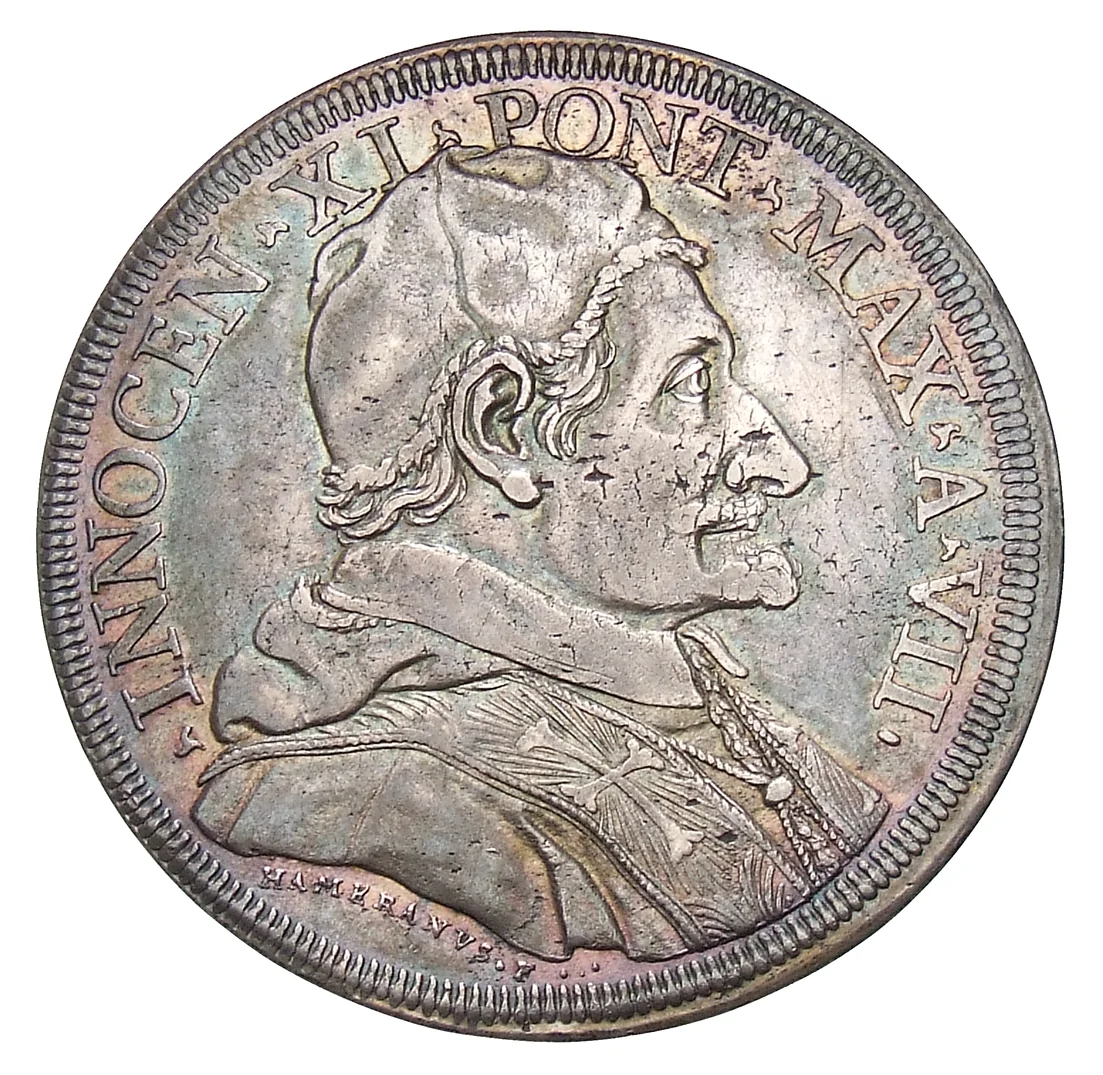
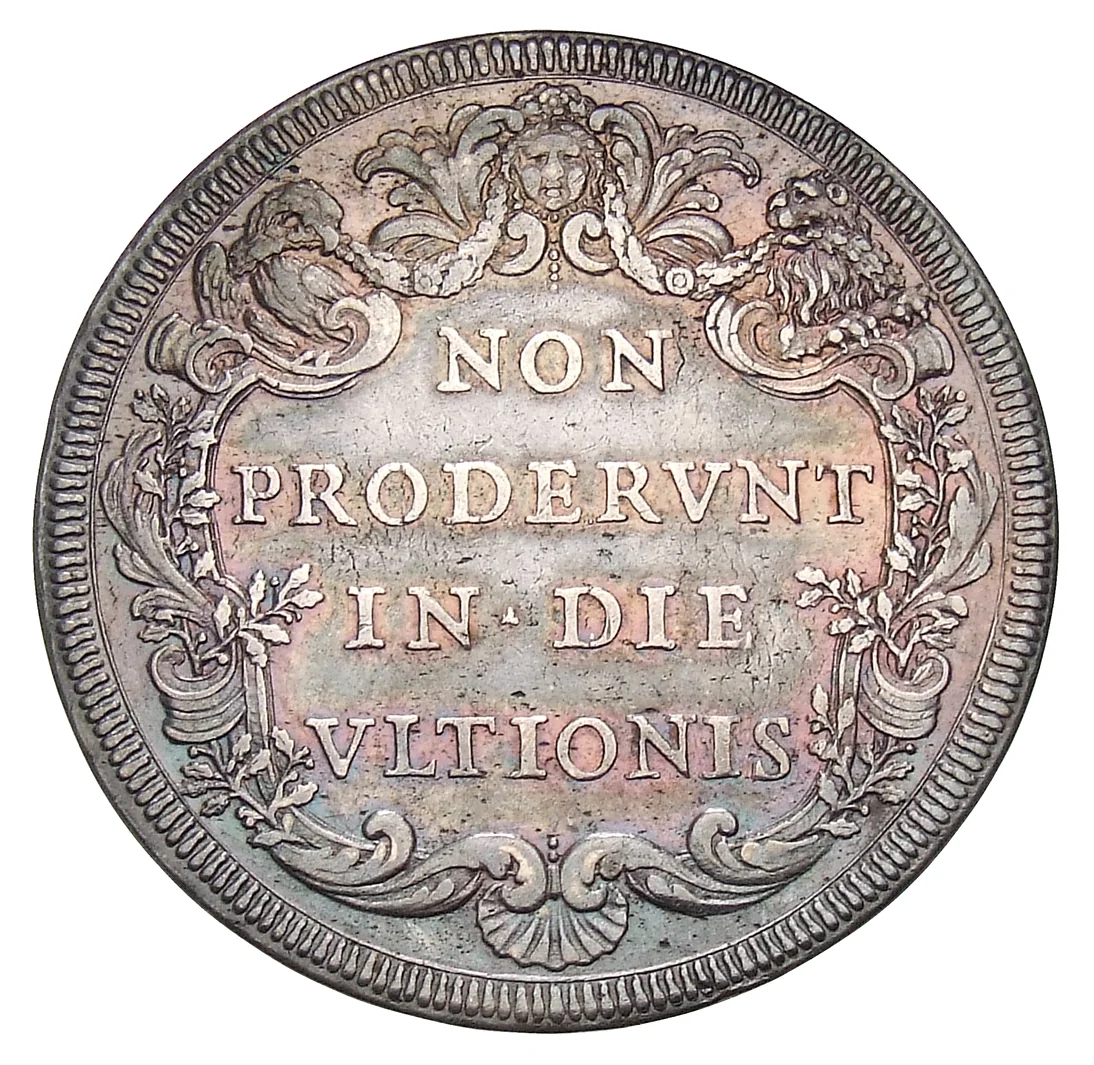
1 piastra – Papal States
Add to wishlist
Vatican City
Context
Year: 1682
Country: Vatican City
Issuer: Papal States
Ruler: Innocent XI
Currency:
(1534—1835)
Demonetized: Yes
Material
References
KM: #
Numista: #29333
Value
Bullion value: $74.61
Obverse
Reverse
Description:
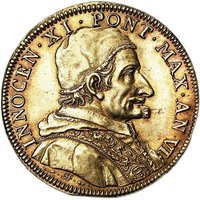
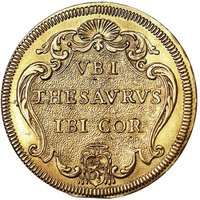
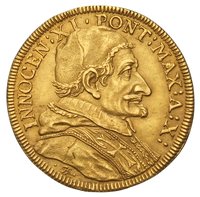
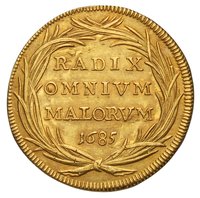
Mask within wreath, four-line inscription.
Inscription:
NON
PRODERVNT
IN · DIE
VLTIONIS
PRODERVNT
IN · DIE
VLTIONIS
Script: Latin
Edge
Plain
Mints
| Name | Mark |
|---|---|
| Rome | — |
Mintings
| Year | Mint Mark | Mintage | Quality | Collection |
|---|---|---|---|---|
| 1682 | — | — |
Historical background
In 1682, the Papal States operated under a complex and often chaotic monetary system, typical of many Italian states before unification. There was no single, unified Papal currency; instead, a multitude of coins circulated simultaneously. These included coins minted by the Apostolic Camera in Rome (like the giulio, paolo, and scudo), coins from other papal mint cities such as Bologna and Avignon, and a vast array of foreign currencies from other Italian states, Spain, and the Holy Roman Empire. The value of these coins was not strictly tied to their metal content but was often set by official proclamation, leading to a system of "crying up" or "crying down" coins (criazione).
This period fell within the long pontificate of Pope Innocent XI (1676-1689), who was known for his austere fiscal policies and attempts at economic reform. Faced with the financial strains of maintaining the state and funding the wars against the Ottoman Empire (notably the relief of Vienna in 1683), the Papal treasury was under pressure. While outright debasement was less common than in previous centuries, the government struggled to control the exchange rates between the large silver scudo (the primary unit of account) and the smaller circulating copper and billon coins used in everyday transactions. This often led to chronic shortages of small change, causing hardship for the common people.
Furthermore, the monetary landscape was plagued by wear, clipping, and counterfeiting of coins, which eroded public trust. The authorities responded with periodic edicts to re-tariff the acceptable value of specific coinages in an attempt to stabilize commerce and state finances. Thus, the currency situation in 1682 was one of fragile and managed multiplicity, where the Pope's temporal authority was constantly tested by the practical challenges of a pre-modern, bimetallic, and internationally interdependent economy.
This period fell within the long pontificate of Pope Innocent XI (1676-1689), who was known for his austere fiscal policies and attempts at economic reform. Faced with the financial strains of maintaining the state and funding the wars against the Ottoman Empire (notably the relief of Vienna in 1683), the Papal treasury was under pressure. While outright debasement was less common than in previous centuries, the government struggled to control the exchange rates between the large silver scudo (the primary unit of account) and the smaller circulating copper and billon coins used in everyday transactions. This often led to chronic shortages of small change, causing hardship for the common people.
Furthermore, the monetary landscape was plagued by wear, clipping, and counterfeiting of coins, which eroded public trust. The authorities responded with periodic edicts to re-tariff the acceptable value of specific coinages in an attempt to stabilize commerce and state finances. Thus, the currency situation in 1682 was one of fragile and managed multiplicity, where the Pope's temporal authority was constantly tested by the practical challenges of a pre-modern, bimetallic, and internationally interdependent economy.
✨ Legendary