

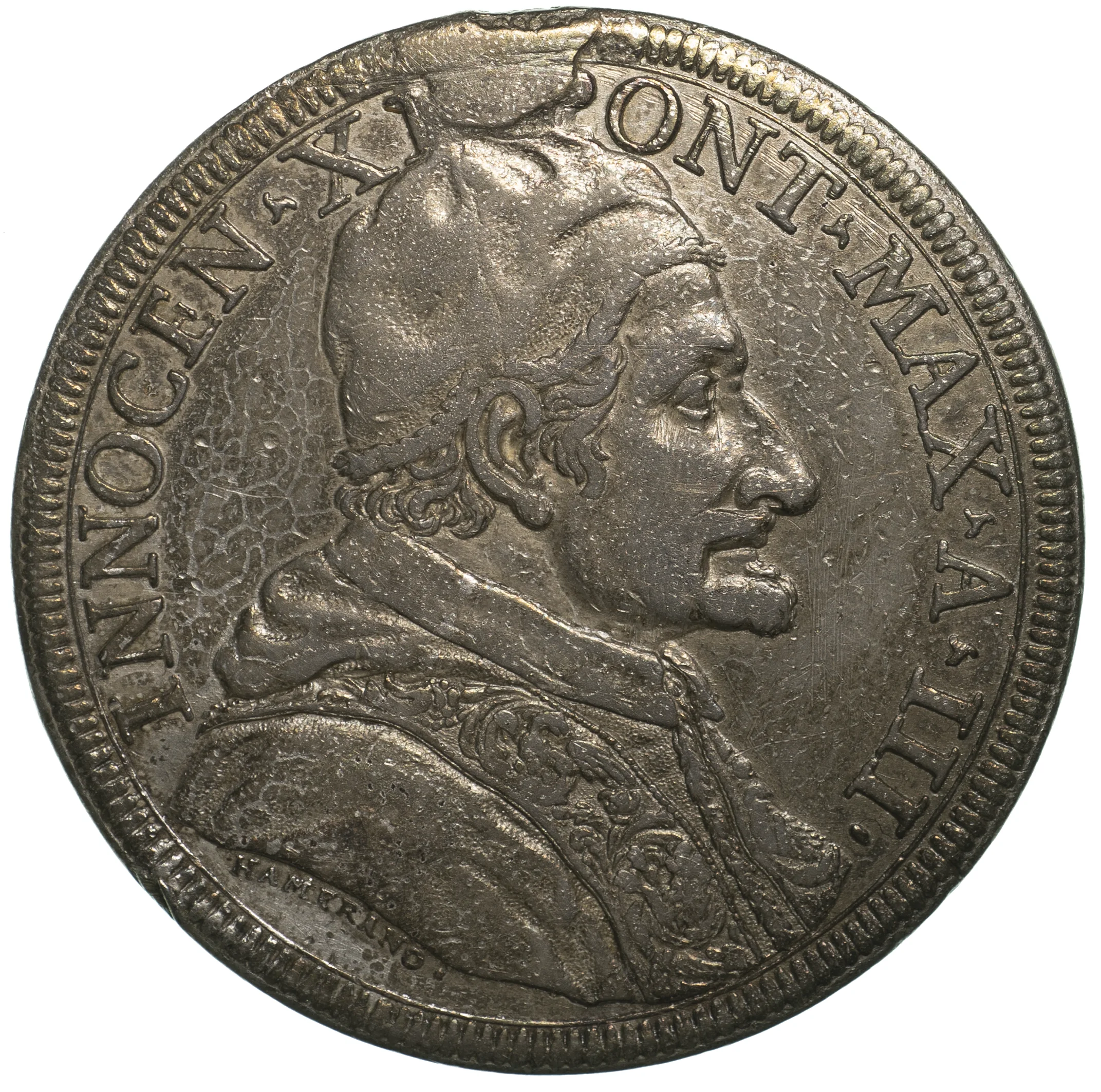
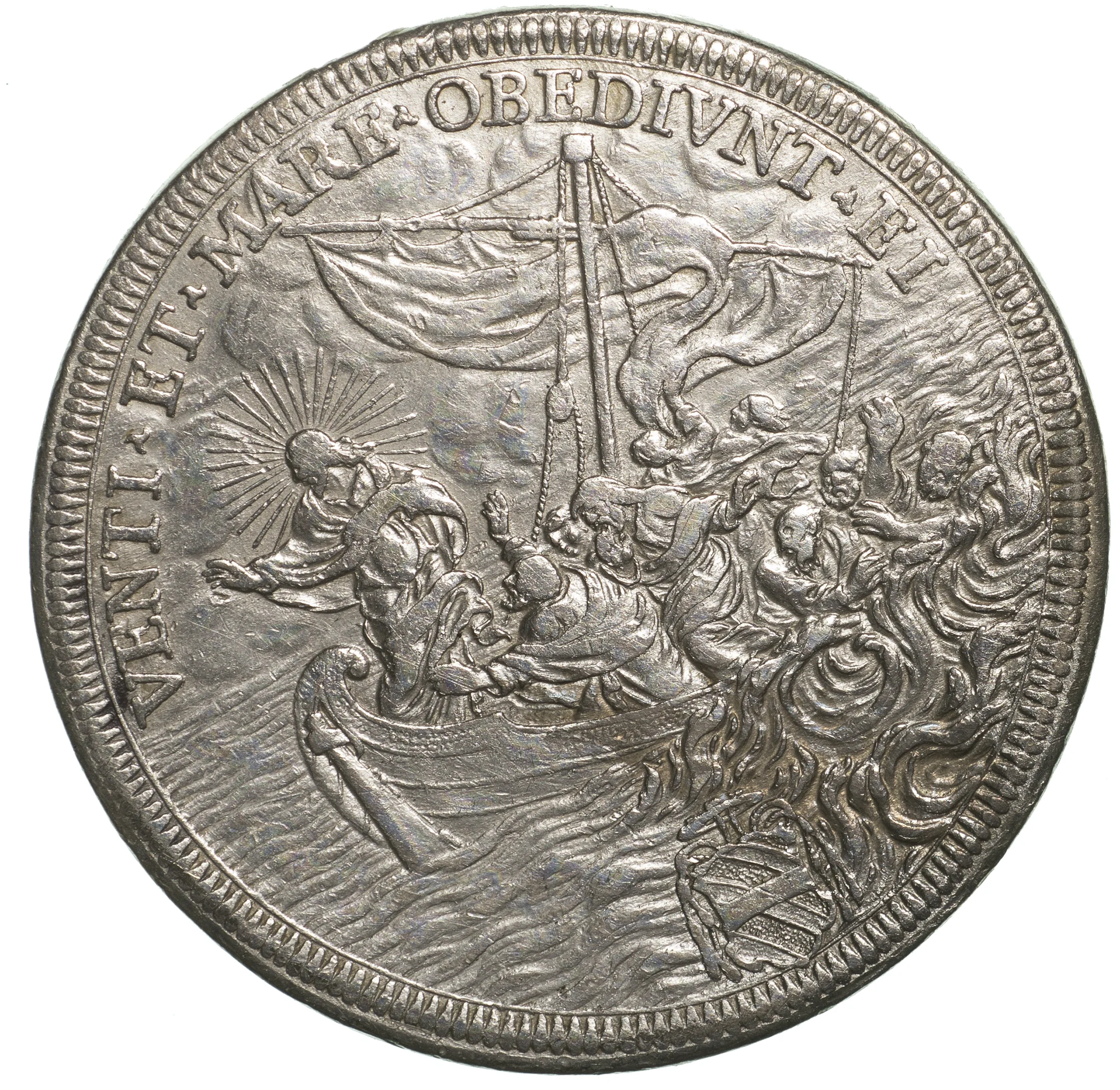
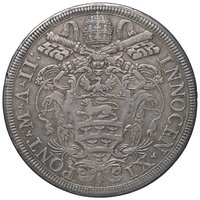
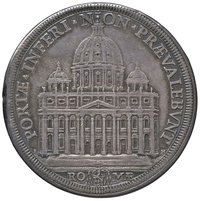
1 piastra – Papal States
Add to wishlist
Vatican City
Context
Year: 1678
Country: Vatican City
Issuer: Papal States
Ruler: Innocent XI
Currency:
(1534—1835)
Demonetized: Yes
Material
References
KM: #
Numista: #29332
Obverse
Reverse
Edge
Plain
Mintings
| Year | Mint Mark | Mintage | Quality | Collection |
|---|---|---|---|---|
| 1678 | — | — |
Historical background
In 1678, the Papal States under Pope Innocent XI faced a complex and strained currency situation typical of the early modern Italian peninsula. The monetary system was a bimetallic one, based on silver scudi and copper baiocchi, but it was plagued by chronic instability. A primary issue was the widespread circulation of debased and foreign coins, particularly low-quality silver pieces from Spain and Naples, which drove higher-quality papal coinage out of circulation (Gresham's Law). This erosion of sound currency disrupted commerce, created price volatility, and reduced the real value of tax revenues collected by the Apostolic Camera, the papal treasury.
The root causes were both external and internal. Externally, the Papal States were economically integrated into a Mediterranean and European system where neighboring states frequently debased their own coinage to finance wars or cover deficits, flooding the market with inferior money. Internally, the Papacy itself had a long history of occasionally debasing its coinage to meet fiscal shortfalls, undermining public trust. Furthermore, the numerous papal mints (in Rome, Bologna, and elsewhere) sometimes struggled with consistency and enforcement, making it difficult to control the money supply and prevent counterfeiting.
Pope Innocent XI, known for his fiscal austerity and administrative reforms, was acutely aware of these problems. His pontificate (1676-1689) focused on stabilizing papal finances, and monetary reform was a key component. While major sweeping ordinances would be promulgated later in his reign, the year 1678 fell within a period of intense scrutiny and preparation. Efforts were likely underway to assay circulating coinage, plan for recalls of debased issues, and strengthen controls at the mints, all aimed at restoring the integrity and reputation of the currency as part of a broader project to ensure the temporal sovereignty and financial health of the Papal States.
The root causes were both external and internal. Externally, the Papal States were economically integrated into a Mediterranean and European system where neighboring states frequently debased their own coinage to finance wars or cover deficits, flooding the market with inferior money. Internally, the Papacy itself had a long history of occasionally debasing its coinage to meet fiscal shortfalls, undermining public trust. Furthermore, the numerous papal mints (in Rome, Bologna, and elsewhere) sometimes struggled with consistency and enforcement, making it difficult to control the money supply and prevent counterfeiting.
Pope Innocent XI, known for his fiscal austerity and administrative reforms, was acutely aware of these problems. His pontificate (1676-1689) focused on stabilizing papal finances, and monetary reform was a key component. While major sweeping ordinances would be promulgated later in his reign, the year 1678 fell within a period of intense scrutiny and preparation. Efforts were likely underway to assay circulating coinage, plan for recalls of debased issues, and strengthen controls at the mints, all aimed at restoring the integrity and reputation of the currency as part of a broader project to ensure the temporal sovereignty and financial health of the Papal States.
✨ Legendary