

3 Tari – Malta
Malta
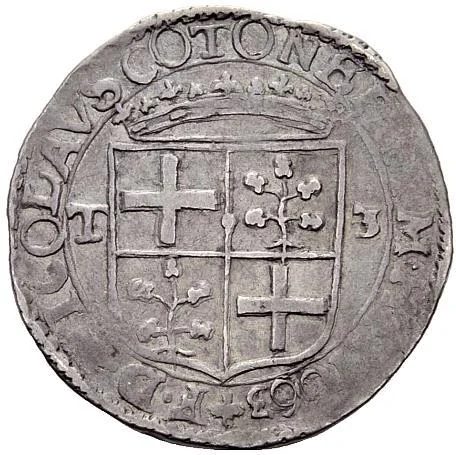
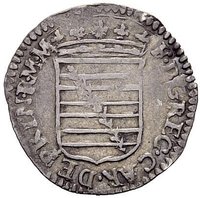
Obverse
Description:
Crowned arms of Nicolas Cotoner flank the value.
Inscription:
☩ F • D • NICOLAVS COTONER • M • M • H • H 1663
T 3
T 3
Script: Latin
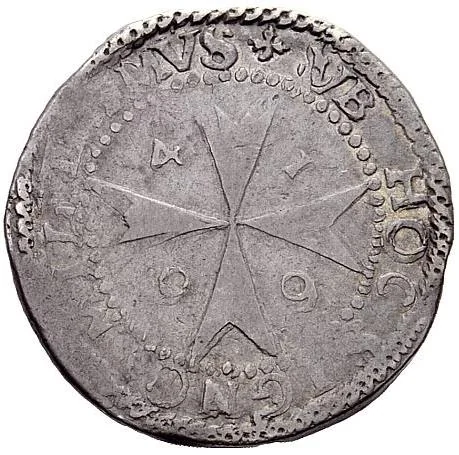
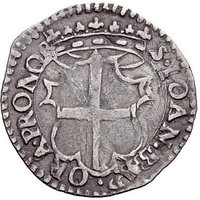
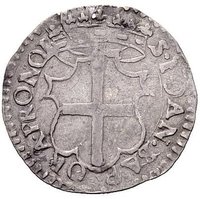
Reverse
Description:
Maltese cross with date in its angles.
Inscription:
☩ SVB • HOC • SIGNO • MILITAMVS
Script: Latin
Edge
Mintings
| Year | Mint Mark | Mintage | Quality | Collection |
|---|---|---|---|---|
| 1664 | — | — | ||
| 1665 | — | — | ||
| 1666 | — | — |
Historical background
In 1664, Malta's currency situation was complex and fragmented, reflecting its position as a strategic crossroads under the rule of the Knights of St. John. The primary unit of account was the Maltese scudo, but a multitude of physical coins from across Europe and the Mediterranean circulated on the islands. These included Spanish pieces of eight (reales), Venetian sequins and ducats, French écus, and Ottoman piastres, all valued by their precious metal content. This proliferation created a chaotic marketplace where merchants and officials had to constantly refer to official avvisi (bulletins) that published fluctuating exchange rates between these foreign coins and the notional scudo.
The Knights' government struggled with chronic shortages of small-denomination coinage for everyday transactions, a problem exacerbated by the export of full-weight silver and gold coins to pay for essential grain and supplies, which were often imported. To address this, the Treasury periodically issued low-value grani and tari coins in copper and billon (debased silver). However, these local issues were frequently underweight or debased, leading to public distrust and a tendency to hoard higher-value foreign silver. The system was inherently unstable, as the value of the accounting scudo drifted from the actual metal value of the coins in circulation.
This monetary confusion posed significant challenges to commerce and governance. The Knights derived substantial revenue from their corsairing activities, and the sale of prizes and captives injected more foreign coin into an already tangled system. Efforts at reform were piecemeal, as the Order lacked the sovereign minting capacity of a major European power. Consequently, Malta in 1664 operated with a de facto bimetallic system reliant on foreign specie, plagued by instability, fraud, and administrative headache, a reality that would persist until more centralized reforms were attempted in the following decades.
The Knights' government struggled with chronic shortages of small-denomination coinage for everyday transactions, a problem exacerbated by the export of full-weight silver and gold coins to pay for essential grain and supplies, which were often imported. To address this, the Treasury periodically issued low-value grani and tari coins in copper and billon (debased silver). However, these local issues were frequently underweight or debased, leading to public distrust and a tendency to hoard higher-value foreign silver. The system was inherently unstable, as the value of the accounting scudo drifted from the actual metal value of the coins in circulation.
This monetary confusion posed significant challenges to commerce and governance. The Knights derived substantial revenue from their corsairing activities, and the sale of prizes and captives injected more foreign coin into an already tangled system. Efforts at reform were piecemeal, as the Order lacked the sovereign minting capacity of a major European power. Consequently, Malta in 1664 operated with a de facto bimetallic system reliant on foreign specie, plagued by instability, fraud, and administrative headache, a reality that would persist until more centralized reforms were attempted in the following decades.
✨ Legendary