

1 mun – Joseon
Add to wishlist
Context
Material
Diameter: 24 mm
Weight: 3.1 g
Thickness: 1.2 mm
Shape: Round with a square hole
Composition: Copper
Standard: Gold tenth ounce
Magnetic: No
Technique: Cast
References
KM: #
Numista: #29060
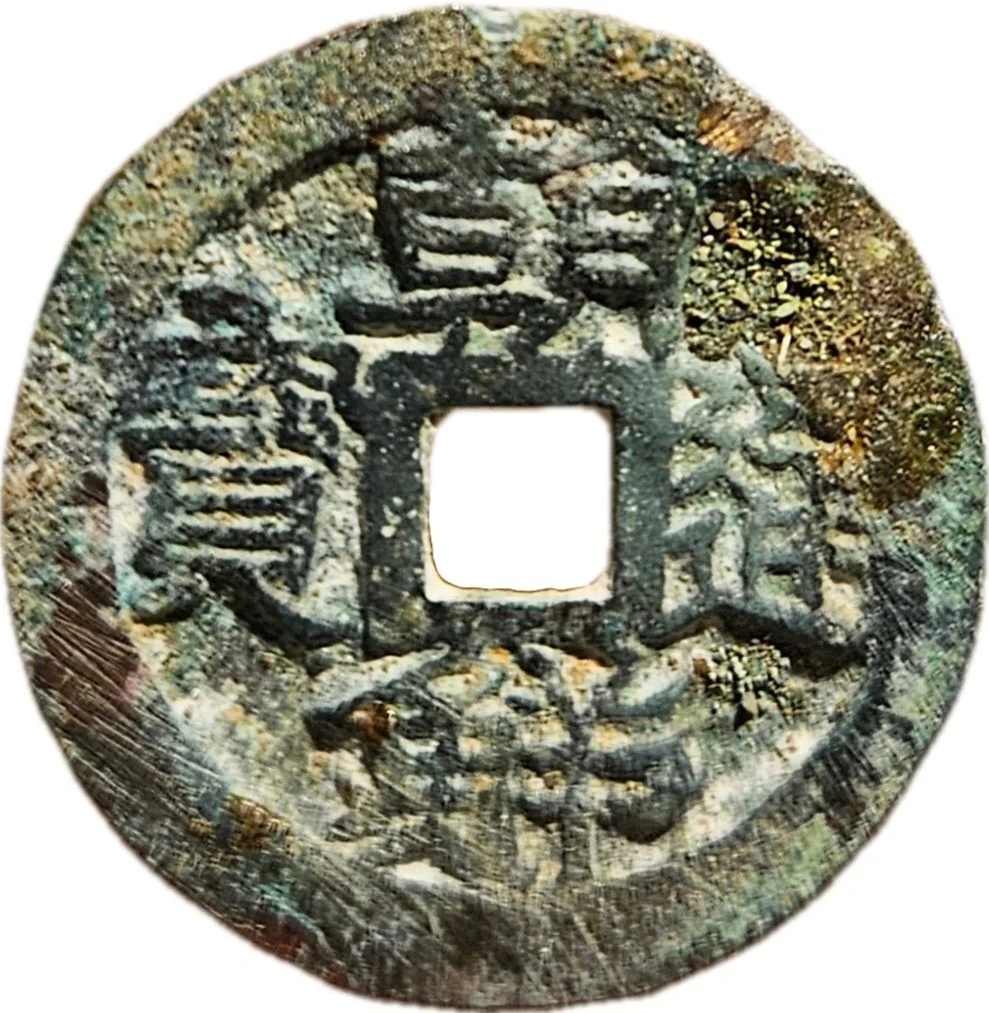
Obverse
Description:
朝鮮通寶: Joseon currency.
Inscription:
朝
寶 通
鮮
寶 通
鮮
Scripts: Chinese (traditional, clerical script)
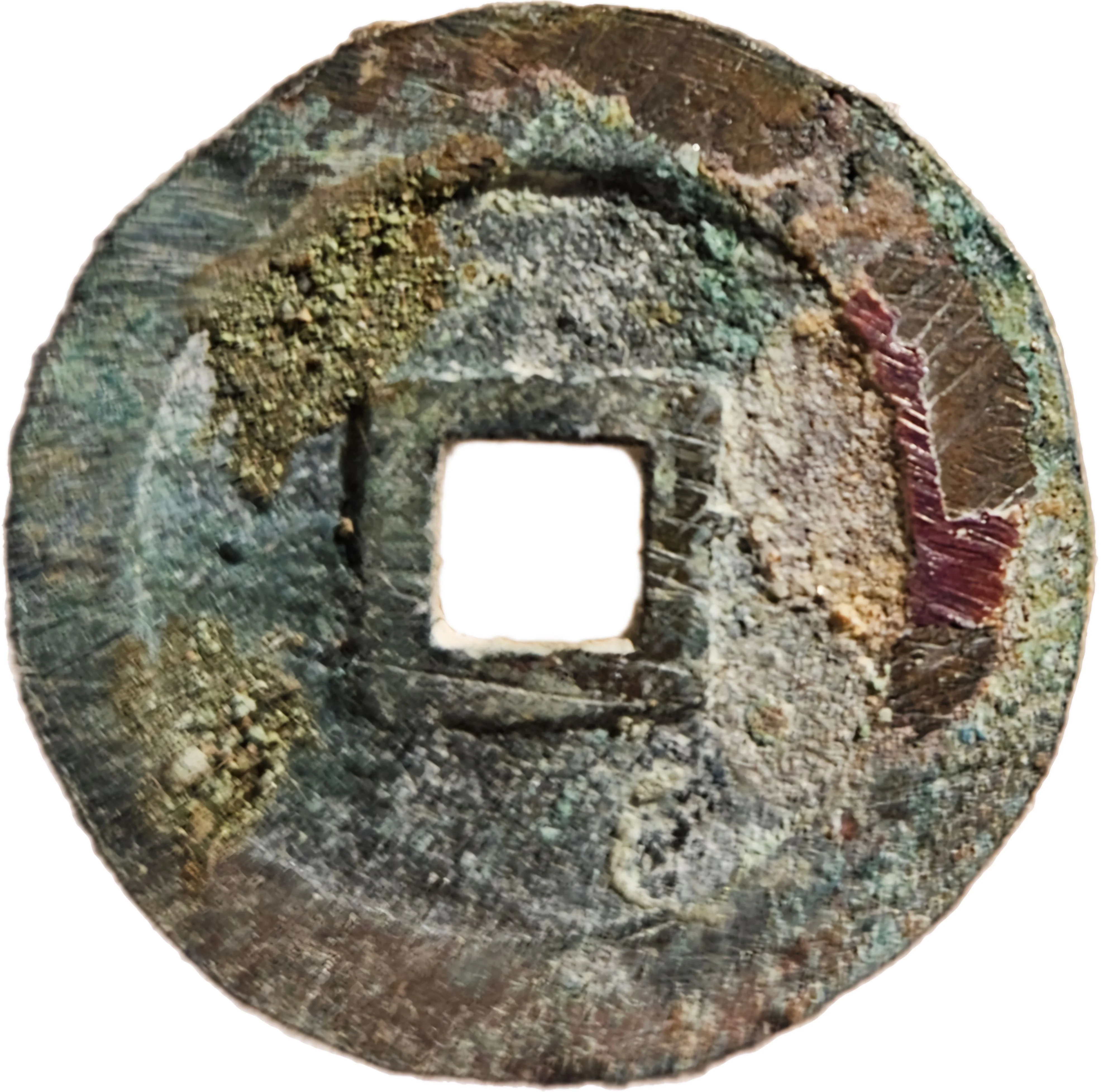
Reverse
Description:
Blank.
Edge
Mints
| Name | Mark |
|---|---|
| Treasury Department | — |
Mintings
| Year | Mint Mark | Mintage | Quality | Collection |
|---|---|---|---|---|
| 1633 | — | — |
Historical background
In 1633, the currency system of the Joseon Dynasty was in a state of profound dysfunction and transition. The primary medium of exchange remained "punjang" or "knotted cloth," a system where standardized bolts of cotton and hemp cloth served as both a commodity and a unit of account, reflecting a deeply rooted preference for a tangible, material-based economy. While copper "sangpyeong tongbo" coins had been minted intermittently since the late 16th century, their circulation was severely limited. Public distrust in base-metal coinage, administrative inefficiency, and a lack of raw copper for minting meant that coins failed to gain widespread acceptance, leaving the economy reliant on an inefficient and bulky cloth currency alongside rice and silver for larger transactions.
This monetary stagnation occurred against a backdrop of recent devastation and external pressure. The kingdom was still recovering from the catastrophic Imjin War (1592-1598) and the subsequent Manchu invasions of 1627 and 1636, which had ravaged agriculture, dislocated populations, and drained state resources. The court in Hanseong was acutely aware of the economic and military strength of the Ming Dynasty and the rising Manchu (Later Jin/Qing) threat, both of which used sophisticated coinage systems. There was a growing intellectual realization, particularly among reform-minded Silhak scholars, that a reliable standardized coinage was essential for commercial growth, efficient taxation, and ultimately, national strength.
Consequently, 1633 falls within a period of earnest but struggling monetary experimentation. King Injo’s court had reopened the mint in 1625, but output remained low and circulation patchy. The fundamental conflict was between a conservative agrarian aristocracy, who benefited from the in-kind tax system and viewed coinage with suspicion, and pragmatic officials who saw currency as a tool for economic recovery and central authority. Thus, the currency situation in 1633 was one of a strained hybrid system, caught between the old world of cloth and grain and a necessary but uncertain future of coinage, all while the kingdom faced immense fiscal pressures to rebuild and defend itself.
This monetary stagnation occurred against a backdrop of recent devastation and external pressure. The kingdom was still recovering from the catastrophic Imjin War (1592-1598) and the subsequent Manchu invasions of 1627 and 1636, which had ravaged agriculture, dislocated populations, and drained state resources. The court in Hanseong was acutely aware of the economic and military strength of the Ming Dynasty and the rising Manchu (Later Jin/Qing) threat, both of which used sophisticated coinage systems. There was a growing intellectual realization, particularly among reform-minded Silhak scholars, that a reliable standardized coinage was essential for commercial growth, efficient taxation, and ultimately, national strength.
Consequently, 1633 falls within a period of earnest but struggling monetary experimentation. King Injo’s court had reopened the mint in 1625, but output remained low and circulation patchy. The fundamental conflict was between a conservative agrarian aristocracy, who benefited from the in-kind tax system and viewed coinage with suspicion, and pragmatic officials who saw currency as a tool for economic recovery and central authority. Thus, the currency situation in 1633 was one of a strained hybrid system, caught between the old world of cloth and grain and a necessary but uncertain future of coinage, all while the kingdom faced immense fiscal pressures to rebuild and defend itself.
✨ Legendary