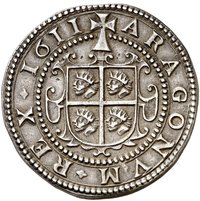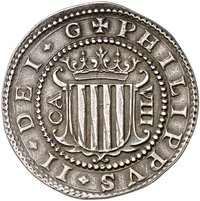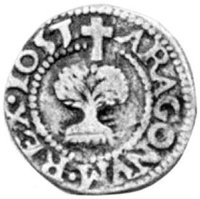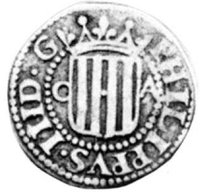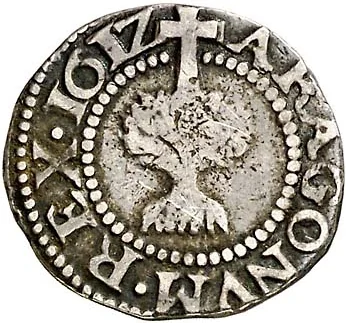
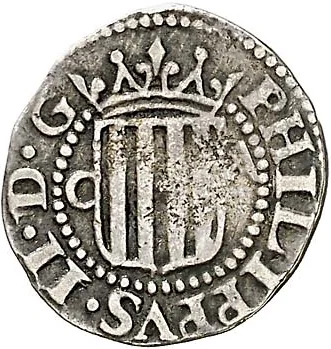
In 1612, the Kingdom of Aragon, while united under the Spanish Crown with Castile since the late 15th century, maintained a distinct monetary system that reflected its historic autonomy. The official currency was the
Aragonese libra (pound), divided into 20
sueldos (shillings) or 240
dineros (pence). However, this system was largely a unit of account for contracts and official records. The physical coins circulating in the markets were a complex mix, dominated by powerful foreign currencies like the Venetian ducat, the French
écu, and especially the Castilian
real and its larger sibling, the
escudo. This proliferation of foreign coinage, each with fluctuating values, created a chaotic and inefficient daily commerce, requiring constant exchange and valuation.
The monetary situation was further strained by the broader economic policies of the Spanish Habsburg monarchy. The Crown, frequently engaged in costly European wars, was grappling with severe inflation (the "Price Revolution") and repeated state bankruptcies, which devalued the currency. While Aragon was largely exempt from the direct taxes levied on Castile, it was not insulated from these macroeconomic shocks. The influx of American silver via Seville increased the money supply across the peninsula, but also drove up prices, eroding the purchasing power of all coins in circulation within Aragon's economy.
Consequently, the year 1612 fell within a period of significant monetary tension. Local authorities and merchants in Zaragoza and other cities struggled with the practical challenges of this multi-currency environment, where the official Aragonese accounting system existed alongside a de facto circulation of heterogeneous and unstable coins. This dissonance between the legal unit of account and the physical medium of exchange highlighted the kingdom's transitional position—clinging to its institutional separateness while being inexorably pulled into the economic orbit and fiscal crises of the wider Spanish Empire.