Logo Title
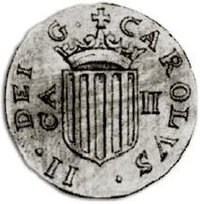
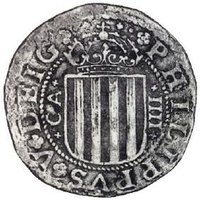
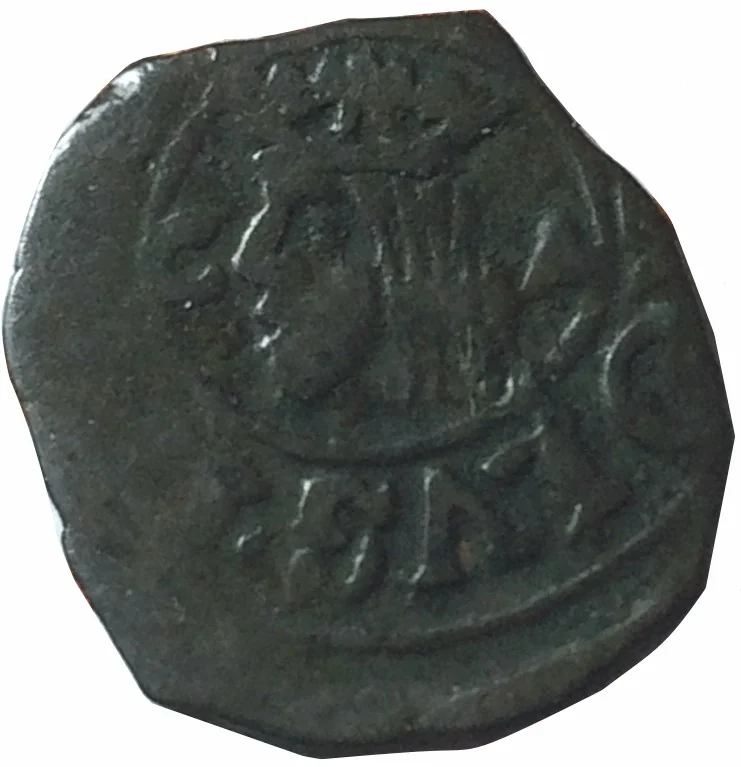
obverse
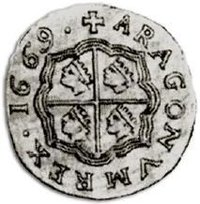
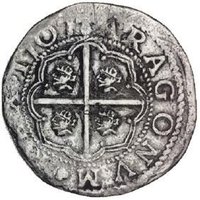
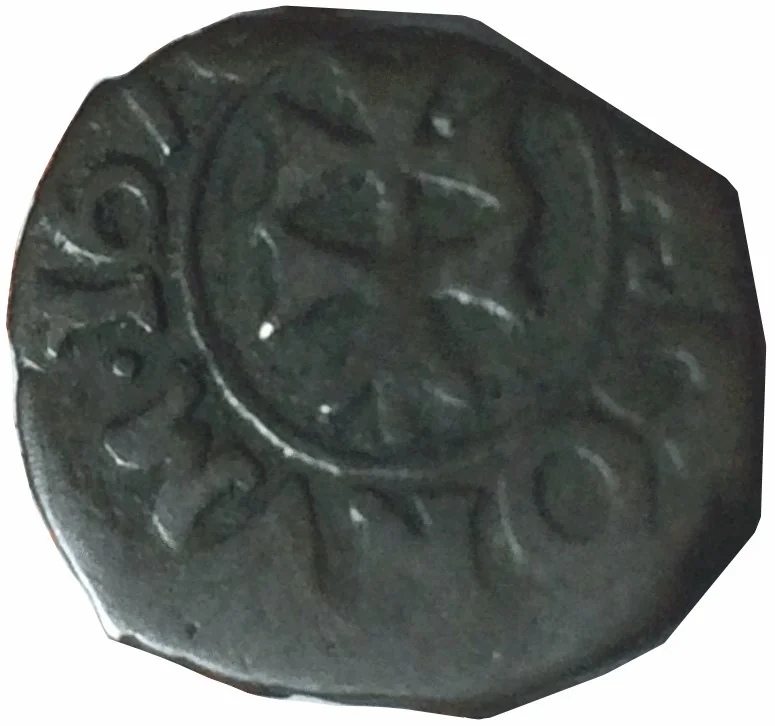
reverse

1 Denier – Kingdom of Aragon

Spain
Context
Years: 1670–1680
Country: Spain Country flag
Ruler: Charles II
Currency:
Demonetized: Yes
Material
Diameter: 14 mm
Weight: 1 g
Composition: Copper
Magnetic: No
Technique: Hammered
References
KM: #Click to copy to clipboard50
Numista: #110785

Obverse

Description:
Carlos II crowned, left-facing bust.
Inscription:
CA KAROLVS·II·REX
Script: Latin

Reverse

Description:
Patriarchal cross in circle, date around.
Inscription:
ARAGONVM
Script: Latin

Edge

Categories

Symbol> Cross

Mints

NameMark
Zaragoza

Mintings

YearMint MarkMintageQualityCollection
1670CA
1671CA
1672CA
1673CA
1674CA
1675CA
1676CA
1677CA
1678CA
1679CA
1680CA

Historical background

In 1670, the Kingdom of Aragon operated within the complex monetary system of the wider Spanish Crown, but retained a distinct and increasingly problematic currency situation. Unlike Castile, which had experienced severe inflation and currency debasement throughout the 17th century, Aragon maintained its own traditional system based on the libra jaquesa (pound of Jaca), divided into sueldos (shillings) and dineros (pence). However, the reality of circulation was a chaotic mix. Alongside these local coins, a vast array of foreign silver and gold currencies—most notably the powerful Spanish real de a ocho (piece of eight) and various Italian, French, and Dutch coins—flowed through its ports and trading hubs, particularly Barcelona, to settle international commerce.

This monetary pluralism created significant challenges for daily economic life. The need for constant exchange between local and foreign coins, each with fluctuating intrinsic metal values, bred confusion and facilitated fraud. Furthermore, the Crown's chronic financial demands, driven by wars and imperial deficits, often led to interventions that destabilized the local economy. While Aragon had historically resisted the severe debasements seen in Castilian vellón (copper) currency, pressure to align with Crown fiscal policies and the sheer volume of inferior foreign copper coins entering the kingdom eroded confidence in the monetary system.

Consequently, by 1670, Aragon's currency landscape was one of formal tradition clashing with practical disorder. The official libra jaquesa provided a unit of account, but actual transactions were dominated by a bewildering variety of metallic coins, undermining price stability and efficient taxation. This situation reflected Aragon’s broader political position: a kingdom with historic fueros (liberties) and its own institutions, yet increasingly strained by the centralizing and financially desperate policies of the Madrid-based Habsburg monarchy, which would culminate in the abolition of its distinct political identity just decades later in the War of the Spanish Succession.
Rare