

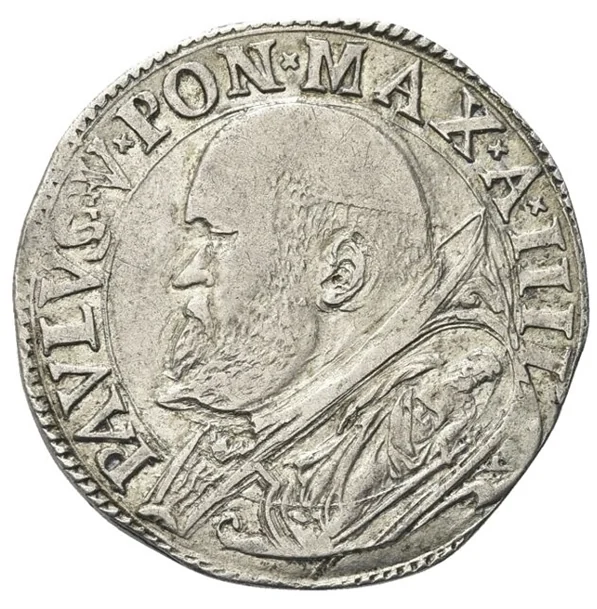
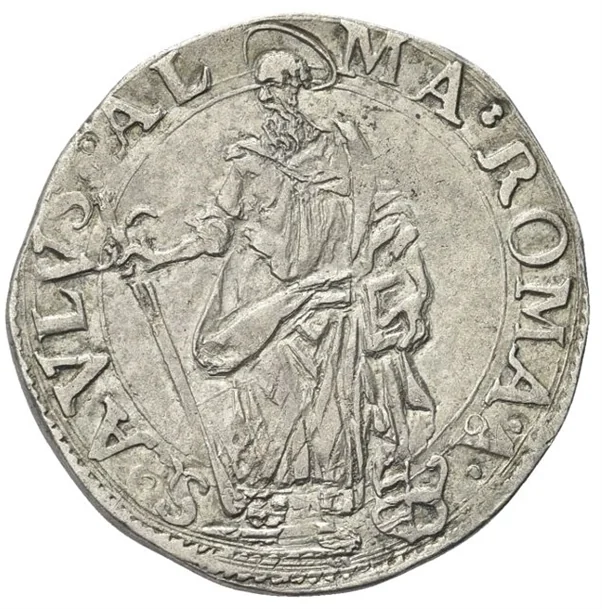
1 Teston – Papal States
Vatican City
Context
Year: 1609
Country: Vatican City 
Issuer: Papal States
Ruler: Paul V
Currency:
(1534—1835)
Demonetized: Yes
Material
References
KM: #Click to copy to clipboard52
Numista: #276280
Value
Bullion value: $25.55
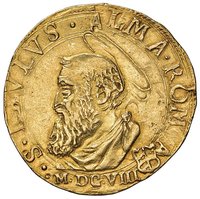
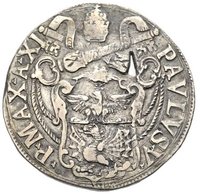
Obverse
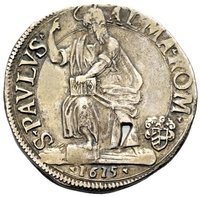
Reverse
Edge
Mints
| Name | Mark |
|---|---|
| Rome | — |
Mintings
| Year | Mint Mark | Mintage | Quality | Collection |
|---|---|---|---|---|
| 1609 | — | — |
Historical background
In 1609, the Papal States operated under a complex and often chaotic monetary system, typical of early modern Italy. There was no single, unified papal currency; instead, a multitude of coins circulated from various Italian and foreign mints. The primary papal silver coin was the giulio (also called the papetto), first issued by Pope Julius II, but its value and silver content had been frequently debased over the preceding century. Alongside it circulated Roman scudi (gold and silver), baiocchi, and foreign coins like Spanish silver reales and gold scudi from other Italian states, creating a marketplace where exchange rates fluctuated based on metal content and perceived trust.
This period fell within the prolonged pontificate of Pope Paul V (1605-1621), a time of significant fiscal strain. The papacy was engaged in expensive projects, including the completion of St. Peter's Basilica and costly legal disputes with Venice, which pressured state finances. While not in a year of acute crisis in 1609 specifically, the underlying tendency was toward monetary manipulation. Authorities often responded to budgetary shortfalls by officially raising the tariff value of existing coins or issuing new coins with reduced precious metal content—a practice known as debasement. This created a persistent gap between the official "imaginary" value of money and its intrinsic market value based on metal weight.
Consequently, daily economic life in the Papal States was burdened by uncertainty and complexity. Merchants and money-changers had to constantly evaluate coins, a process that facilitated fraud and hindered trade. The government attempted control through periodic grida (edicts) that set legal exchange rates, but these were often ignored in practice. Thus, in 1609, the monetary situation was one of fragile stability, underpinned by a system inherently prone to inflation and public mistrust, as the Papacy struggled to align its political ambitions with its economic realities.
This period fell within the prolonged pontificate of Pope Paul V (1605-1621), a time of significant fiscal strain. The papacy was engaged in expensive projects, including the completion of St. Peter's Basilica and costly legal disputes with Venice, which pressured state finances. While not in a year of acute crisis in 1609 specifically, the underlying tendency was toward monetary manipulation. Authorities often responded to budgetary shortfalls by officially raising the tariff value of existing coins or issuing new coins with reduced precious metal content—a practice known as debasement. This created a persistent gap between the official "imaginary" value of money and its intrinsic market value based on metal weight.
Consequently, daily economic life in the Papal States was burdened by uncertainty and complexity. Merchants and money-changers had to constantly evaluate coins, a process that facilitated fraud and hindered trade. The government attempted control through periodic grida (edicts) that set legal exchange rates, but these were often ignored in practice. Thus, in 1609, the monetary situation was one of fragile stability, underpinned by a system inherently prone to inflation and public mistrust, as the Papacy struggled to align its political ambitions with its economic realities.
✨ Legendary