

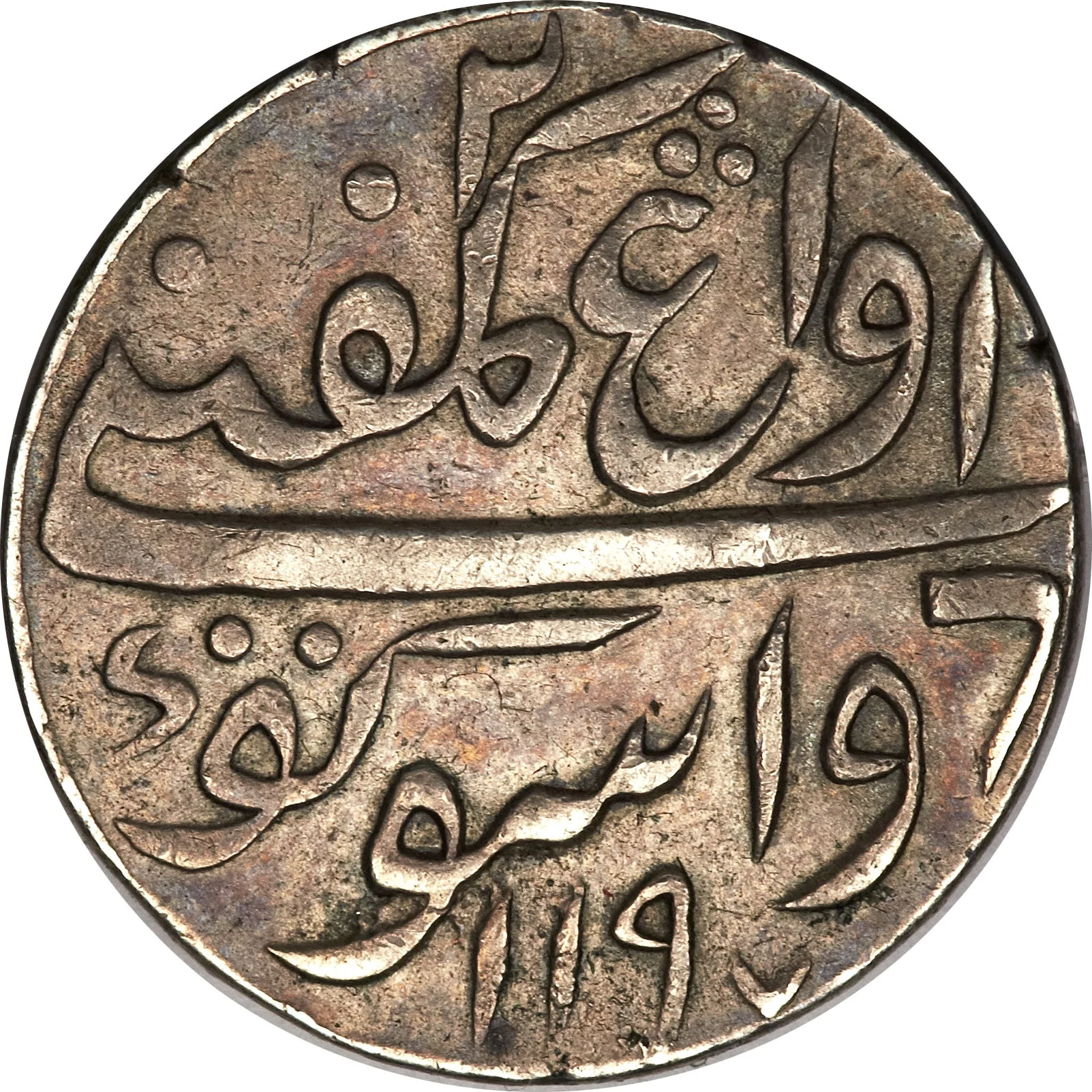
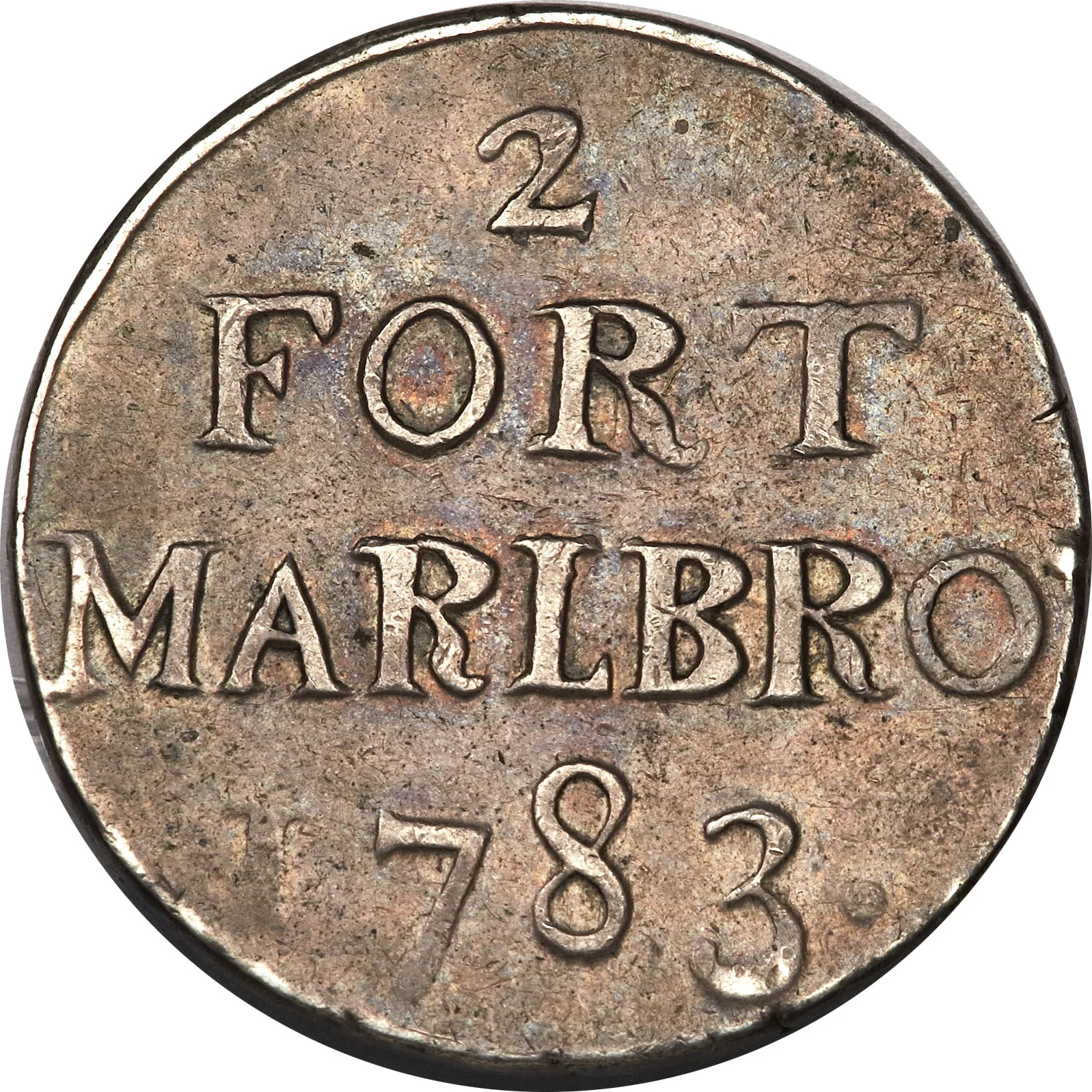
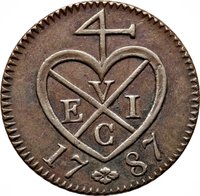
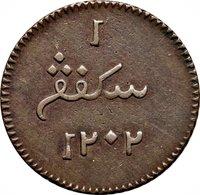
2 suku – Sumatra
Add to wishlist
Context
Years: 1783–1784
Country: British East Indies
Issuer: Sumatra
Currency:
(1783—1824)
Subdivision: 2 suku = ½ Dollar
Demonetized: Yes
Material
References
KM: #
Numista: #27286
Value
Bullion value: $31.69
Mints
| Name | Mark |
|---|---|
| Kolkata / Calcutta / Murshidabad | — |
Mintings
| Year | Mint Mark | Mintage | Quality | Collection |
|---|---|---|---|---|
| 1783 | — | — | ||
| 1784 | — | — |
Historical background
In 1783, the currency situation in Sumatra was complex and fragmented, reflecting the island's political landscape, which was divided among numerous independent sultanates, tribal regions, and European coastal enclaves. The dominant economic power was the Dutch East India Company (VOC), which controlled key ports like Palembang and Padang. However, its authority was often contested by local rulers and rival European traders, particularly the British. There was no single, unified monetary system; instead, trade operated on a multi-currency basis involving commodity money, foreign coinage, and a limited supply of minted currency.
The primary mediums of exchange included Spanish silver dollars (pieces of eight), Dutch duiten and stuivers, and various gold and silver coins from other Asian trading empires. These foreign coins circulated alongside traditional commodity currencies, which were especially important in inland and less commercialized areas. These commodities included gold dust (particularly from the Minangkabau highlands), pepper (a major export), and tin from Bangka and Belitung, which itself was often shaped into rough ingots or tokens for local use. The VOC attempted to impose its own monetary order by setting exchange rates, but the value and acceptance of any currency ultimately depended on local trust and the demands of specific regional trade networks.
This chaotic system created significant challenges for both local and international commerce. Merchants and sultanates faced constant difficulties with currency valuation, counterfeiting, and the fluctuating supply of specie. The VOC, already in financial decline by the 1780s, struggled to maintain sufficient liquidity in its Sumatran factories, often resorting to credit and promissory notes. Consequently, the monetary environment was one of uncertainty and negotiation, underpinning a trade economy that was lucrative yet inherently unstable, setting the stage for the increased European colonial interventions that would follow in the coming decades.
The primary mediums of exchange included Spanish silver dollars (pieces of eight), Dutch duiten and stuivers, and various gold and silver coins from other Asian trading empires. These foreign coins circulated alongside traditional commodity currencies, which were especially important in inland and less commercialized areas. These commodities included gold dust (particularly from the Minangkabau highlands), pepper (a major export), and tin from Bangka and Belitung, which itself was often shaped into rough ingots or tokens for local use. The VOC attempted to impose its own monetary order by setting exchange rates, but the value and acceptance of any currency ultimately depended on local trust and the demands of specific regional trade networks.
This chaotic system created significant challenges for both local and international commerce. Merchants and sultanates faced constant difficulties with currency valuation, counterfeiting, and the fluctuating supply of specie. The VOC, already in financial decline by the 1780s, struggled to maintain sufficient liquidity in its Sumatran factories, often resorting to credit and promissory notes. Consequently, the monetary environment was one of uncertainty and negotiation, underpinning a trade economy that was lucrative yet inherently unstable, setting the stage for the increased European colonial interventions that would follow in the coming decades.
💎 Extremely Rare