

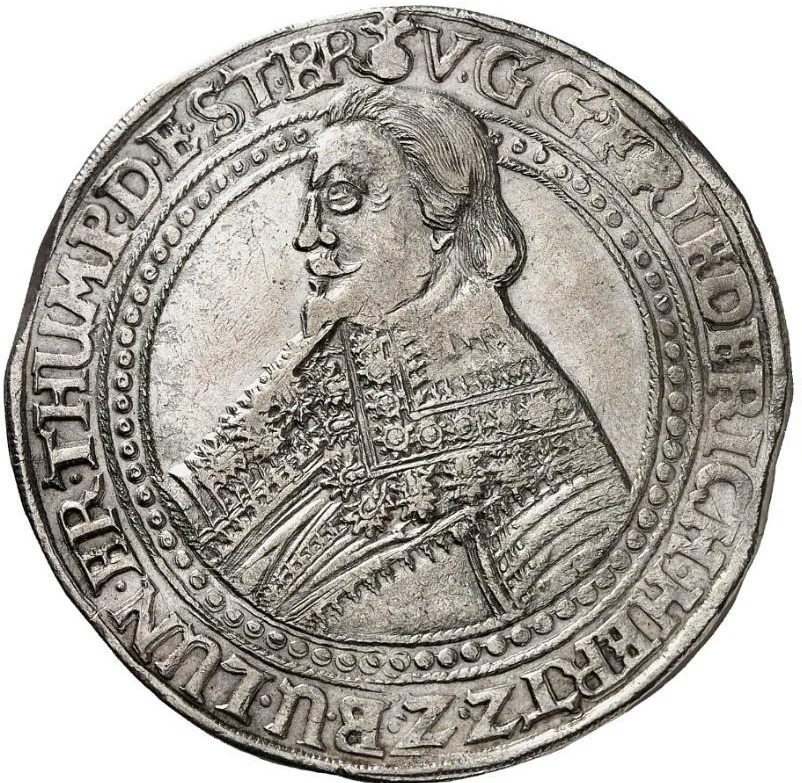
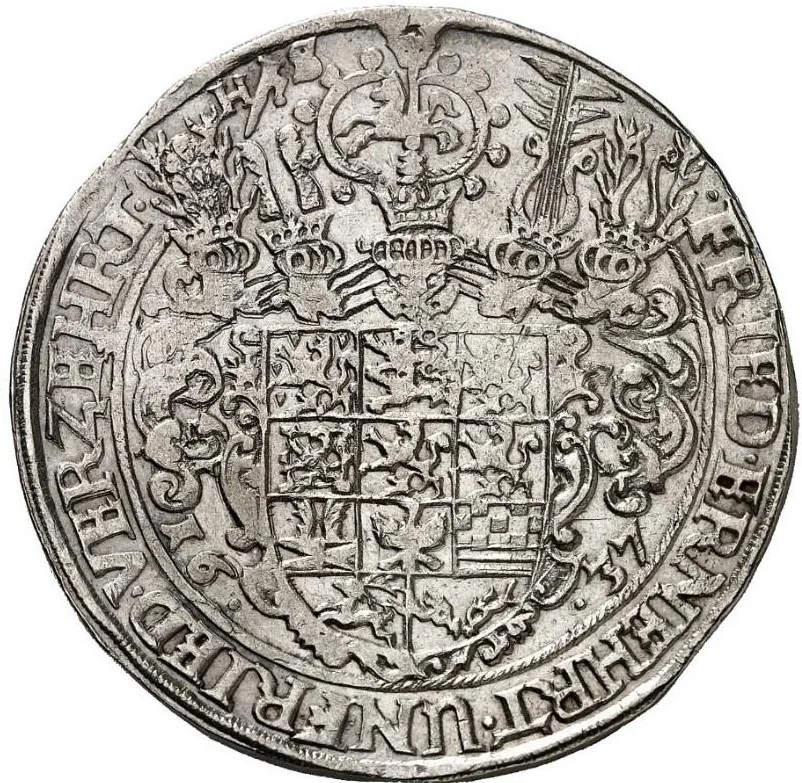
1 Thaler – Brunswick-Lüneburg-Celle
Germany
Context
Year: 1637
Country: Germany 
Issuer: Brunswick-Lüneburg-Celle
Ruler: Frederick IV
Currency:
Demonetized: Yes
Material
References
KM: #Click to copy to clipboard145.2
Numista: #267962
Value
Bullion value: $81.40
Obverse
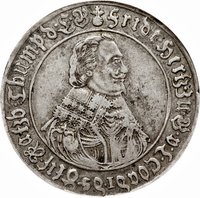
Description:
Bust left encircled.
Inscription:
V G G FRIEDERICH HERTZ Z BU LUN ER THUM P D E ST BR
Script: Latin
Reverse
Edge
Mints
| Name | Mark |
|---|---|
| Clausthal | — |
Mintings
| Year | Mint Mark | Mintage | Quality | Collection |
|---|---|---|---|---|
| 1637 | — | — |
Historical background
In 1637, the Duchy of Brunswick-Lüneburg, specifically the Principality of Lüneburg-Celle under Duke George, was deeply entangled in the economic devastation of the Thirty Years' War. The region was a frequent transit route and battleground for marauding armies, which levied forced contributions, looted resources, and disrupted agriculture and trade. This systemic collapse severely damaged the underlying economy that supported the currency, leading to chronic shortages of goods and a crippling lack of confidence in the monetary system.
The currency situation was characterized by severe inflation and chaotic debasement. To finance war expenses and obligations, the ducal mint in Celle, like many others, engaged in the rampant practice of Kipper- und Wipperzeit tactics, issuing heavily debased coins with reduced silver content. This created a vicious cycle where older, full-value coins were hoarded or melted down (Gresham's Law), while the proliferating poor-quality coins drove prices higher and eroded public trust. The result was a multi-layered monetary chaos with various regional and foreign coins of uncertain value circulating simultaneously.
Duke George attempted reforms, notably with the Reichstaler currency ordinance, which aimed to stabilize the currency by defining coin values against the Imperial standard. However, in the midst of ongoing warfare and with neighboring territories pursuing their own debasement policies, these measures had limited effect. The monetary system remained unstable and unreliable, reflecting the broader struggle of a local authority to maintain economic sovereignty amidst the overwhelming fiscal demands and violence of the continental conflict.
The currency situation was characterized by severe inflation and chaotic debasement. To finance war expenses and obligations, the ducal mint in Celle, like many others, engaged in the rampant practice of Kipper- und Wipperzeit tactics, issuing heavily debased coins with reduced silver content. This created a vicious cycle where older, full-value coins were hoarded or melted down (Gresham's Law), while the proliferating poor-quality coins drove prices higher and eroded public trust. The result was a multi-layered monetary chaos with various regional and foreign coins of uncertain value circulating simultaneously.
Duke George attempted reforms, notably with the Reichstaler currency ordinance, which aimed to stabilize the currency by defining coin values against the Imperial standard. However, in the midst of ongoing warfare and with neighboring territories pursuing their own debasement policies, these measures had limited effect. The monetary system remained unstable and unreliable, reflecting the broader struggle of a local authority to maintain economic sovereignty amidst the overwhelming fiscal demands and violence of the continental conflict.
✨ Legendary