

2 Marks – Aachen
Germany
Context
Years: 1639–1648
Country: Germany 
Issuer: Aachen
Period:
(1166—1798)
Ruler: Ferdinand III
Currency:
(1504—1798)
Demonetized: Yes
Material
References
KM: #Click to copy to clipboard19
Numista: #267402
Obverse
Description:
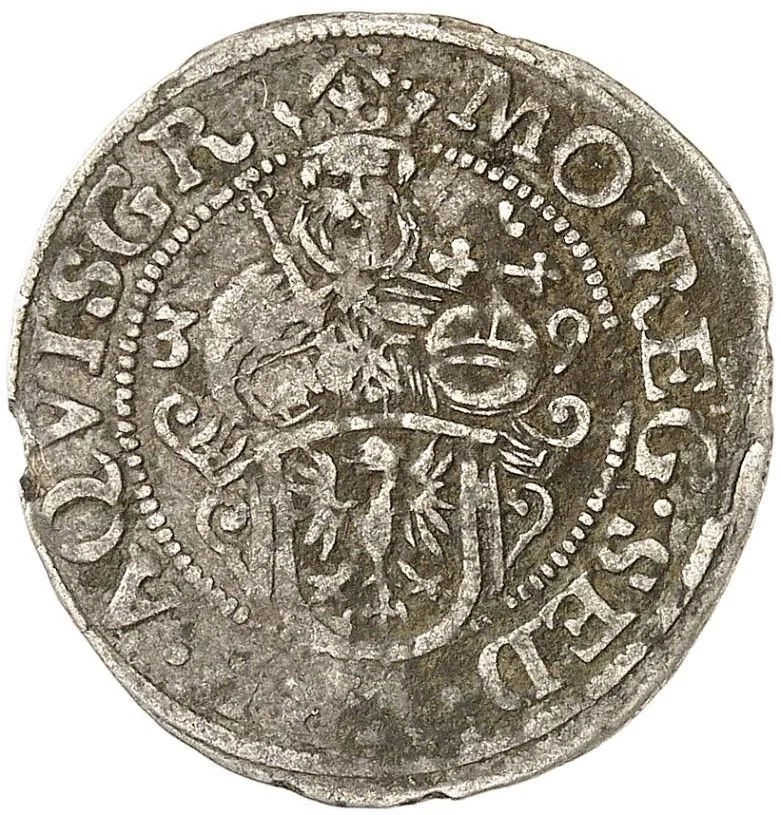
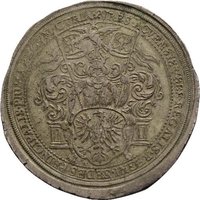
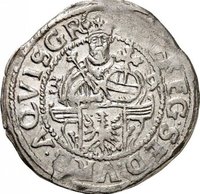
Charlemagne half-figure above arms
Inscription:
MO. REGIÆ. SEDIS. VRBIS. AQVISGRANI
3 9
3 9
Script: Latin
Reverse
Description:
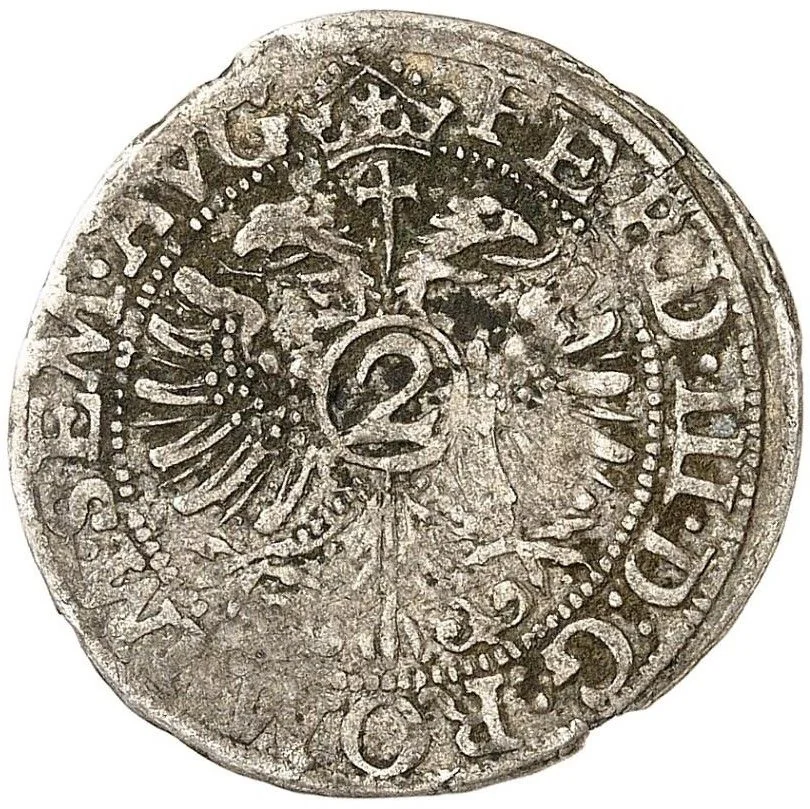
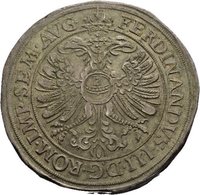
Imperial eagle, crowned, with orb and Ferdinand III's titles.
Inscription:
FERDIN III D G ROM IMP SEM AVG
2 (ou Z)
2 (ou Z)
Script: Latin
Edge
Mintings
| Year | Mint Mark | Mintage | Quality | Collection |
|---|---|---|---|---|
| 1639 | — | — | ||
| 1646 | — | — | ||
| — | — | — |
Historical background
In 1639, the Free Imperial City of Aachen, like much of the Holy Roman Empire, was grappling with severe monetary instability exacerbated by the ongoing Thirty Years' War. The city's official currency was based on the Reichsthaler, a silver coin mandated by imperial ordinances. However, the practical reality was a chaotic mix of circulating coins from various German states, neighboring countries like the Spanish Netherlands, and even debased local imitations. This proliferation of currencies of differing intrinsic values made trade cumbersome and fostered widespread distrust in everyday transactions.
The primary driver of this monetary crisis was the war itself. The constant passage and occupation of military forces, whether Spanish, Imperial, or French, led to massive financial exactions. To meet these demands, Aachen's city council, as well as surrounding authorities, frequently resorted to Kipper- und Wipperzeit practices—clipping, debasing, and issuing lightweight coins to stretch precious metal reserves. This deliberate devaluation created a vicious cycle: good silver coins were hoarded or melted down (Gresham's Law), leaving only poorer money in active circulation, which in turn drove prices higher and eroded public confidence.
Despite these immense pressures, Aachen’s city council attempted to maintain order through repeated Münzmandate (currency decrees). These ordinances sought to fix exchange rates between the myriad coins, prohibit the circulation of particularly debased pieces, and threaten severe penalties for currency manipulation. However, in the war-torn landscape of 1639, the city’s authority to enforce these rules was limited. The monetary situation remained fundamentally unstable, reflecting the broader collapse of imperial economic governance and acting as a persistent hindrance to the city's once-thriving commerce and artisan economy.
The primary driver of this monetary crisis was the war itself. The constant passage and occupation of military forces, whether Spanish, Imperial, or French, led to massive financial exactions. To meet these demands, Aachen's city council, as well as surrounding authorities, frequently resorted to Kipper- und Wipperzeit practices—clipping, debasing, and issuing lightweight coins to stretch precious metal reserves. This deliberate devaluation created a vicious cycle: good silver coins were hoarded or melted down (Gresham's Law), leaving only poorer money in active circulation, which in turn drove prices higher and eroded public confidence.
Despite these immense pressures, Aachen’s city council attempted to maintain order through repeated Münzmandate (currency decrees). These ordinances sought to fix exchange rates between the myriad coins, prohibit the circulation of particularly debased pieces, and threaten severe penalties for currency manipulation. However, in the war-torn landscape of 1639, the city’s authority to enforce these rules was limited. The monetary situation remained fundamentally unstable, reflecting the broader collapse of imperial economic governance and acting as a persistent hindrance to the city's once-thriving commerce and artisan economy.
✨ Legendary