

4 Escudos – Spain
Spain

Material
Diameter: 28 mm
Weight: 13 g
Gold weight: 11.92 g
Thickness: 1 mm
Shape: Irregular round
Composition: 91.7% Gold
Magnetic: No
Technique: Hammered
References
KM: #Click to copy to clipboard1
Numista: #110666
Value
Bullion value: $1986.33
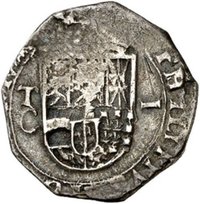
Obverse
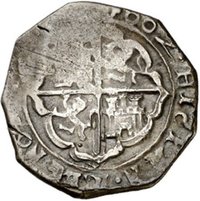
Reverse
Edge
Mints
| Name | Mark |
|---|---|
| Barcelona Mint / La Seca | — |
Mintings
| Year | Mint Mark | Mintage | Quality | Collection |
|---|---|---|---|---|
| 1589 | — | — | ||
| 1597 | — | — |
Historical background
In 1589, Spain's currency situation was one of profound crisis, a direct consequence of the relentless fiscal demands of Habsburg global hegemony. King Philip II was engaged in simultaneous, colossal expenditures: the ongoing struggle to suppress the Dutch Revolt, the monumental Armada campaign against England the previous year (a catastrophic financial and naval loss), and the constant defence of Mediterranean and transatlantic trade routes. The crown's response for decades had been to meet these shortfalls through asientos (high-interest loans from foreign bankers) and, most damagingly, by repeatedly debasing the silver coinage. This practice, which involved reducing the silver content in coins like the ubiquitous real while maintaining their face value, created a vicious cycle of inflation, eroded public trust, and drove older, purer coins out of circulation—a manifestation of Gresham's Law.
The primary circulating coins were the silver real and its multiples, particularly the 8 reales (the famous "piece of eight"), which served as a key international trade currency. However, their value was increasingly unstable. The crown had resorted to issuing massive quantities of vellón—a nearly valueless copper alloy coinage—to finance its debts, effectively creating a fiduciary currency forced upon the public. This flood of cheap money, combined with the influx of New World silver whose purchasing power was diminishing, fueled rampant price inflation across the economy. The situation was so severe that it triggered widespread popular unrest and riots in cities like Toledo and Cuenca, as the wages of ordinary people and soldiers failed to keep pace with soaring costs for basic goods.
Ultimately, the monetary chaos of 1589 was a glaring symptom of the "Spanish Paradox": the first global empire, flooded with American treasure, was effectively bankrupt. The state's financial machinery was geared almost exclusively towards funding military and political ambitions rather than productive domestic investment. While attempts at reform were discussed, including the proposed introduction of a pure copper vellón currency in 1588, these measures were largely reactive and failed to address the structural issues. Thus, the currency situation remained a critical vulnerability, undermining Spain's economic foundations even as its political power appeared, on the surface, to be at its zenith.
The primary circulating coins were the silver real and its multiples, particularly the 8 reales (the famous "piece of eight"), which served as a key international trade currency. However, their value was increasingly unstable. The crown had resorted to issuing massive quantities of vellón—a nearly valueless copper alloy coinage—to finance its debts, effectively creating a fiduciary currency forced upon the public. This flood of cheap money, combined with the influx of New World silver whose purchasing power was diminishing, fueled rampant price inflation across the economy. The situation was so severe that it triggered widespread popular unrest and riots in cities like Toledo and Cuenca, as the wages of ordinary people and soldiers failed to keep pace with soaring costs for basic goods.
Ultimately, the monetary chaos of 1589 was a glaring symptom of the "Spanish Paradox": the first global empire, flooded with American treasure, was effectively bankrupt. The state's financial machinery was geared almost exclusively towards funding military and political ambitions rather than productive domestic investment. While attempts at reform were discussed, including the proposed introduction of a pure copper vellón currency in 1588, these measures were largely reactive and failed to address the structural issues. Thus, the currency situation remained a critical vulnerability, undermining Spain's economic foundations even as its political power appeared, on the surface, to be at its zenith.
✨ Legendary