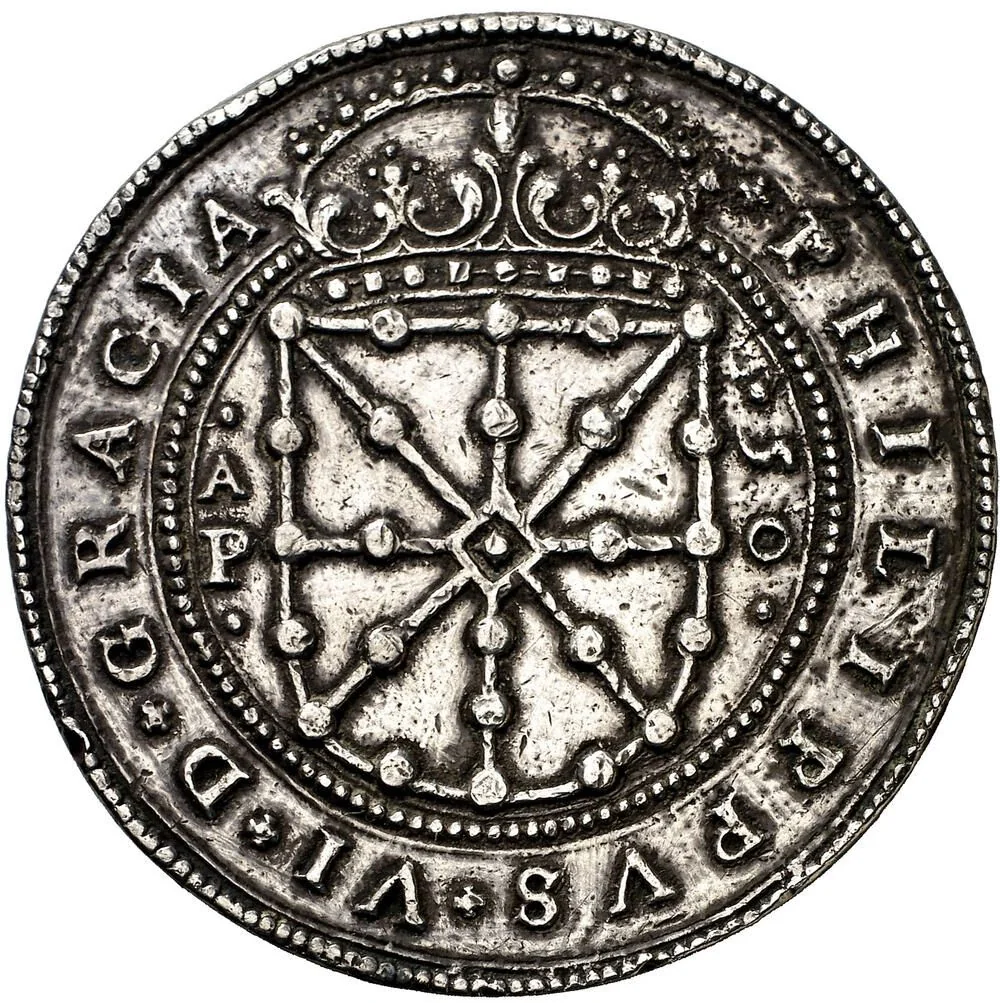
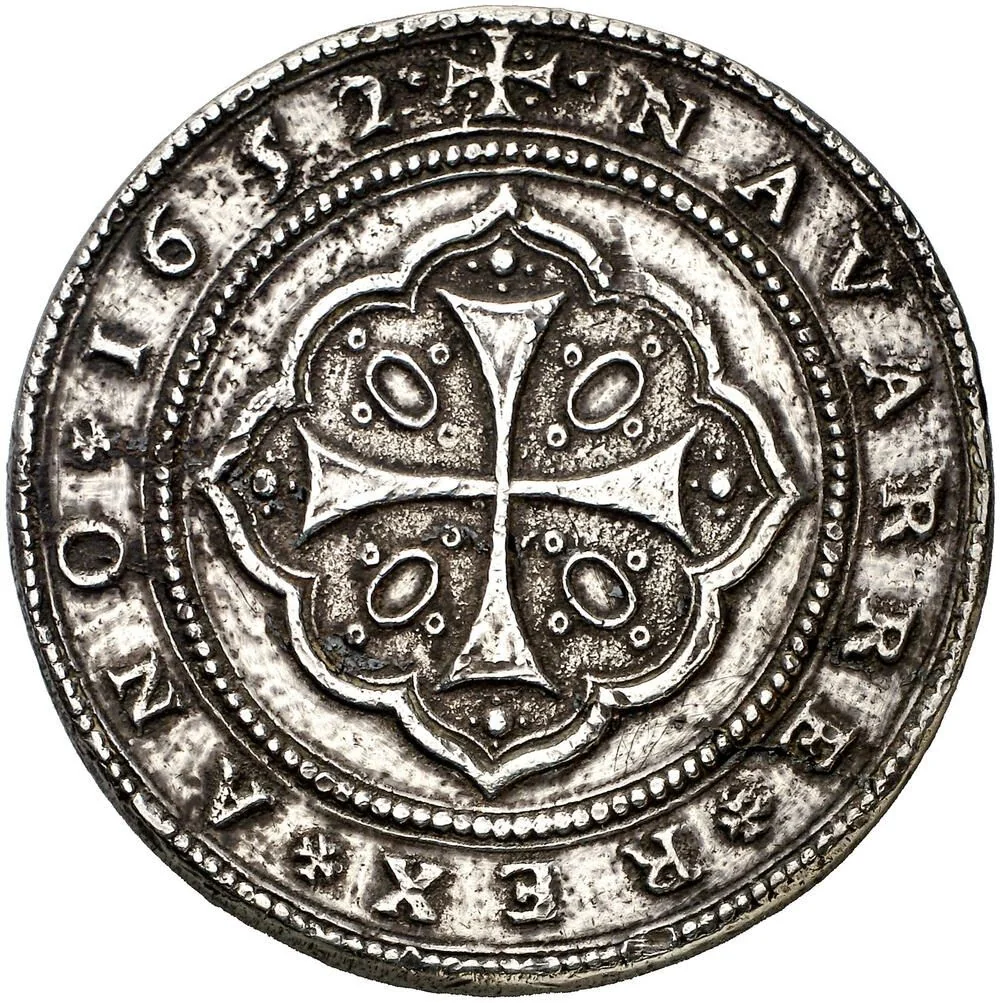
In 1652, the Kingdom of Navarre, a realm in personal union with the French crown since 1589, was deeply entangled in the financial and political turmoil of the
Fronde, a series of civil wars in France. The rebellion, which challenged the authority of the young King Louis XIV and his regent, Cardinal Mazarin, caused widespread economic disruption. For Navarre, this meant severe strains on its fiscal system, as royal demands for war funds clashed with local privileges (
fueros) that traditionally granted the kingdom significant autonomy over taxation and coinage. The royal treasury, desperate for resources, increasingly resorted to currency manipulation, a practice that destabilized the entire monetary landscape.
The specific currency situation was one of
acute debasement and inflation. To finance military campaigns against the Frondeurs, the Crown engaged in repeated devaluations of the French livre, the currency also used in Navarre. Officials would recall coins, reduce their precious metal content, and reissue them at the same face value, effectively creating more money to pay debts but destroying public trust. This led to a rapid erosion of purchasing power, price volatility, and the hoarding of older, purer coins (Gresham's Law in action), which crippled everyday commerce. The
Cortes (parliament) of Navarre and its local institutions would have fiercely protested these measures as violations of their
fueros, which included rights over monetary policy.
Consequently, the year 1652 represents a point of
deep tension between central royal authority and Navarrese autonomy. While the military phase of the Fronde was ending in Paris, the economic aftermath continued to plague the kingdom. The currency debasement was not just a financial crisis but a political one, undermining the contractual relationship between the French monarchy and the Pyrenean kingdom. This period exacerbated longstanding grievances about Madrid's influence (given Navarre's geographic position) and Paris's fiscal demands, setting a precedent for future conflicts over Navarre's unique rights and economic stability within the burgeoning absolutist state of France.