

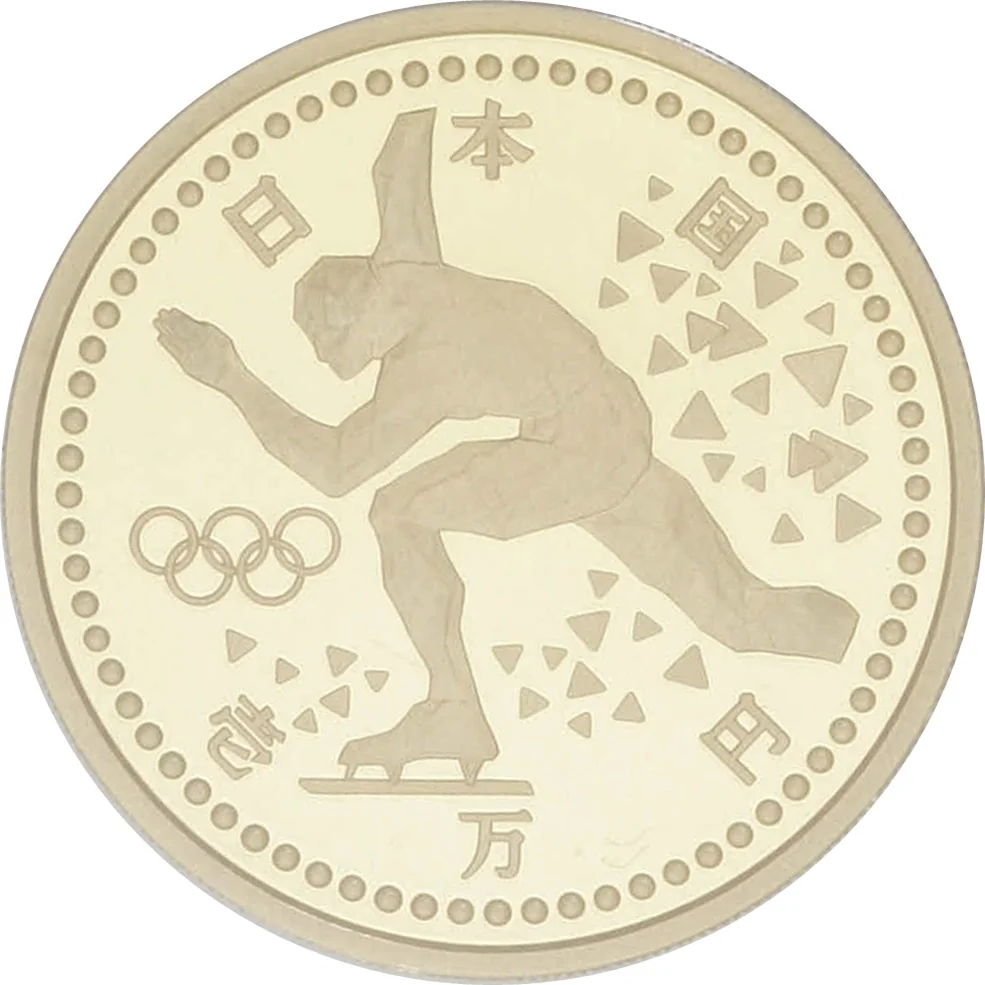
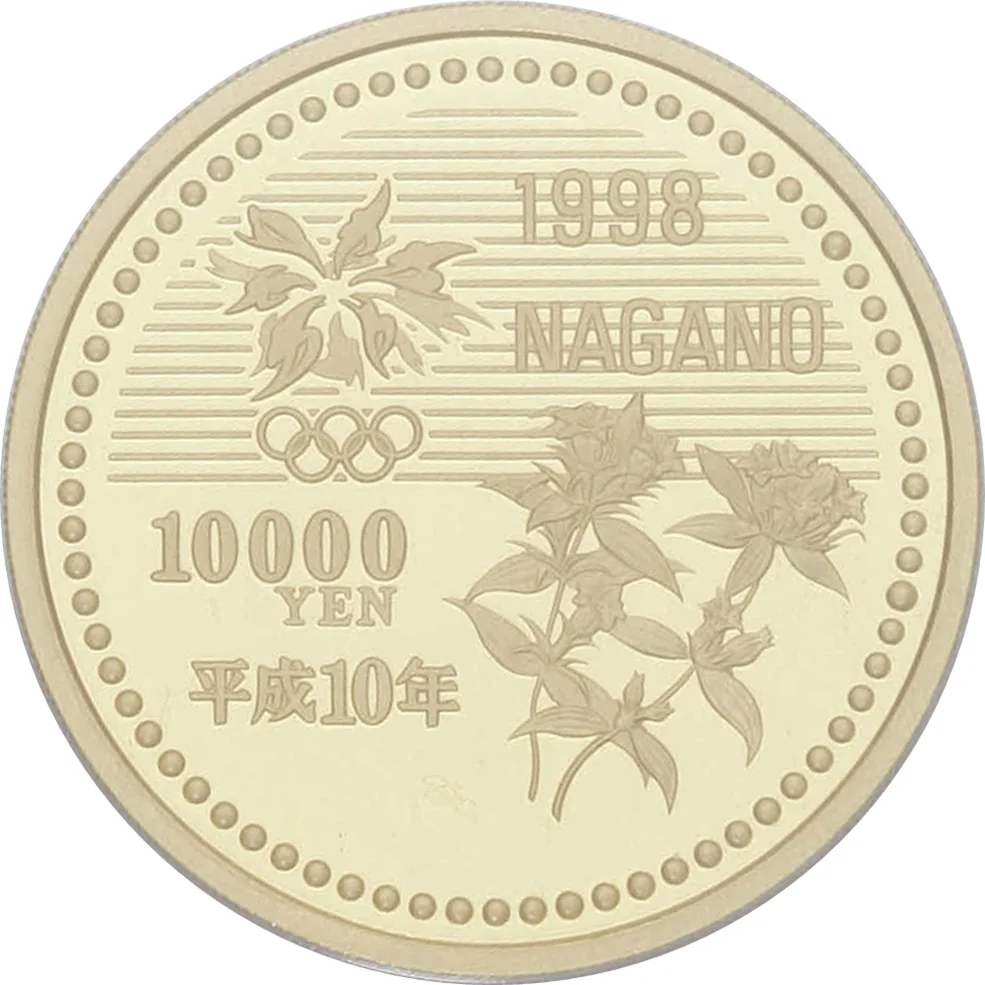
10000 yen – Japan
Add to wishlist
Non-circulating coins
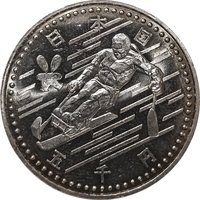
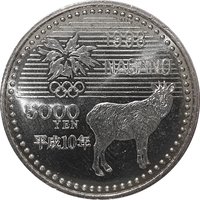
Commemoration: 1998 Nagano Winter Olympics
Japan
Context
Year: 1998
Japanese - Heisei era Year:: 10
Issuer: Japan
Ruler: Heisei
Currency:
(since 1871)
Total mintage: 55,000
Material
Diameter: 26 mm
Weight: 15.6 g
Gold Weight:: 15.58 g
Shape: Round
Composition: 99.9% Gold
Standard: Silver half ounce
Magnetic: No
Technique: Milled
Alignment: Medal alignment
flip
References
Y: #
Numista: #84835
Value
Exchange value: 10000 JPY
Bullion value: $2403.94
Inflation-adjusted value: 11135.80 JPY
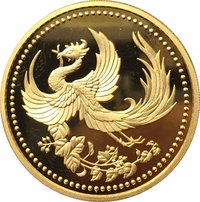
Obverse
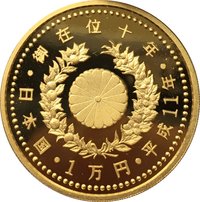
Reverse
Edge
Reeded
Categories
| Sport> Winter Olympic Games |
Mintings
| Year | Mint Mark | Mintage | Quality | Collection |
|---|---|---|---|---|
| 1998 | — | 55,000 | Proof |
Historical background
In 1998, Japan was mired in a severe financial and economic crisis, often termed the "Lost Decade," with its currency situation deeply intertwined with domestic banking failures and regional turmoil. The year was marked by the collapse of several major financial institutions, most notably the failure of Long-Term Credit Bank of Japan and Nippon Credit Bank, which were nationalized. This systemic banking crisis, fueled by mountains of non-performing loans from the asset price bubble's collapse in the early 1990s, created intense deflationary pressures and a severe credit crunch. Against this bleak domestic backdrop, the yen faced significant volatility, heavily influenced by external shocks, particularly the Asian Financial Crisis that had erupted in mid-1997.
The yen's value in 1998 experienced dramatic swings, driven by a global "flight to safety" and direct currency intervention. In the spring, the yen appreciated sharply, breaching the 115 yen per USD mark by April and reaching a peak of nearly 128 in August. This surge was largely due to the unwinding of the "yen carry trade," where international investors, spooked by the Russian debt default and the near-collapse of the U.S. hedge fund Long-Term Capital Management, rapidly bought back borrowed yen to cover losses elsewhere. A strong yen threatened to further cripple Japan's export-dependent economy, prompting unprecedented coordinated intervention. In June, the U.S. Federal Reserve joined the Bank of Japan in selling yen for dollars, marking the first U.S. intervention in the yen market since 1995.
By the autumn, the focus shifted from curbing a strong yen to preventing a destabilizing collapse, as the yen plummeted to around 147 against the dollar by October. This weakness reflected a profound loss of confidence in Japan's financial system and economy, compounded by fears that a drastically weaker yen could trigger a new round of competitive devaluations across a fragile Asia. The government's response culminated in a massive ¥60 trillion fiscal stimulus package in November and the establishment of a ¥25 trillion fund to recapitalize banks. These measures, alongside a global stabilization, helped the yen recover to the 115-120 range by year's end, but the underlying deflationary and structural problems persisted, defining the currency's vulnerability for years to come.
The yen's value in 1998 experienced dramatic swings, driven by a global "flight to safety" and direct currency intervention. In the spring, the yen appreciated sharply, breaching the 115 yen per USD mark by April and reaching a peak of nearly 128 in August. This surge was largely due to the unwinding of the "yen carry trade," where international investors, spooked by the Russian debt default and the near-collapse of the U.S. hedge fund Long-Term Capital Management, rapidly bought back borrowed yen to cover losses elsewhere. A strong yen threatened to further cripple Japan's export-dependent economy, prompting unprecedented coordinated intervention. In June, the U.S. Federal Reserve joined the Bank of Japan in selling yen for dollars, marking the first U.S. intervention in the yen market since 1995.
By the autumn, the focus shifted from curbing a strong yen to preventing a destabilizing collapse, as the yen plummeted to around 147 against the dollar by October. This weakness reflected a profound loss of confidence in Japan's financial system and economy, compounded by fears that a drastically weaker yen could trigger a new round of competitive devaluations across a fragile Asia. The government's response culminated in a massive ¥60 trillion fiscal stimulus package in November and the establishment of a ¥25 trillion fund to recapitalize banks. These measures, alongside a global stabilization, helped the yen recover to the 115-120 range by year's end, but the underlying deflationary and structural problems persisted, defining the currency's vulnerability for years to come.
✨ Legendary