

1000 yen (Modern Currency System) – Japan
Add to wishlist
Non-circulating coins
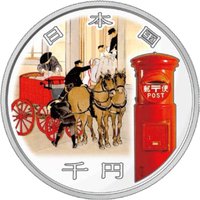
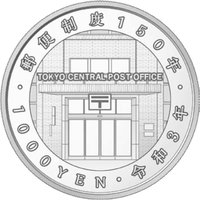
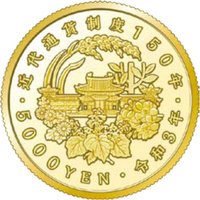
Commemoration: 150th Anniversary of Modern Currency System
Japan
Context
Year: 2021
Japanese - Reiwa era Year:: 3
Issuer: Japan
Ruler: Reiwa
Currency:
(since 1871)
Total mintage: 50,000
Material
Diameter: 40 mm
Weight: 31.1 g
Silver Weight:: 31.07 g
Shape: Round
Composition: 99.9% Silver
Standard: Silver ounce
Magnetic: No
Technique: Milled
Alignment: Medal alignment
flip
References
Y: #
Numista: #284175
Value
Exchange value: 1000 JPY
Bullion value: $75.61
Inflation-adjusted value: 1087.64 JPY
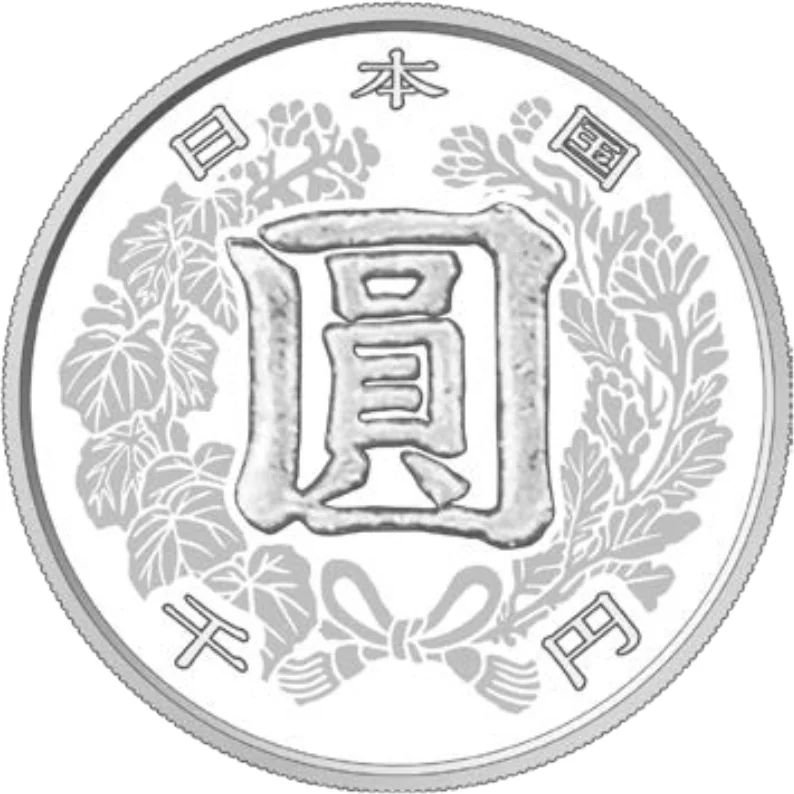
Obverse
Description:
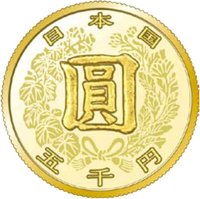
圓 with chrysanthemum and paulownia wreath.
Inscription:
日 本 国
圓
千 円
圓
千 円
Translation:
Japan
Yen
One Thousand Yen
Yen
One Thousand Yen
Language: Japanese
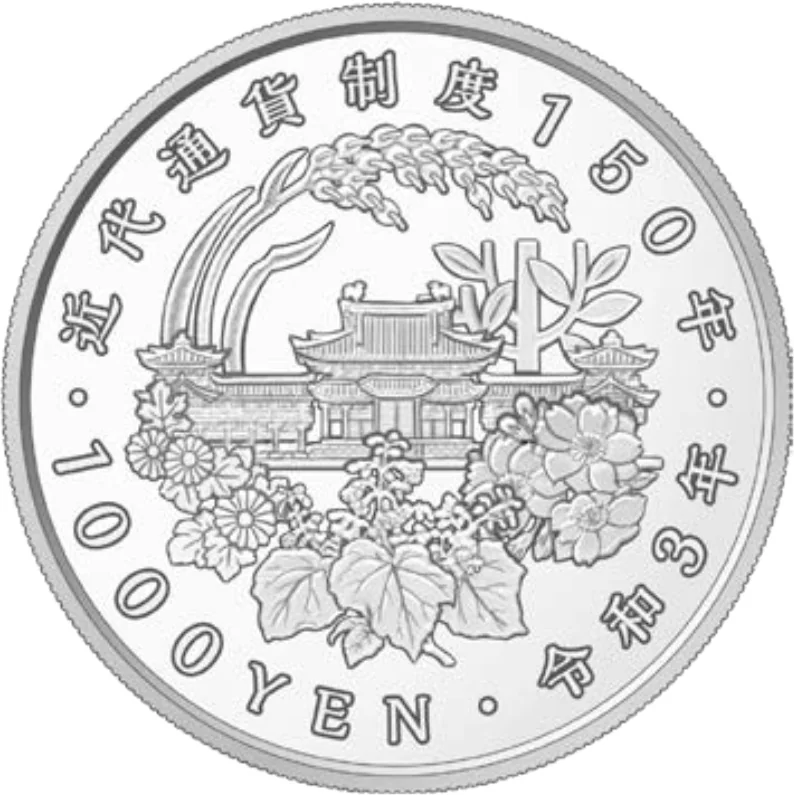
Reverse
Edge
Slanted reeding
Categories
| Building> Religious building |
| Plants> Flower |
Mints
| Name | Mark |
|---|---|
| Japan Mint | — |
Mintings
| Year | Mint Mark | Mintage | Quality | Collection |
|---|---|---|---|---|
| 2021 | — | 50,000 | Proof |
Historical background
In 2021, Japan's currency situation was characterized by a persistent and politically challenging trend of yen weakness against the U.S. dollar, driven by a stark divergence in monetary policy. While the U.S. Federal Reserve signaled a shift towards tightening in response to rising inflation, the Bank of Japan (BOJ) maintained its ultra-loose monetary stance, including negative short-term interest rates and yield curve control. This policy gap widened the interest rate differential between the two nations, making the dollar more attractive to investors and pushing the yen to multi-year lows, briefly breaching the ¥114 to the dollar mark by year's end.
This depreciation presented a complex economic picture for Japan. On one hand, it boosted the profitability of major exporters like automotive and electronics firms by increasing the yen value of their overseas earnings. On the other hand, it significantly raised the cost of essential imports, particularly energy and food, which are priced in dollars. This imported inflation squeezed household budgets and corporate margins for non-exporting sectors, creating a headache for policymakers as core consumer price inflation remained stubbornly below the BOJ's 2% target for most of the year, despite the rising costs.
Consequently, the Japanese government and the BOJ found themselves in a delicate balancing act. Officials frequently expressed concern over the rapid pace of yen declines but refrained from direct intervention in the currency markets, a tool last used in 2011. The BOJ, under Governor Haruhiko Kuroda, consistently reaffirmed its commitment to powerful monetary easing to support a fragile economic recovery from the COVID-19 pandemic, prioritizing domestic growth over currency strength. Thus, 2021 ended with the yen's weakness entrenched as a byproduct of Japan's steadfastly accommodative policy in a world beginning to shift toward normalization.
This depreciation presented a complex economic picture for Japan. On one hand, it boosted the profitability of major exporters like automotive and electronics firms by increasing the yen value of their overseas earnings. On the other hand, it significantly raised the cost of essential imports, particularly energy and food, which are priced in dollars. This imported inflation squeezed household budgets and corporate margins for non-exporting sectors, creating a headache for policymakers as core consumer price inflation remained stubbornly below the BOJ's 2% target for most of the year, despite the rising costs.
Consequently, the Japanese government and the BOJ found themselves in a delicate balancing act. Officials frequently expressed concern over the rapid pace of yen declines but refrained from direct intervention in the currency markets, a tool last used in 2011. The BOJ, under Governor Haruhiko Kuroda, consistently reaffirmed its commitment to powerful monetary easing to support a fragile economic recovery from the COVID-19 pandemic, prioritizing domestic growth over currency strength. Thus, 2021 ended with the yen's weakness entrenched as a byproduct of Japan's steadfastly accommodative policy in a world beginning to shift toward normalization.
💎 Extremely Rare